Tokyo never stands still: change is constant, with entire districts reshaped year after year with remarkably minimal disruption to daily life. Nowhere is this more dramatic at the moment than Shibuya, home to the world-famous scramble crossing. Beneath and above this iconic intersection, massive redevelopment is underway – a number of projects with a combined budget of around $4 billion – scheduled for completion by 2031.
Just a stone’s throw from the crossing, Miyashita Park has been reborn as a four-storey commercial complex home to local and international fashion brands, cultural events and much more. The area pulses with youthful energy and exemplifies the large-scale redevelopment that reshaped central Tokyo leading up to the 2020 Olympics, with all its ups and downsides. Indeed, across the capital, key hubs have been redefined by towering complexes that seem to appeal to both domestic and international arrivals (inbound tourism to Japan hit a record 3.4 million visitors in August 2025 alone), even as it prompts questions about what Tokyo gains by such growth – and what it could be losing.
A happy medium may lie in Yanaka, a small neighbourhood in the Taito ward just northeast of central Tokyo. Here, the faint scent of roasted soy sauce might lead you to a traditional Japanese rice-cracker shop, and when you ask for directions, a local may just walk you there herself. But Yanaka isn’t simply a pocket of naïve nostalgia – it’s a neighbourhood on a quiet but concerted mission.
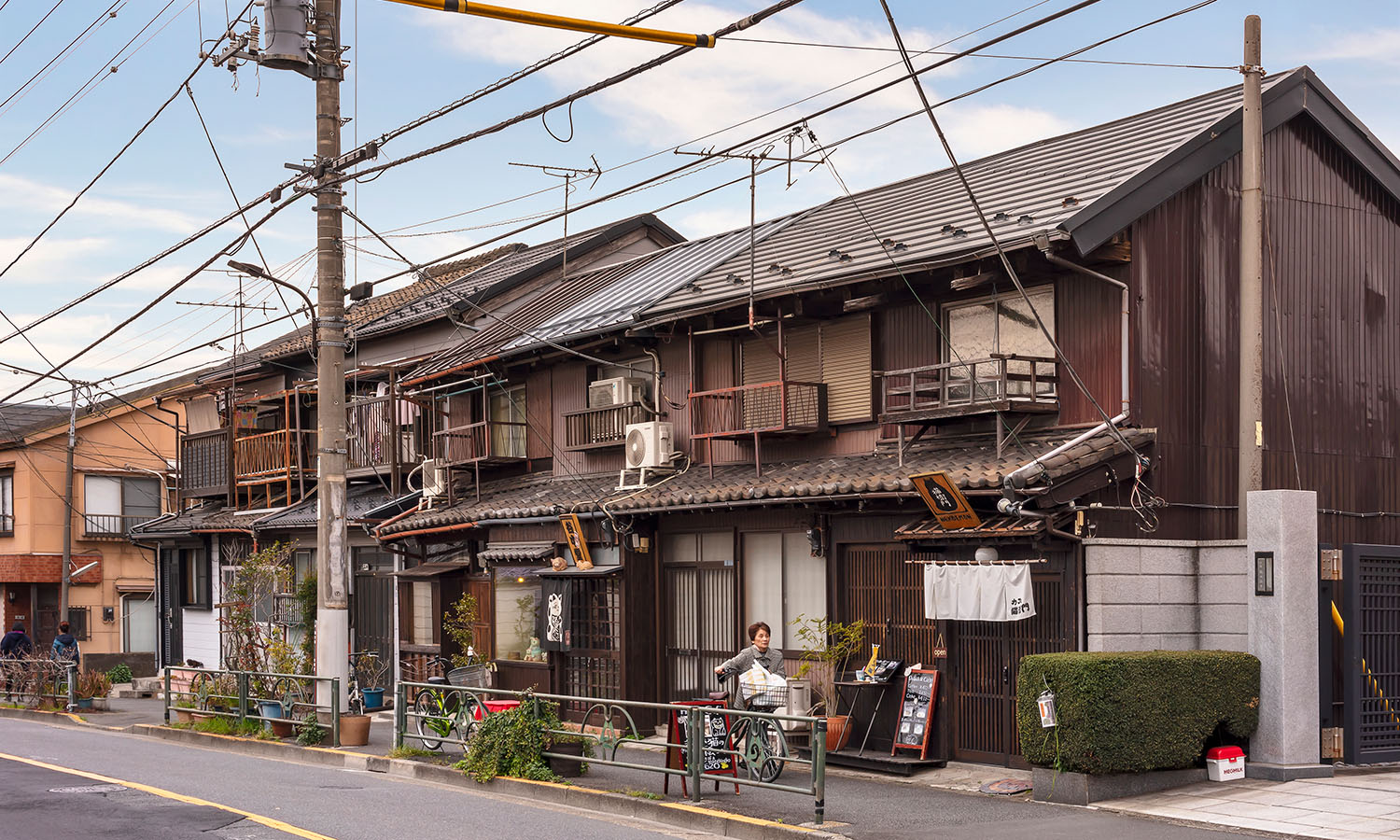
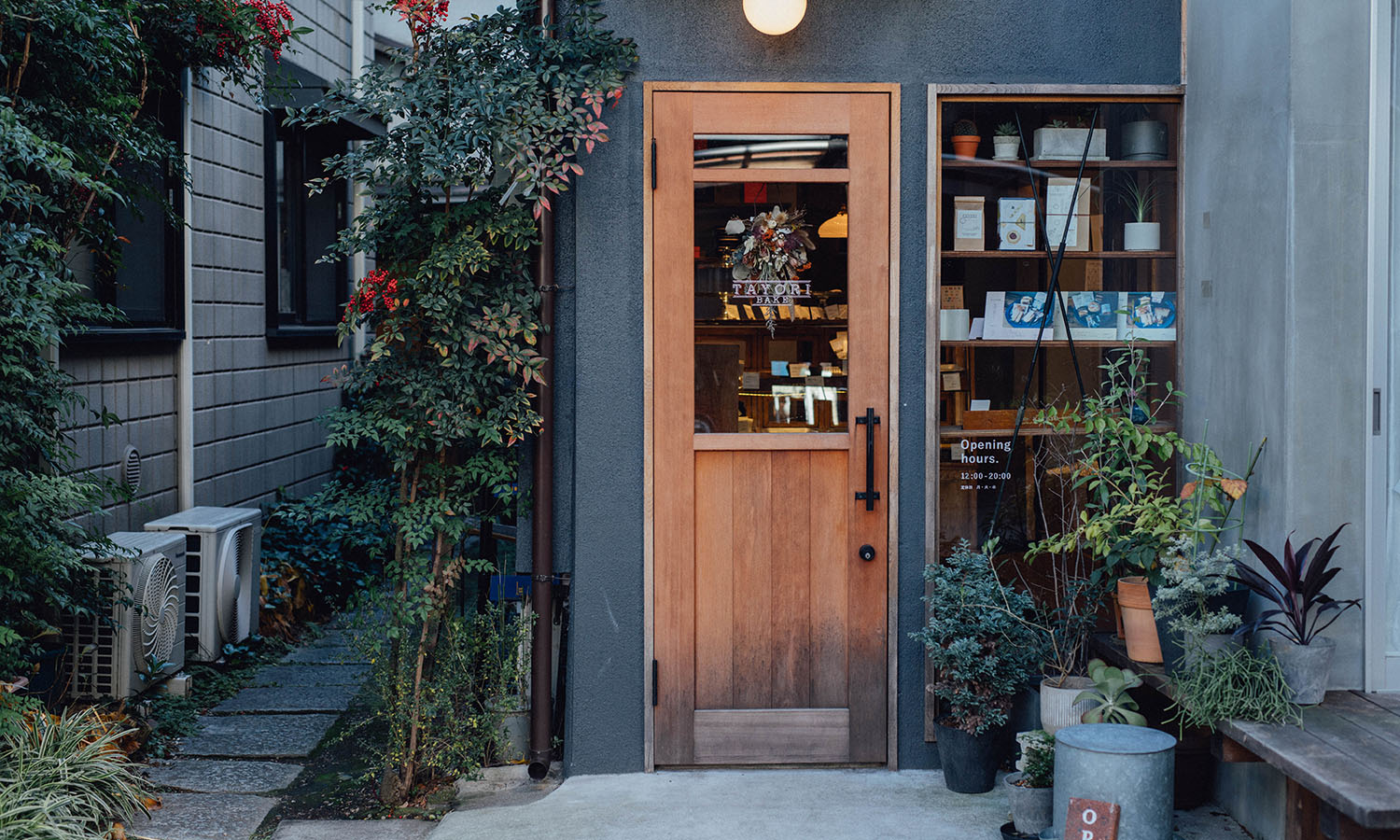
“We’ve kept everything that could be kept – exactly as it was,” a friendly staff member at the Tayori cafe says, smiling as she gestures to the old wooden sign by the cafe’s façade. Written in traditional sumi ink, the sign reads “Dance Studio”, a nod to the establishment’s past as a space for practising nihon-buyō, the classical Japanese art of dance. That past is still very much present: the wide windows, sliding panels and polished wooden floors are all lovingly preserved.
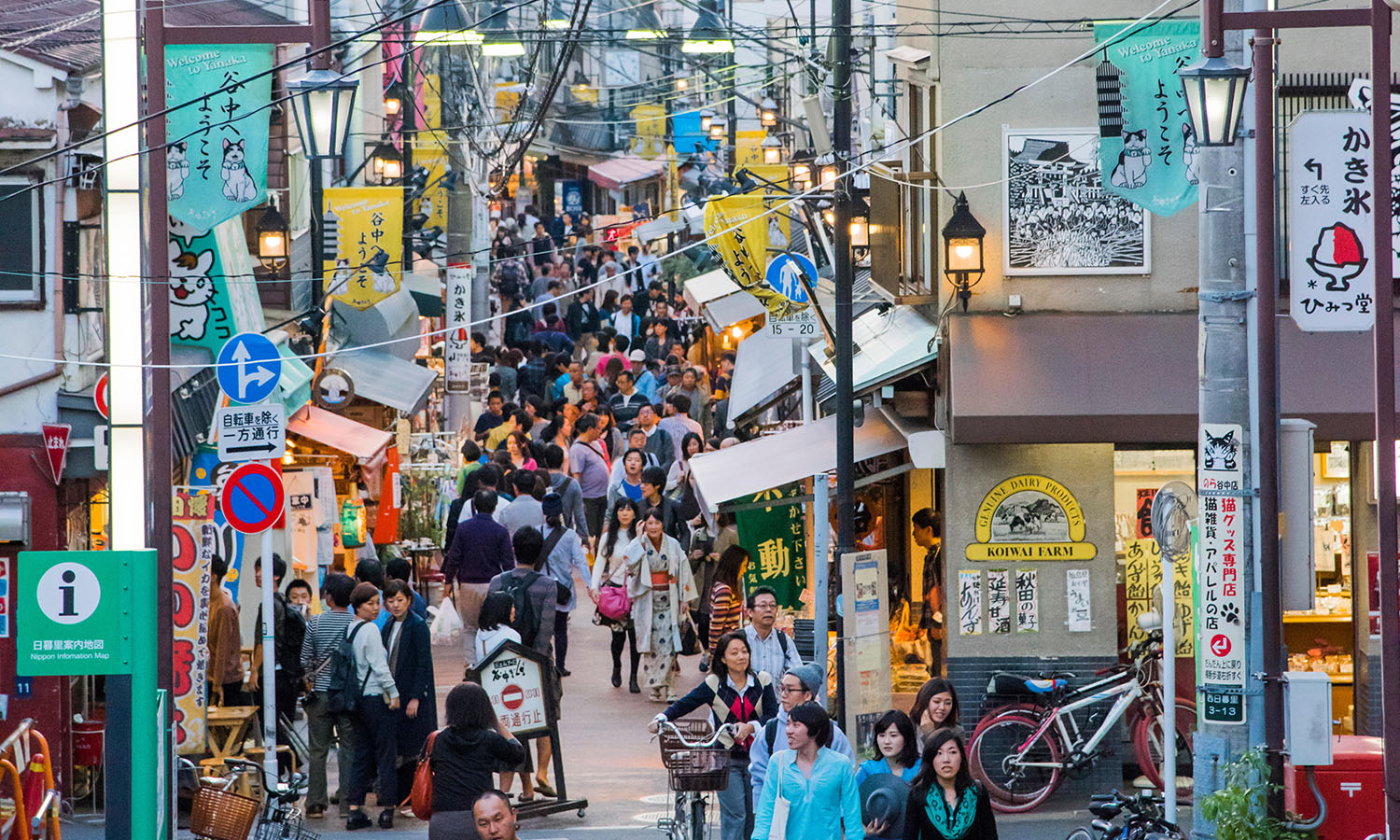
Tayori is nestled in a small alley just off Yanaka Ginza, a classic shotengai (traditional shopping street) lined with independent, often family-run shops, a streetscape increasingly rare in modern urban Japan. Inside, seasonal dishes are served using single-origin ingredients. In a beautiful nod to connection and community, visitors are invited to write a tayori (a letter or message) to the farmers and suppliers behind their meal.
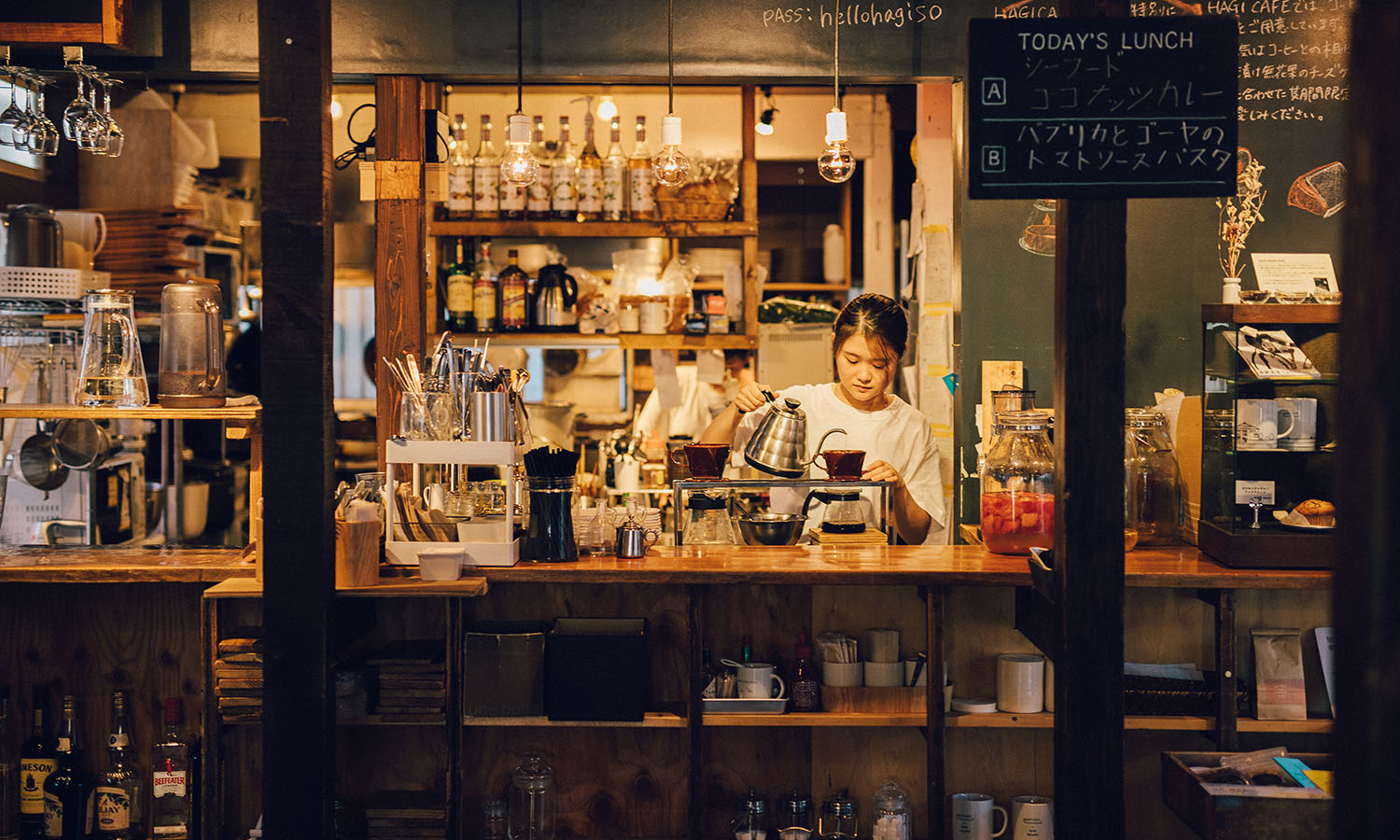
The cafe is one of several projects under Hagiso, a key cultural presence in the Yanaka neighbourhood. The organisation’s roots go back to its days as a wooden dormitory-turned-studio for students enrolled in the nearby Tokyo University of the Arts. Originally slated for demolition after the 2011 Tohoku earthquake, the building was instead transformed, against all odds, into what is now affectionately known as “the smallest cultural complex”. Today, Hagiso operates not only Tayori but also gallery/cafe Hagiso, a design office, Tayori Bake (a patisserie), Hanare (a small hotel), and various other creative initiatives, all contributing to the unique charm and evolving story of Yanaka.
Yanaka’s creative energy is longstanding. The neighbourhood sits beside Ueno Park, home to world-class museums, and just a short distance away is SCAI The Bathhouse, one of Tokyo’s leading contemporary-art galleries. Housed in a 200-year-old converted public bathhouse, the space has showcased cutting-edge works by global artists for decades, from Mariko Mori and Tatsuo Miyajima to Anish Kapoor and Apichatpong Weerasethakul.
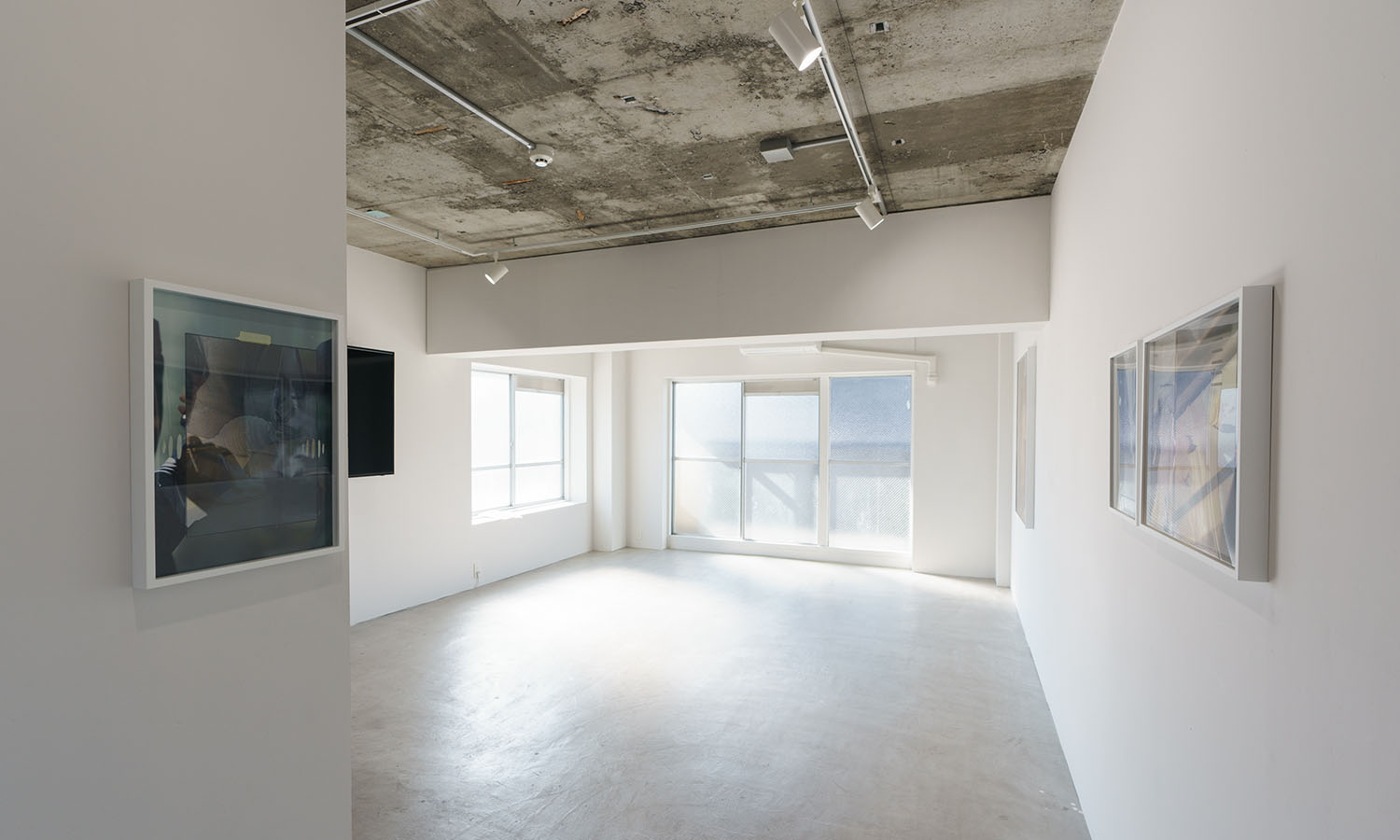
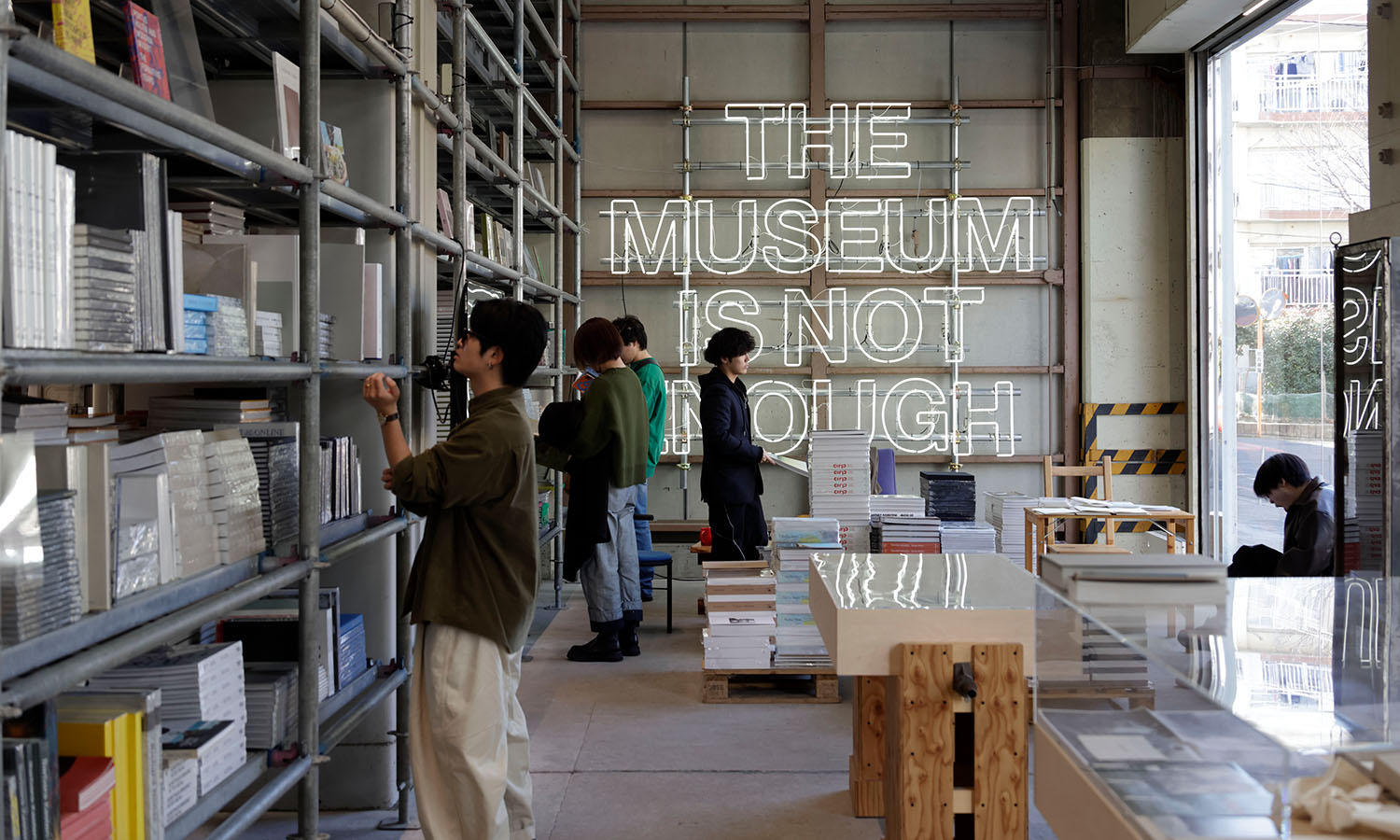
A short walk away is The 5th Floor, an alternative art space. Located, unsurprisingly, on the fifth floor, the gallery’s exhibitions often incorporate the unique character of the space itself. Nearby, the Nezu train station serves as a gateway to SKWAT Kameari Art Centre, a trendy art complex formerly based in the Aoyama neighbourhood. Further northeast, near the Arakawa River, SKWAT is, admittedly, out of the way, but its strong presence in the art world and its role in a major redevelopment zone – featuring a vinyl shop, art-book store, gallery space and cafe – signal the growing momentum of Tokyo’s northeastern districts as a new cultural hub.
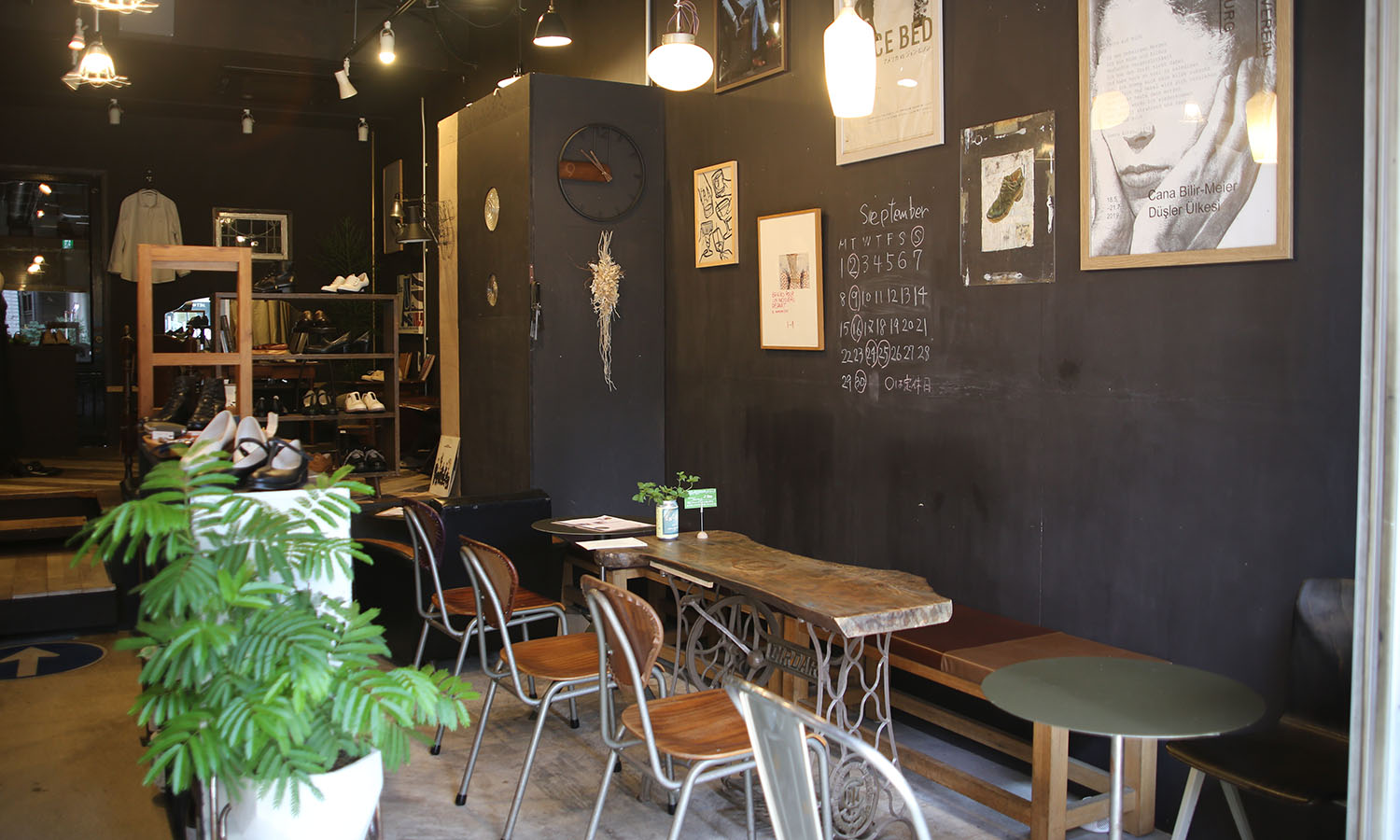
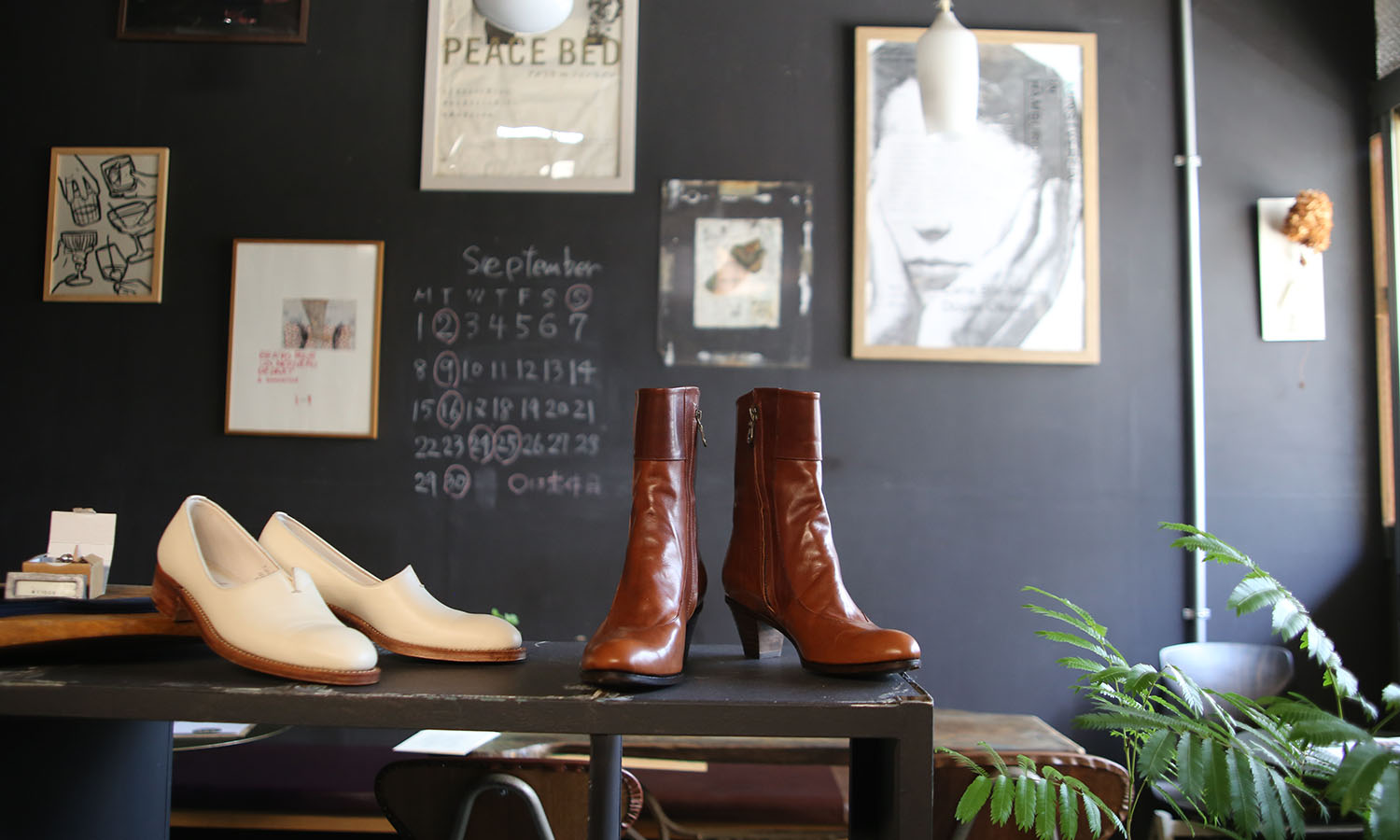
Back down towards SCAI is Miura-zaka, a picturesque slope that feels like something out of a Studio Ghibli film. At the bottom of the hill is another gem not to be missed: Sonomitsu. Scored to the music of American jazz-rock band Blood, Sweat & Tears, this quaint shop for handmade shoes is a gem straight out of a fairy tale. The atelier, located in an adjoining space at the back, is bridged with a carefully curated display of sample shoes, while the front of the store doubles as a tasteful cafe – a perfect blend of craftsmanship and style. Each pair of shoes is individually measured and handcrafted using traditional methods, with a completion time of four to six months. Even the sample shoes, available to try on, are otherworldly in their comfort. It’s places like these, where community and craftsmanship sit side by side, that serve as a reminder of what the capital still is, even among all the new developments.