Riga, Latvia
Summer brings out the best in many European cities, but nowhere does it hit quite like in Riga. As cafe terraces fill with locals lingering over natural wines and modern Baltic cuisine, the Latvian capital takes on a noticeable glow. Credit the “white nights”: in June and July, the sun barely sets, giving visitors over 18 hours of daylight to take it all in.
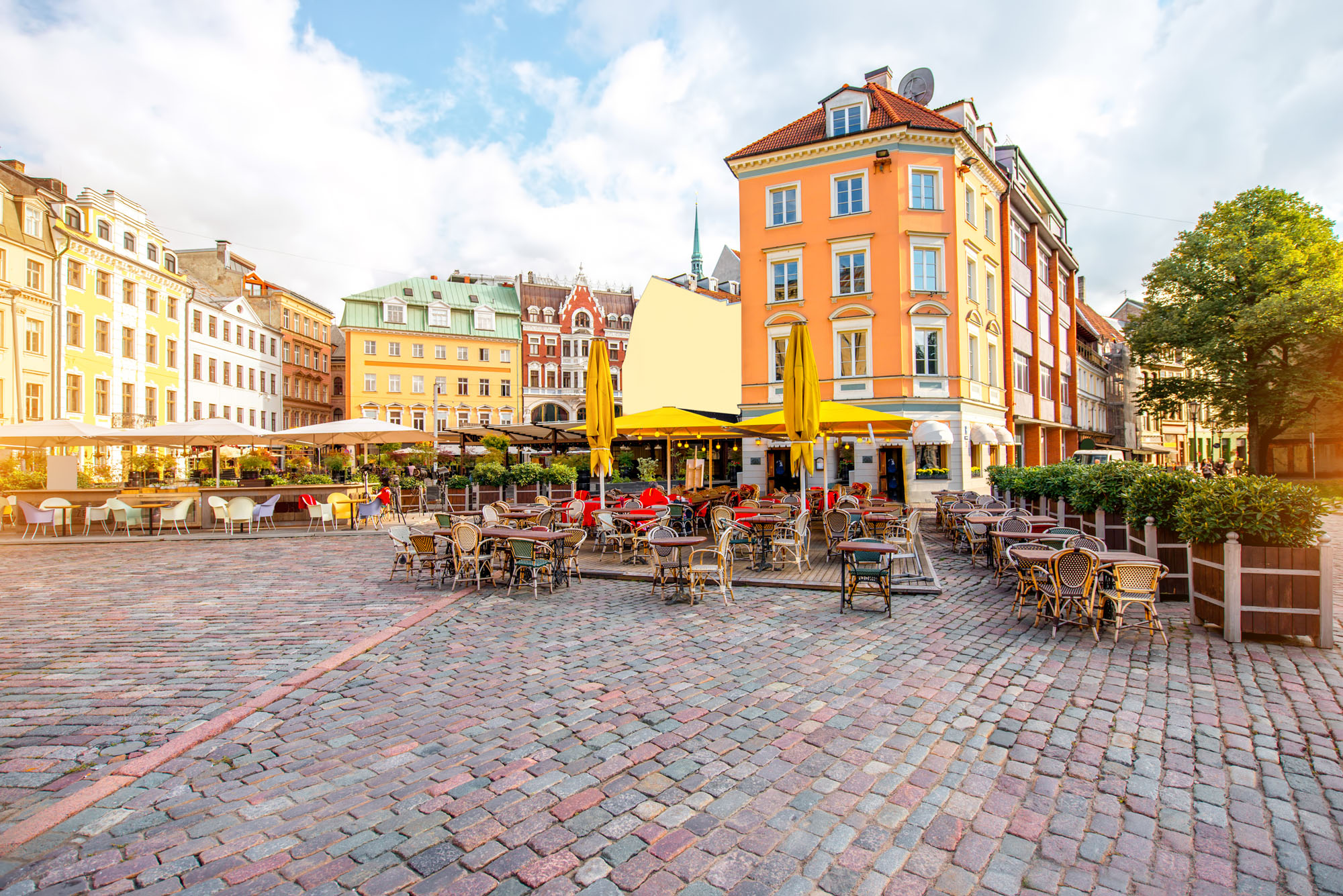
Among the essential stops, the Unesco-listed Old Town of Vecrīga delivers a medieval atmosphere with its cobblestone streets and majestic cathedrals, while cultural highlights like the Latvian National Museum of Art add a contemporary edge. Stop by the Riga Central Market for the best smoked fish, dark rye bread, locally brewed beers and other must-try delicacies, before taking a stroll along Alberta Street, Riga’s Art Nouveau showpiece – a full block of ornate early 19th-century façades decorated with swirling motifs, sculptural details and symbolic figures including mythical creatures. Go in the early morning or at golden hour, when the softer light gets this photogenic street ready for its close-up.
Our Tip: If you attend one Latvian festival in your life, make it the summer solstice (23-24 June). Midsummer festivities, known as Līgo or Jāņi, are an integral part of the country’s ancient pagan beliefs and ancestral agrarian culture; having survived Soviet occupation, they are also a point of national pride. Watch as the capital city goes into joie-de-vivre overdrive, with concerts, craft fairs and folk dancing in the parks and squares, or venture into the countryside for a more traditional tone marked by bonfires, games, flower-wreath-making and folk-song-singing through the night.
Mongolia
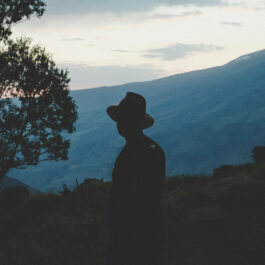
Most travellers associate Mongolia with vast emptiness and nomadic culture, but July is when the country bursts into celebration during the national festival of Naadam. While the main event in Ulaanbaatar draws major crowds for its competitions in wrestling, horse racing and archery – the so-called “three games of men” – the insider move is to attend a smaller regional Naadam in the countryside, where festivities feel more intimate.
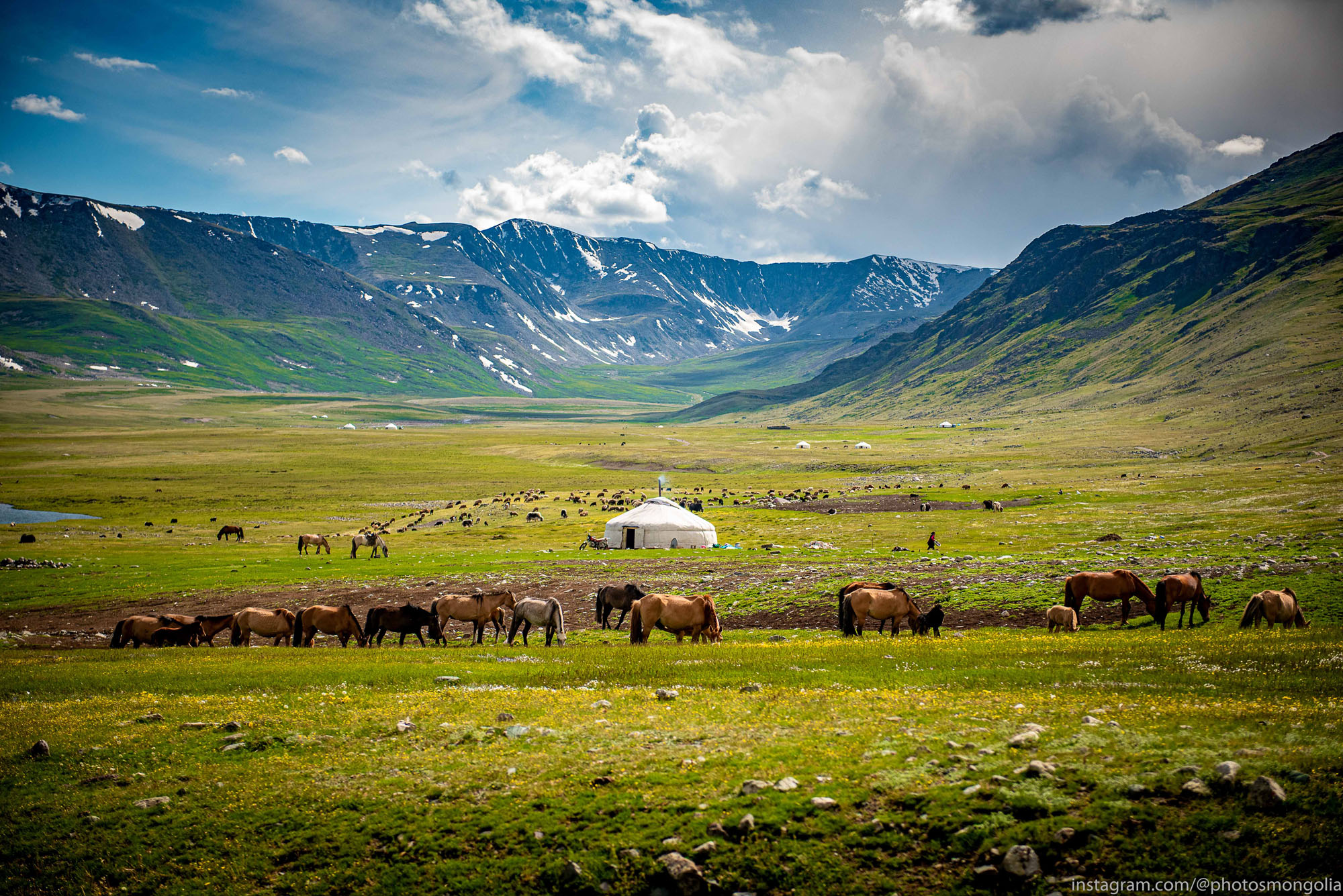
This also happens to be one of the best times to visit the Mongolian steppe, when it becomes what most people imagine it to be: the grasslands are green (rather than the parched yellow of late summer), temperatures are warm but not extreme, and the ger camps, featuring accommodation in traditional roundhouses, are in full swing. For the quintessential experience, head for the Orkhon Valley – a Unesco-protected area roughly 360 kilometres southwest of Ulaanbaatar, combining the ruins of the ancient Mongol capital Karakorum with river valleys, a nomadic herding lifestyle and landscapes that have remained more or less unchanged for a thousand years.
Our Tip: When in Mongolia… travel on horseback. The most traditional form of Mongolian transportation is also the most advantageous for glimpsing the steppe in all its glory. To ensure an authentic experience, arrange it through a reputable local operator who works directly with nomadic families, rather than a larger international travel company.
Cusco, Peru
In Cusco, the gateway to Machu Picchu, any time between June and September is prime time: the skies are clear, the hiking trails are dry, and the city is running at peak energy. The Inca Trail is at its best climate-wise right now, and the ruins of the 15th-century citadel Sacsayhuamán look spectacular under the Southern Hemisphere’s winter light. June also brings Inti Raymi, the Festival of the Sun, which spills across the city’s plazas in a celebration packed with street fairs, rituals, parades and more.
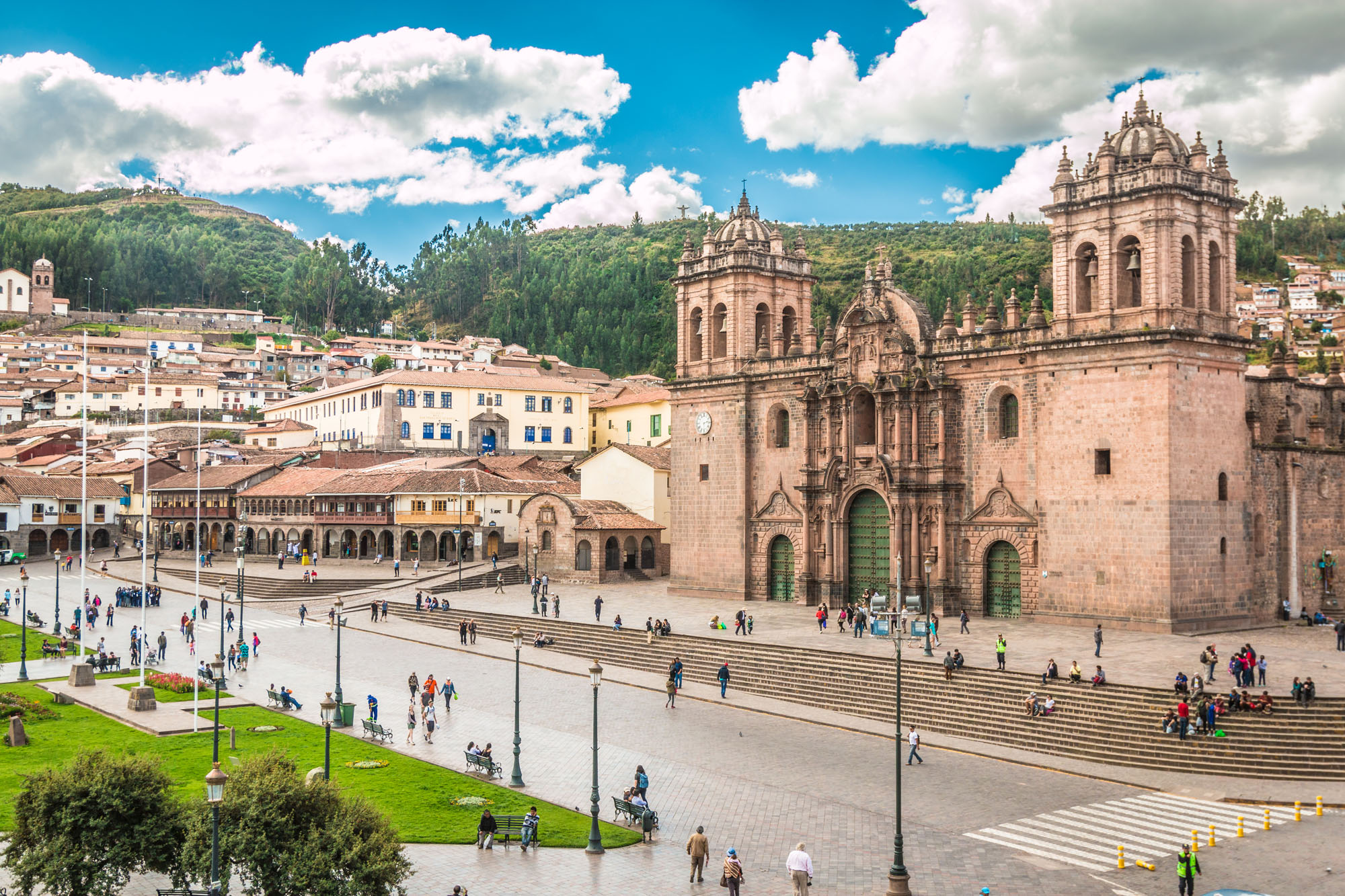
Then there are the slower, more quotidian pleasures: San Blas neighbourhood in the morning, with its steep lanes, artisan workshops and great coffee; San Pedro Market for the full sensory hit of everyday Peruvian life; and quaint colonial courtyards made for sipping pisco sours late into the evening. Peru’s world-class food culture – ceviche, chicharrón, anticuchos, lomo saltado – fills in any gaps.
Our Tip: Restaurant Pachapapa sits across from Iglesia de San Blas, the oldest church in Cusco. While most visitors walk right past it, this is where locals go for slow-cooked Andean classics like empanadas, ají de gallina and purple corn pudding. Book for lunch, when the afternoon sun warms the courtyard situated at 3,400 metres altitude.
The Albanian Riviera
The secret’s getting out, but Albania’s Ionian coastline still offers a more relaxed, affordable and less polished alternative to neighbouring Greece or Croatia. The sweet spots are early June and the final weeks of August, when the sea is warm enough for swimming, but the crowds are thinner and prices notably lower.
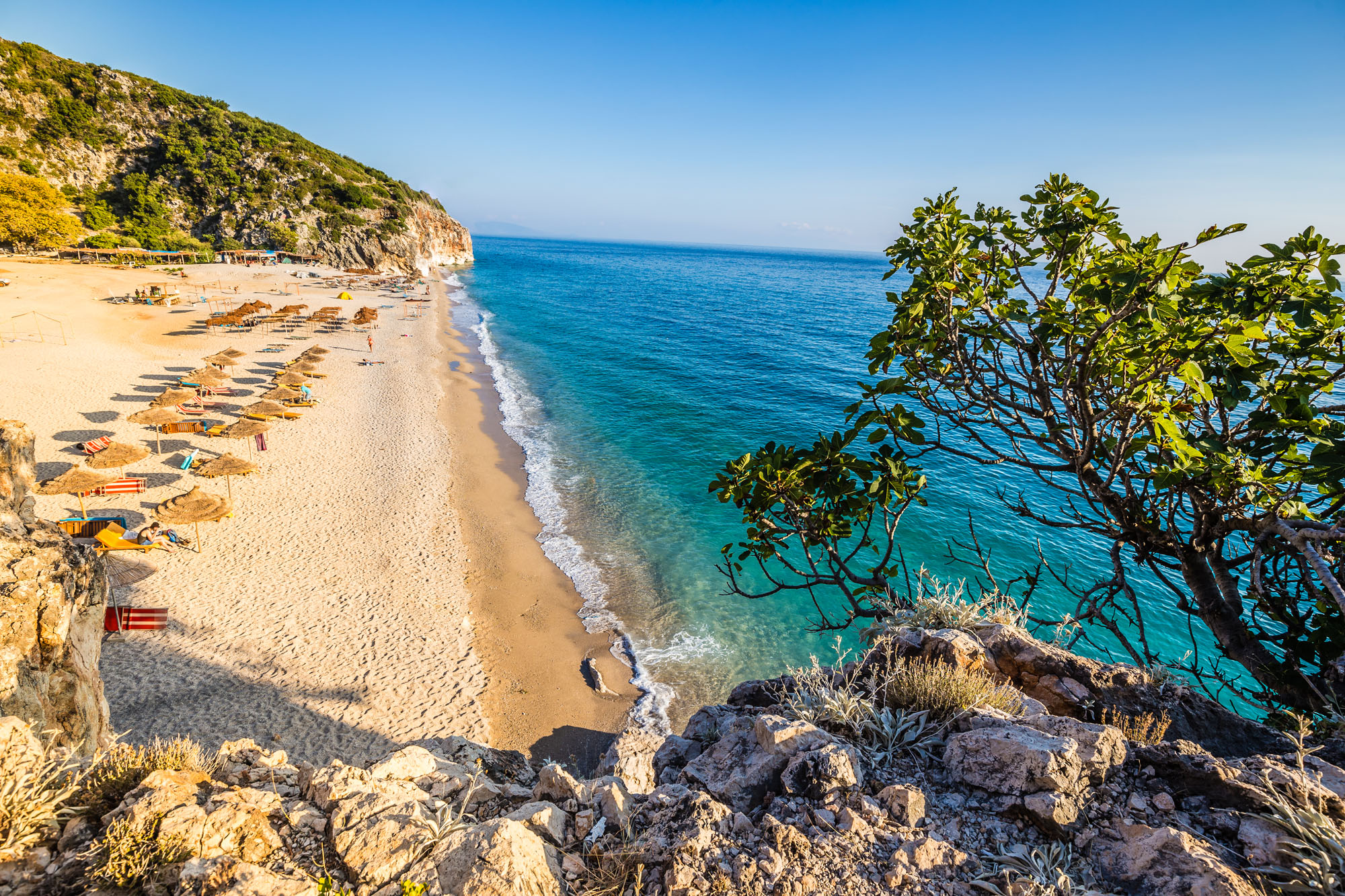
Skip buzzy Ksamil and instead base yourself in low-key villages like Borsh, with its long, white beach and fairy-tale waterfall flanked by stone terraces, or Qeparo, where terracotta-roofed houses dot the olive-covered hillsides above translucent waters. Summer is ideal for kayaking hidden coves, hiking in Llogara National Park or hopping between tiny family-run beach tavernas serving grilled octopus and homemade raki. Cash is king here, so be sure to hit the ATM before hitting the boardwalk.
Our Tip: The SH8, the 125km road that traces Albania’s Ionian coastline between Vlora and Saranda, is one of the better cliff-hugging littoral drives in the Mediterranean, and well worth a day of exploration. The stretch between Himara and the Llogara Pass in particular – where the road climbs through pine forest before opening onto panoramic views of the entire riviera below – rewards an early start when the light is low and the coaches haven’t yet begun their descent.
Nairobi, Kenya
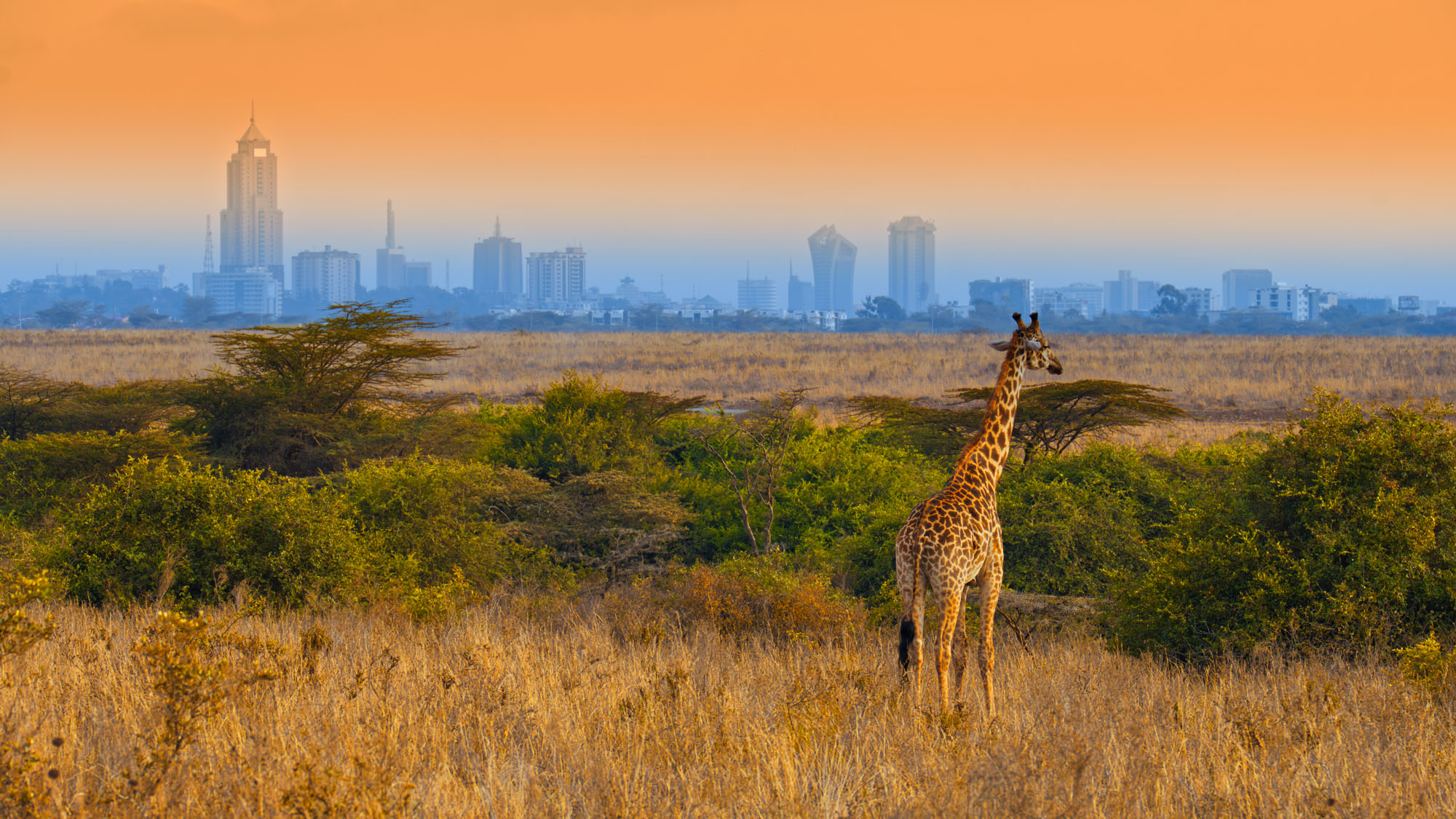
To think of the Kenyan capital strictly as the launch pad for a safari adventure is to sell the city well short of its potential. For starters, few capital cities can claim what Nairobi can: just seven kilometres from downtown, Nairobi National Park sets roving lions, giraffes, rhinos and zebras against a backdrop of urban skyscrapers – a contrast that sounds impossible until you’re standing in the middle of it.
Then there’s the food scene, which has become one of the most dynamic in sub-Saharan Africa – ranging in tenor from the nyama choma joints of Westlands, where goat is roasted over open coals and eaten with your hands, to the generation of Kenyan chefs reinterpreting East African ingredients in compelling new ways. The gallery and studio scene in Karen and Kilimani reflects a city with a young, educated population that has things to say; the David Sheldrick Wildlife Trust, where orphaned elephant calves are rehabilitated before release back into the wild, offers a wildlife encounter entirely different from anything a national park delivers. Nairobi rewards the traveller who builds in two or three days either side of a safari itinerary – and increasingly, it rewards the traveller who comes for the city alone.
Our Tip: Previously considered the type of place you’re more likely to find used car parts than a matcha latte, the centrally located district of Ngara is experiencing a vibe shift, especially along Ngara Road – the result of a cultural revitalisation project by Urban Africa Partners. Part of this renaissance, recent opening The Living Rooms is the kind of secret locals keep to themselves: live music, creative cocktails, local fashion and walls covered in works by emerging East African artists, most of it for sale.
Haida Gwaii, British Columbia, Canada
Most travellers who make it to Canada’s west coast stop at Vancouver Island and consider the job done. Haida Gwaii – the remote archipelago of some 200 islands sitting off the northern BC coast, separated from the mainland by the stormy Hecate Strait – requires more deliberate effort (and a permit, if you want to visit the national park reserve). It also pays off. June through August is a favourable time to visit: the seas are calm enough for boat travel between islands, the ancient temperate rainforest is teeming with life, and the long Pacific daylight hours allow extra time for exploration.
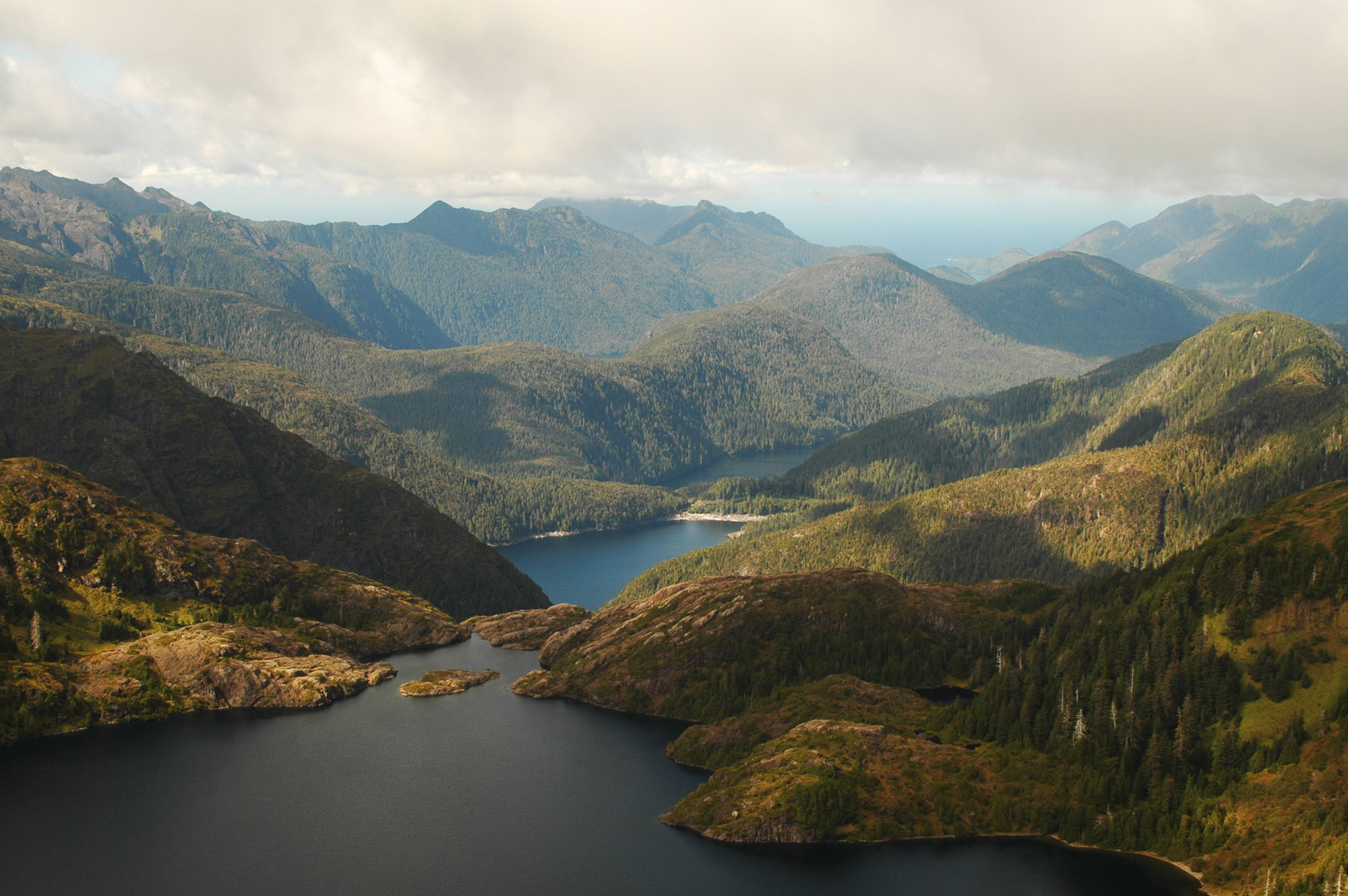
The cultural draw is as strong as the natural one. Haida Gwaii is the ancestral home of the Haida Nation, whose art, governance and cultural revival over recent decades has produced one of the more significant indigenous renaissances in North America. The Unesco-listed SGang Gwaay – a remote former Haida village on the archipelago’s southern tip, accessible only by boat – holds standing totem poles and longhouse ruins of extraordinary power; a Haida Gwaii Watchmen guide is required to visit, and the experience of arriving by water to a site largely unchanged since the 19th century is not easily forgotten. Bears roam the old-growth forest, bald eagles soar overhead, and Dall’s porpoises ride the bow waves of the boats that navigate the archipelago. Set aside several days for this experience alone.
Our Tip: The ferry crossing from Prince Rupert to Skidegate – a half-day passage through the waters of Hecate Strait on BC Ferries – is worth taking over flying in, both for the humpback and orca sightings that are commonly reported along the route in summer and for the arrival it provides: pulling into Haida Gwaii by sea, as travellers have for centuries, sets the tone for everything that follows.