
Beyond The Bucket List: How To Become A More Well-Rounded Traveller
It’s a familiar feeling. You arrive somewhere you’ve dreamed of visiting for years, only to find yourself standing shoulder to shoulder with hundreds of other people, all taking the same photograph from the same viewpoint. There’s nothing wrong with ticking off the world’s great landmarks — they’re famous for good reason — but some of the most memorable travel experiences happen a little further afield, in places you didn’t even know existed before you started planning your trip.
Becoming a more well-rounded traveller isn’t about avoiding famous destinations for the sake of it. Rather, it’s about cultivating a little curiosity. It’s recognising that every celebrated attraction sits within a wider region filled with equally compelling towns, landscapes and traditions that receive only a fraction of the attention.
Look Beyond The Headliners
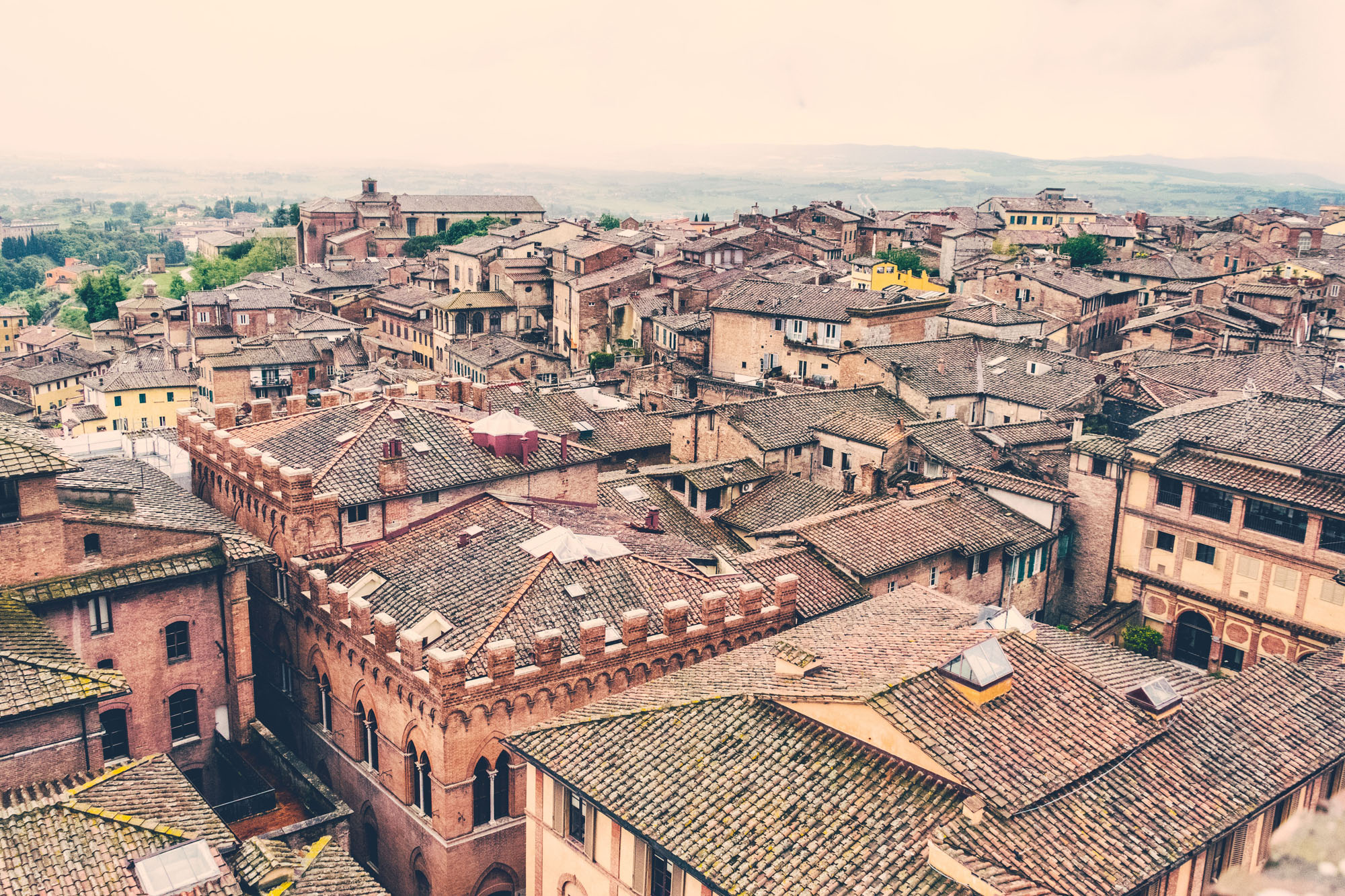
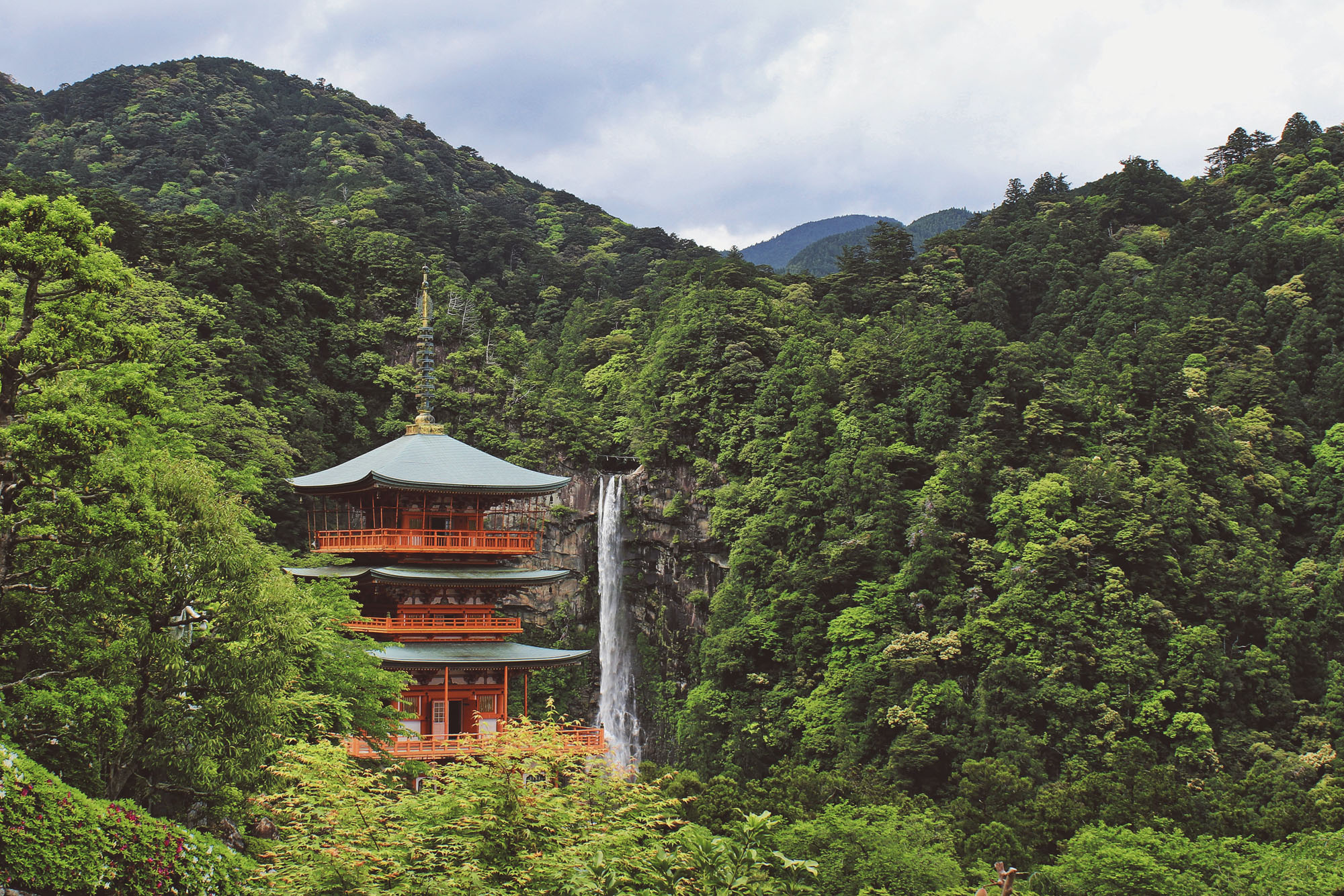
Take Japan. Millions flock to Kyoto’s temples every year, yet comparatively few venture a few hours south to the sacred Kumano Kodo pilgrimage trails, where centuries-old shrines are tucked deep within misty cedar forests. Likewise, Italy’s Tuscany extends far beyond Florence and Pisa. Medieval Siena, with its maze of terracotta rooftops and fiercely proud neighbourhoods, offers an entirely different perspective on the region’s history and culture.
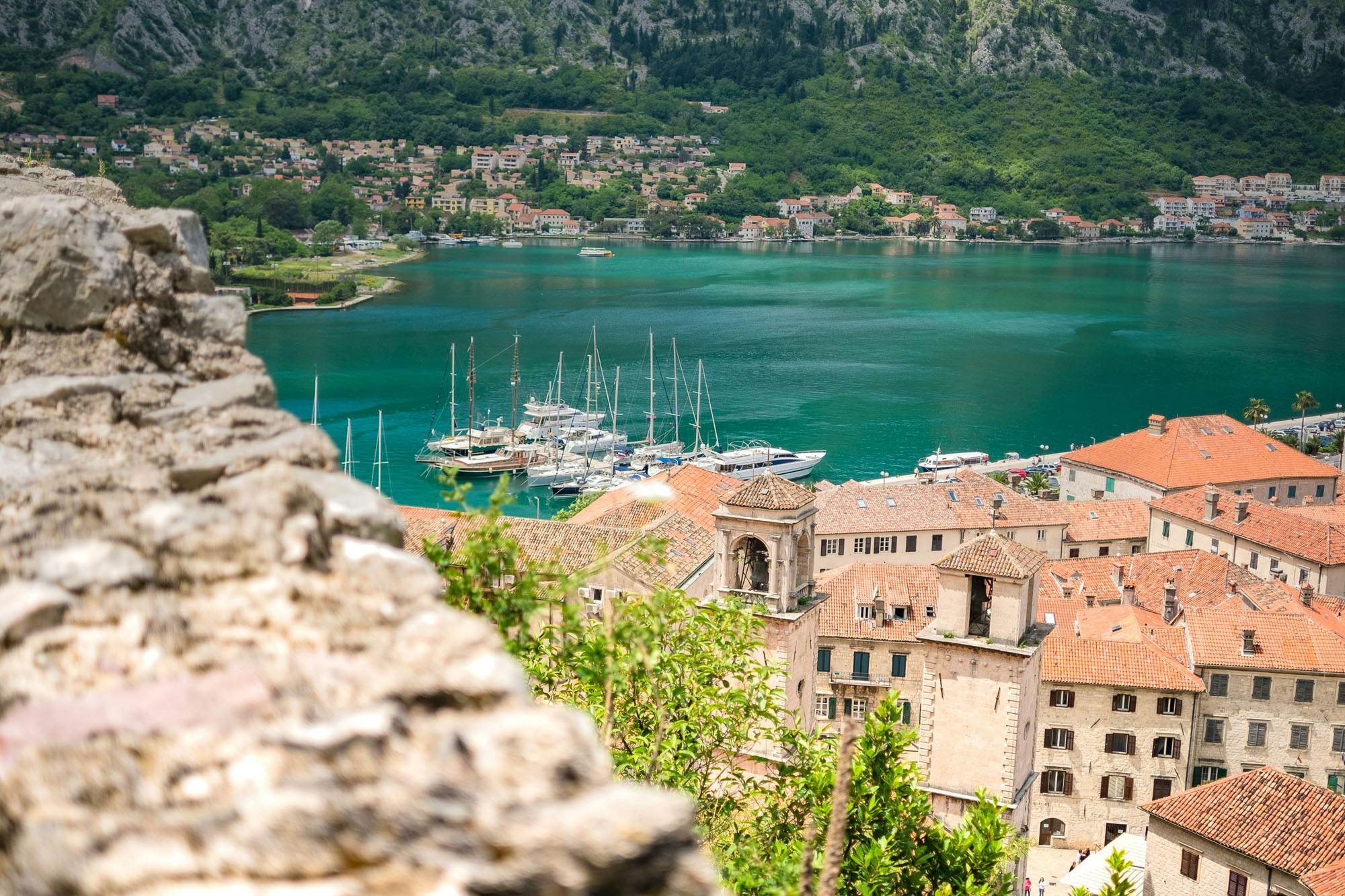
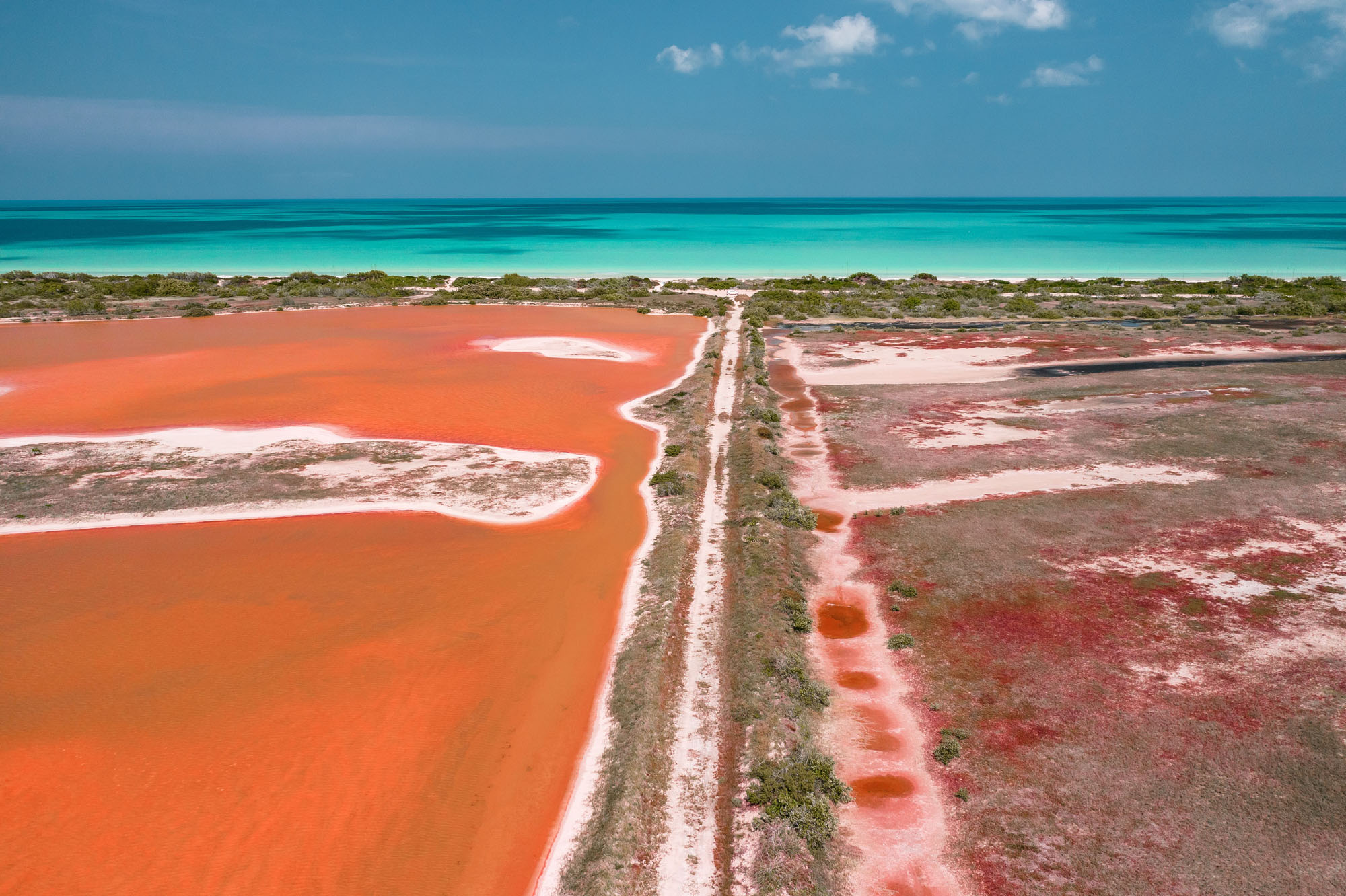
One of the easiest ways to broaden your horizons is simply to look beyond the first page of recommendations. Search engines and social media naturally favour places that are already popular, creating a feedback loop where the same handful of destinations dominate every itinerary. Dig a little deeper, and you’ll often find underrated alternatives nearby. Instead of Santorini, consider Milos. Rather than Dubrovnik, why not Kotor? Skip Cancun’s busiest beaches and head for the pink salt lakes of Las Coloradas or the quieter corners of the Yucatán coast.
Follow Landscapes, Not Just Landmarks
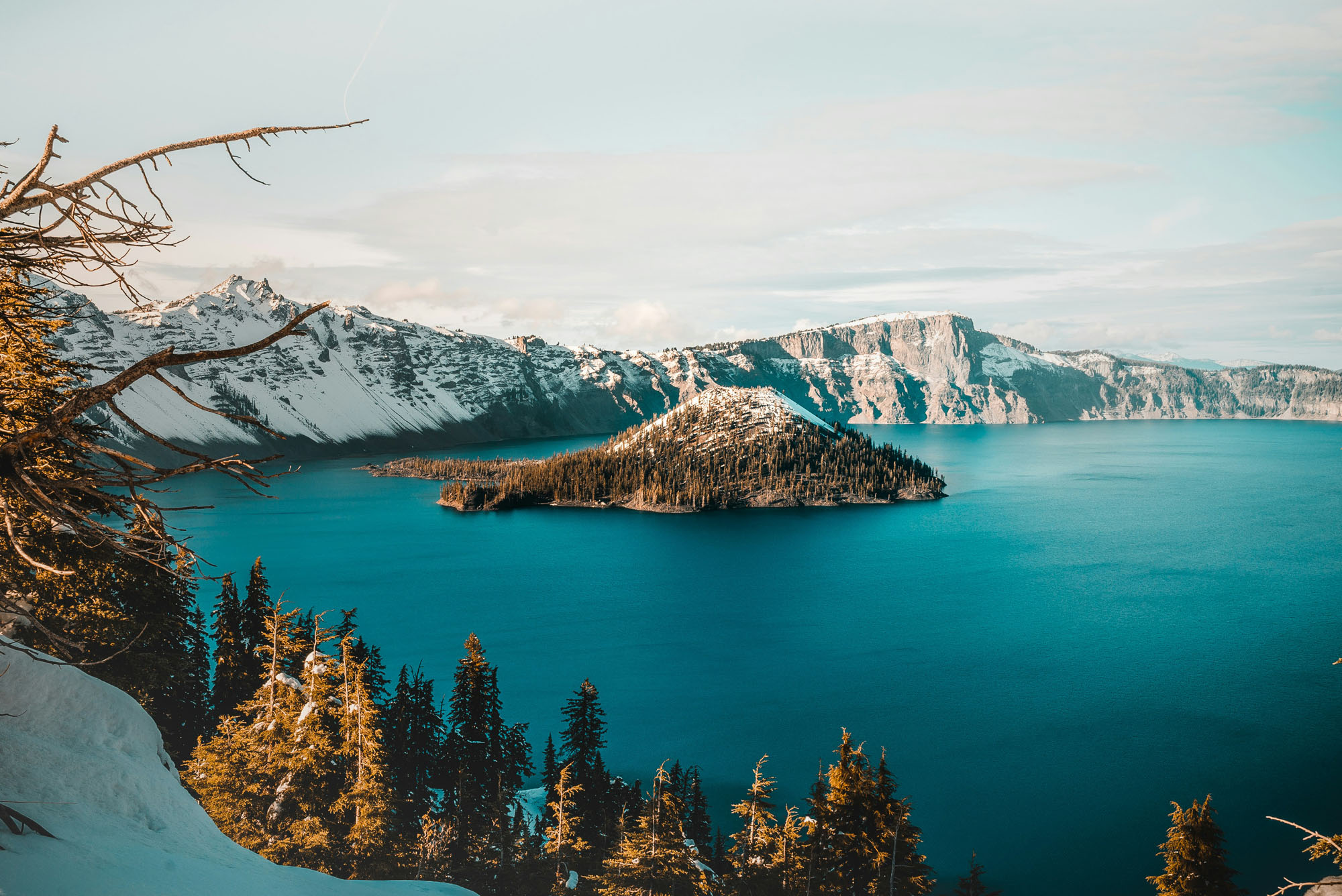
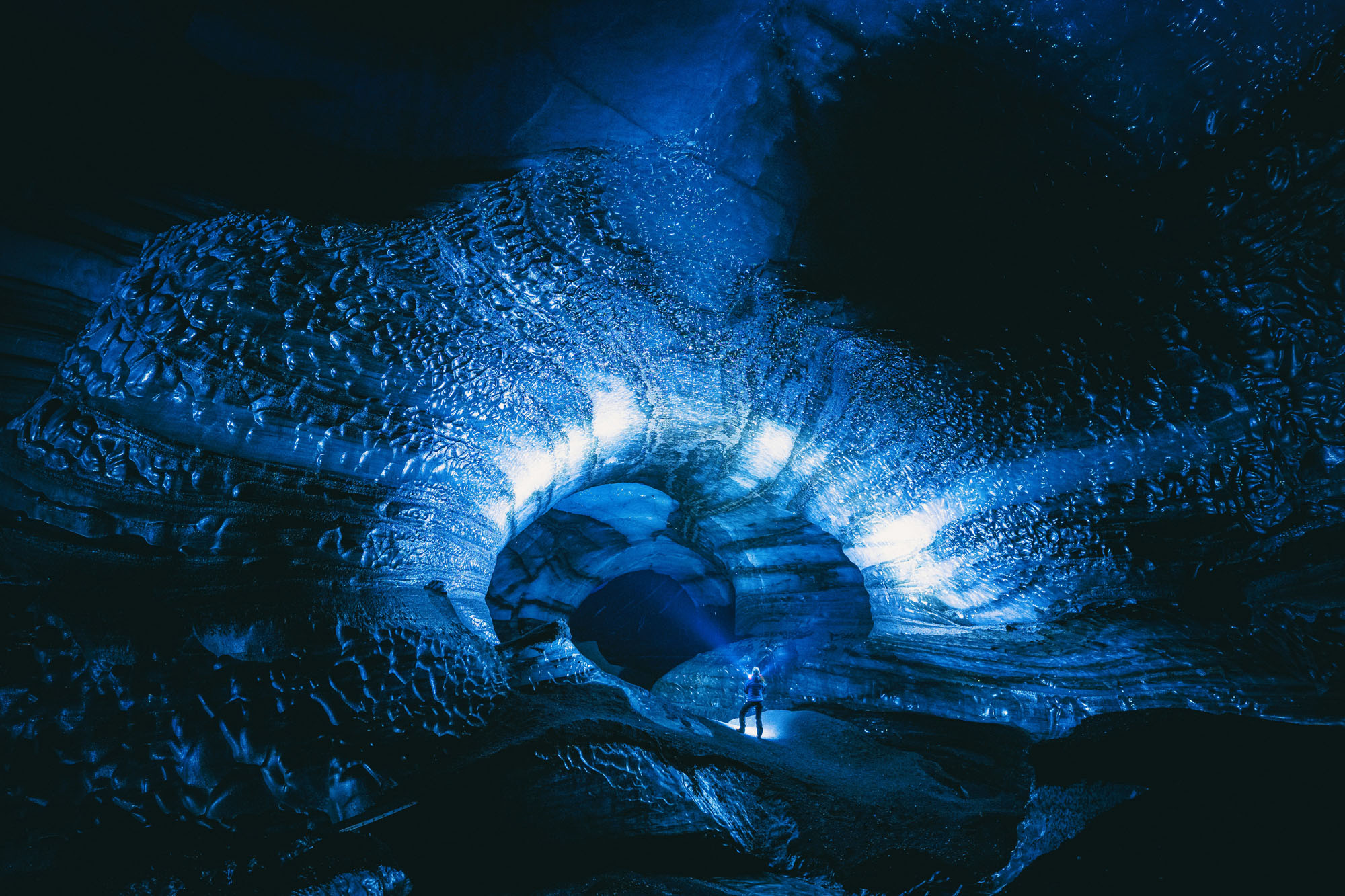
Photography can also be a surprisingly useful teacher. Rather than asking yourself, “Where is everyone going?”, ask, “What type of landscape fascinates me?” Perhaps it’s volcanic lakes, colourful cities, ancient ruins, alpine villages or dramatic coastlines. Once you’ve identified the scenery that resonates most, you’ll begin to notice similar destinations across the globe. Someone enchanted by Iceland’s glaciers might also fall in love with Patagonia or New Zealand’s Southern Alps. Fans of Japan’s mountain temples may discover equally atmospheric monasteries in Sri Lanka or northern Thailand.
Travel By Passion
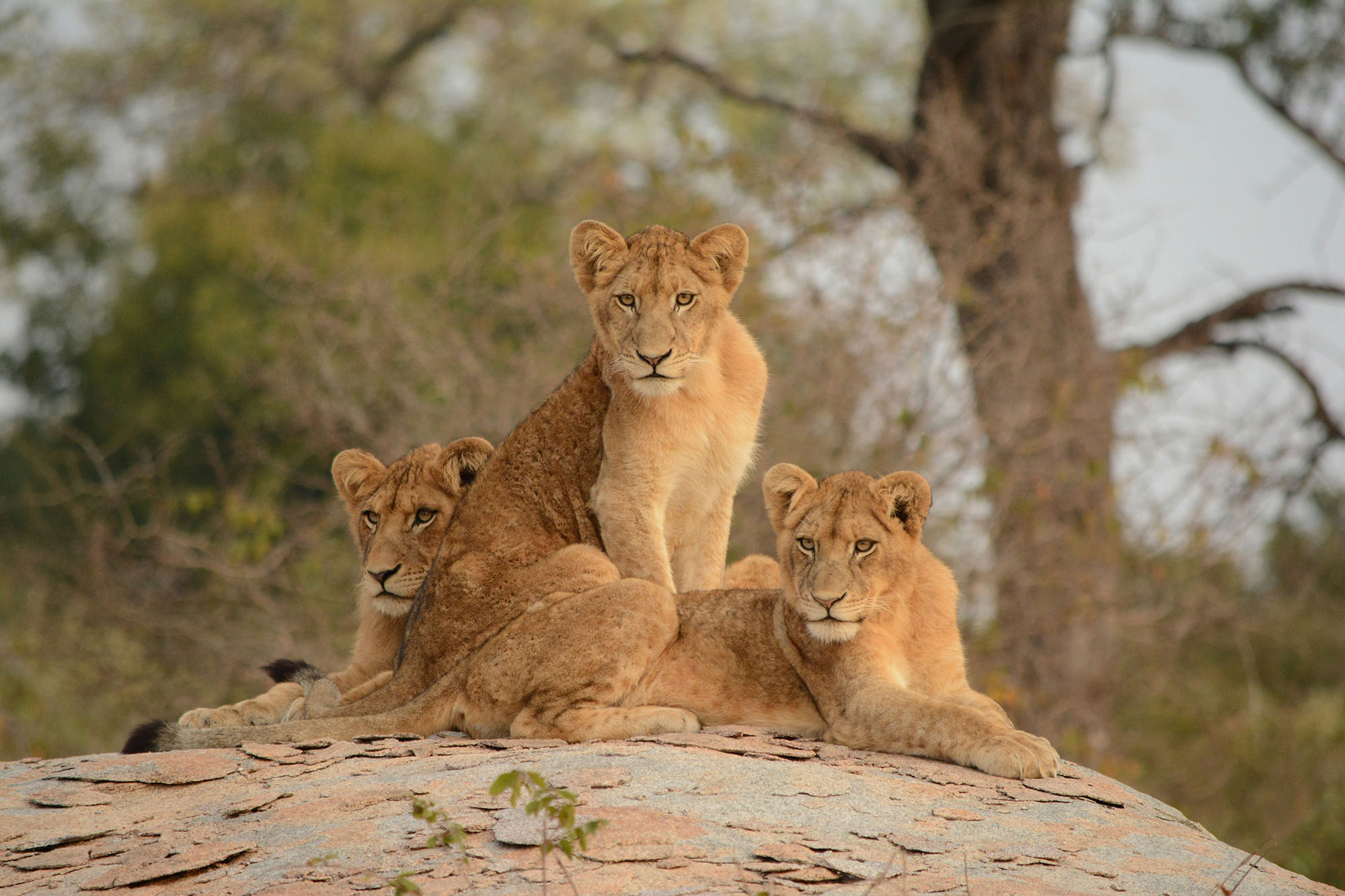
Another hallmark of experienced travellers is learning to travel by interest rather than by country. Instead of trying to “do” Italy or Japan in a single trip, focus on a theme. Food lovers might follow the world’s great culinary regions, from the Basque Country to Oaxaca. Architecture enthusiasts could trace Gothic cathedrals across Europe or explore the mud-brick kasbahs of Morocco. Wildlife lovers might compare Botswana’s flooded Okavango Delta with South Africa’s self-drive safaris and Ecuador’s Galápagos Islands. Travelling this way often leads to a much richer understanding of each destination—and introduces you to places that rarely make the front page of guidebooks.
Slow Down And Stay Curious
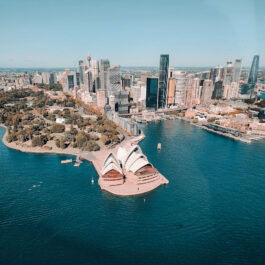
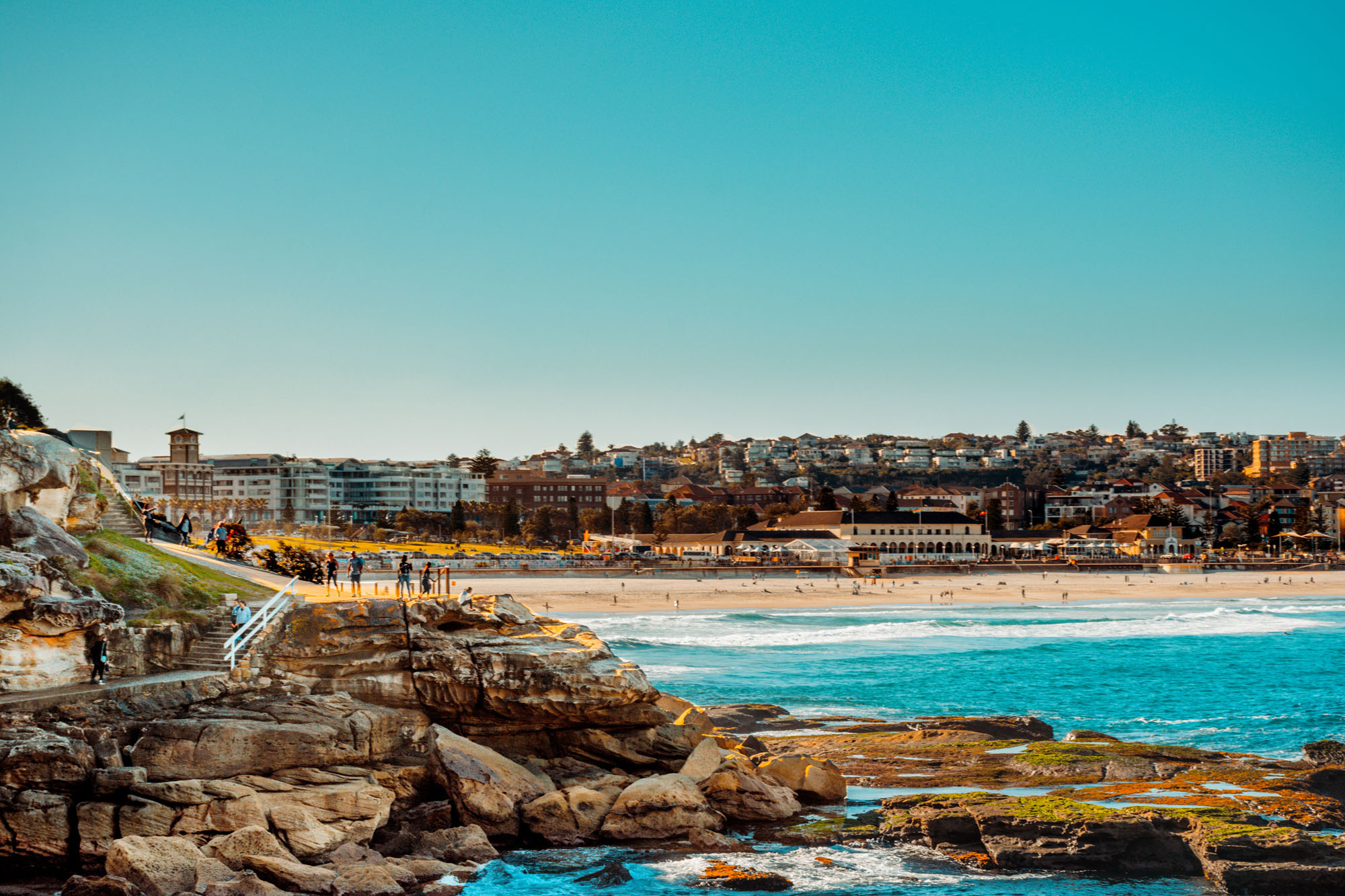
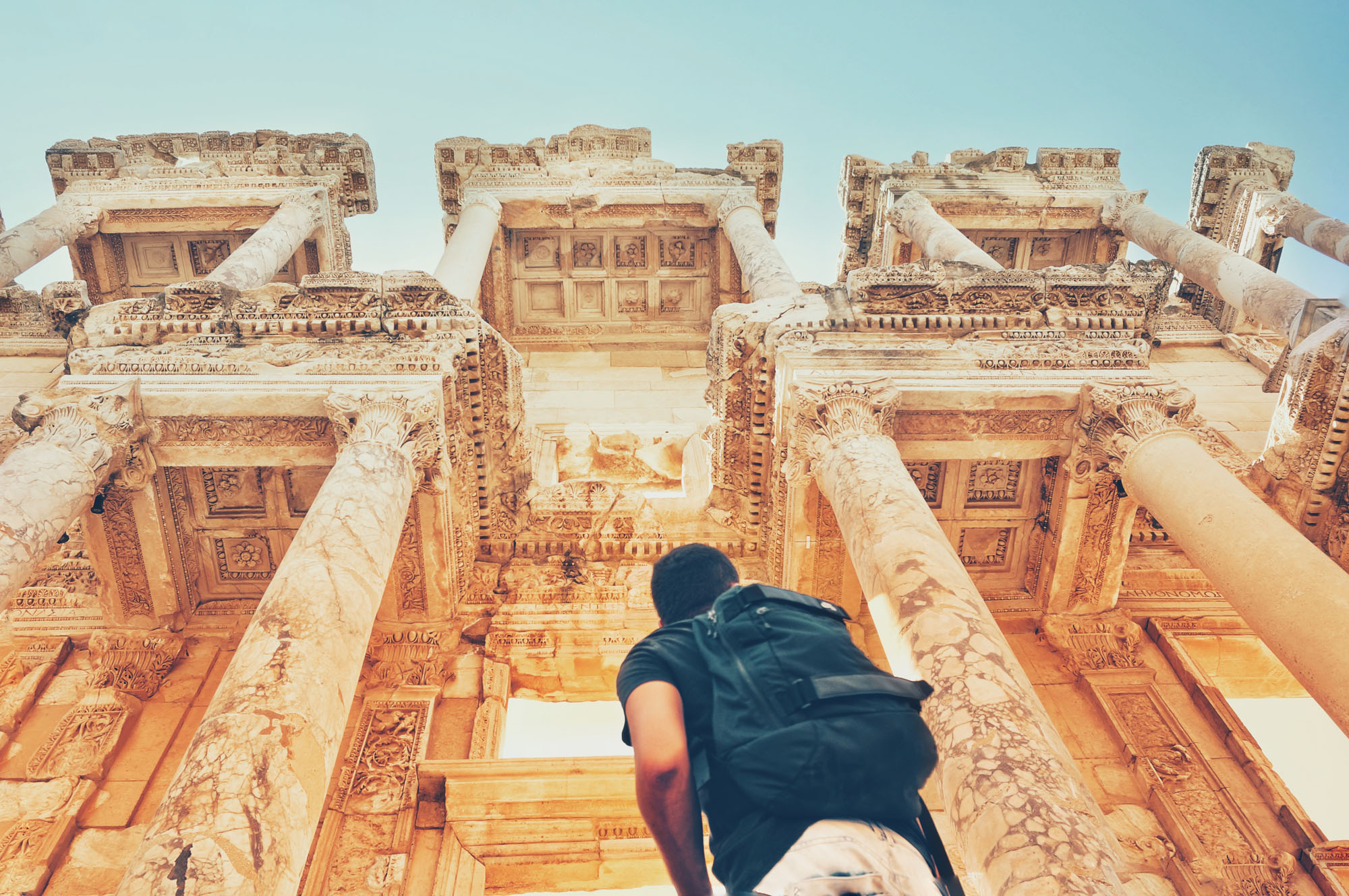
Equally important is allowing yourself enough time to explore beyond the headline attraction. A traveller who flies into Sydney for a quick selfie at Bondi Beach may leave believing they’ve seen the city. Spend another day wandering neighbourhoods like Surry Hills or taking the ferry to Manly, however, and a far more nuanced picture begins to emerge. The same is true almost everywhere. Great destinations reward curiosity.
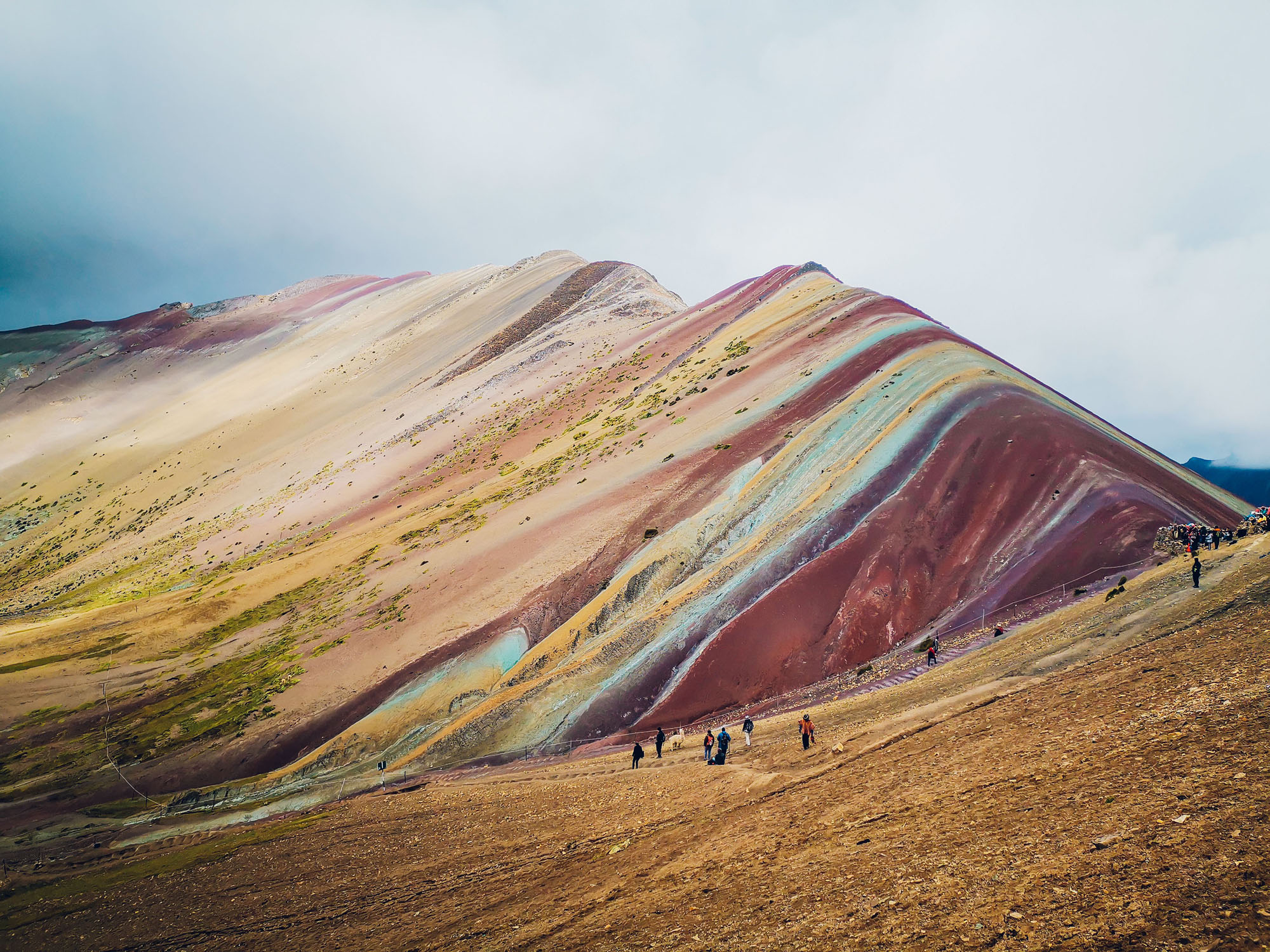
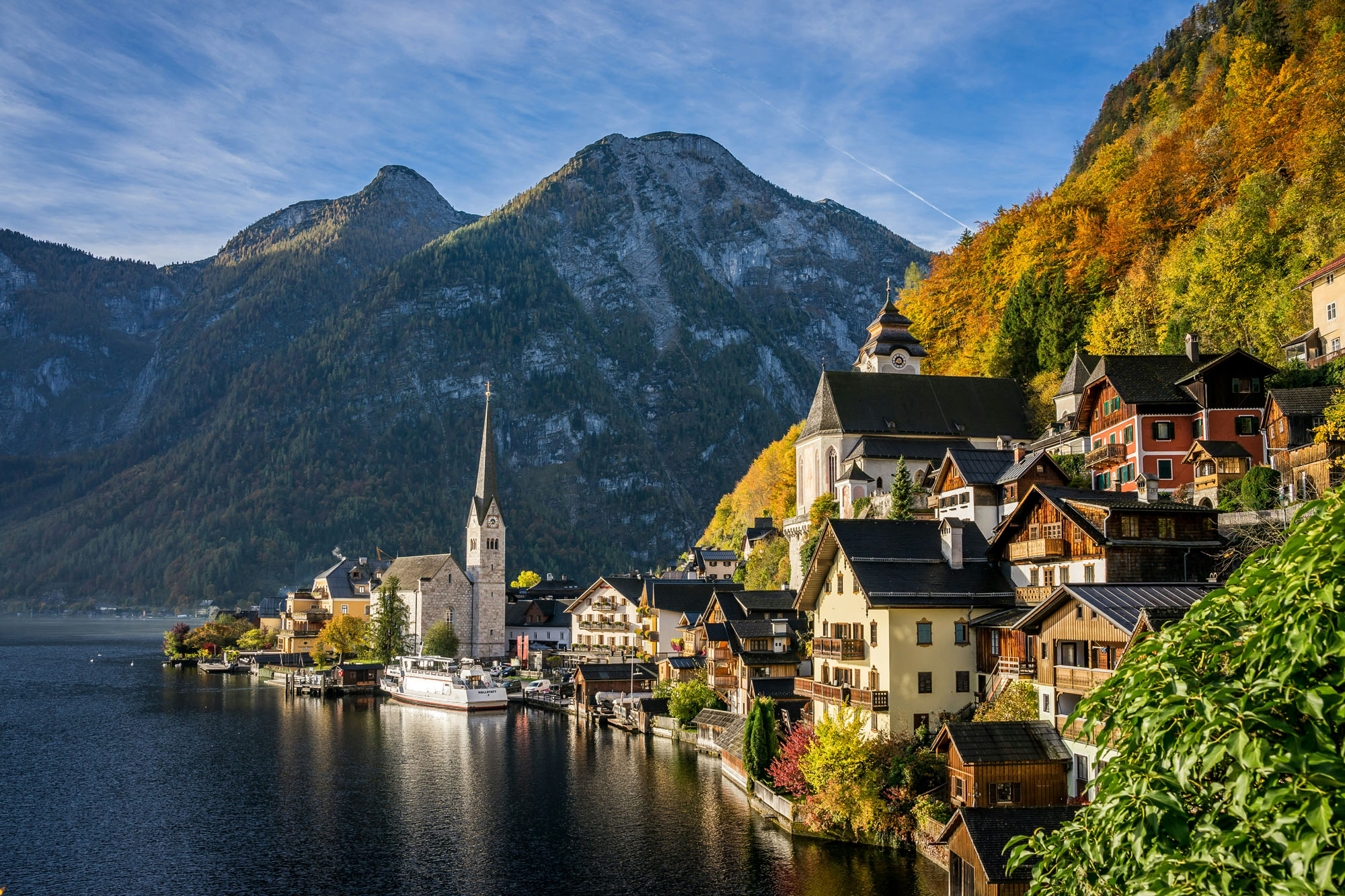
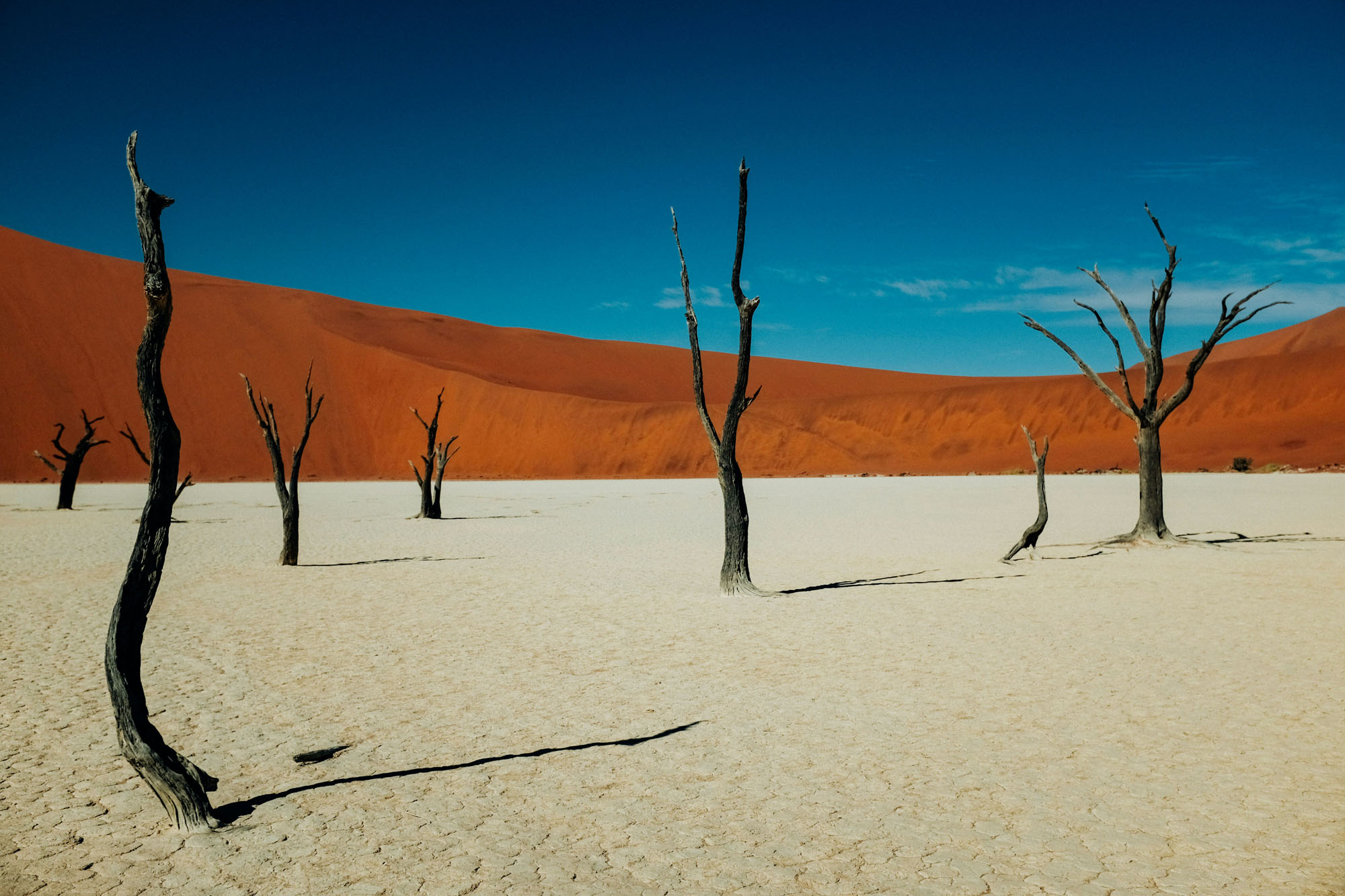
Speaking of curiosity, one of the best travel habits you can develop is learning a little about a place before you arrive. Understanding why Vinicunca’s mountains glow in stripes of red and gold, why Hallstatt prospered through salt mining, or how Deadvlei’s ancient camel thorn trees came to be preserved for centuries transforms a beautiful photograph into a meaningful memory. Places become infinitely more rewarding when you understand the stories that shaped them.
Seek Out Tomorrow’s Icons
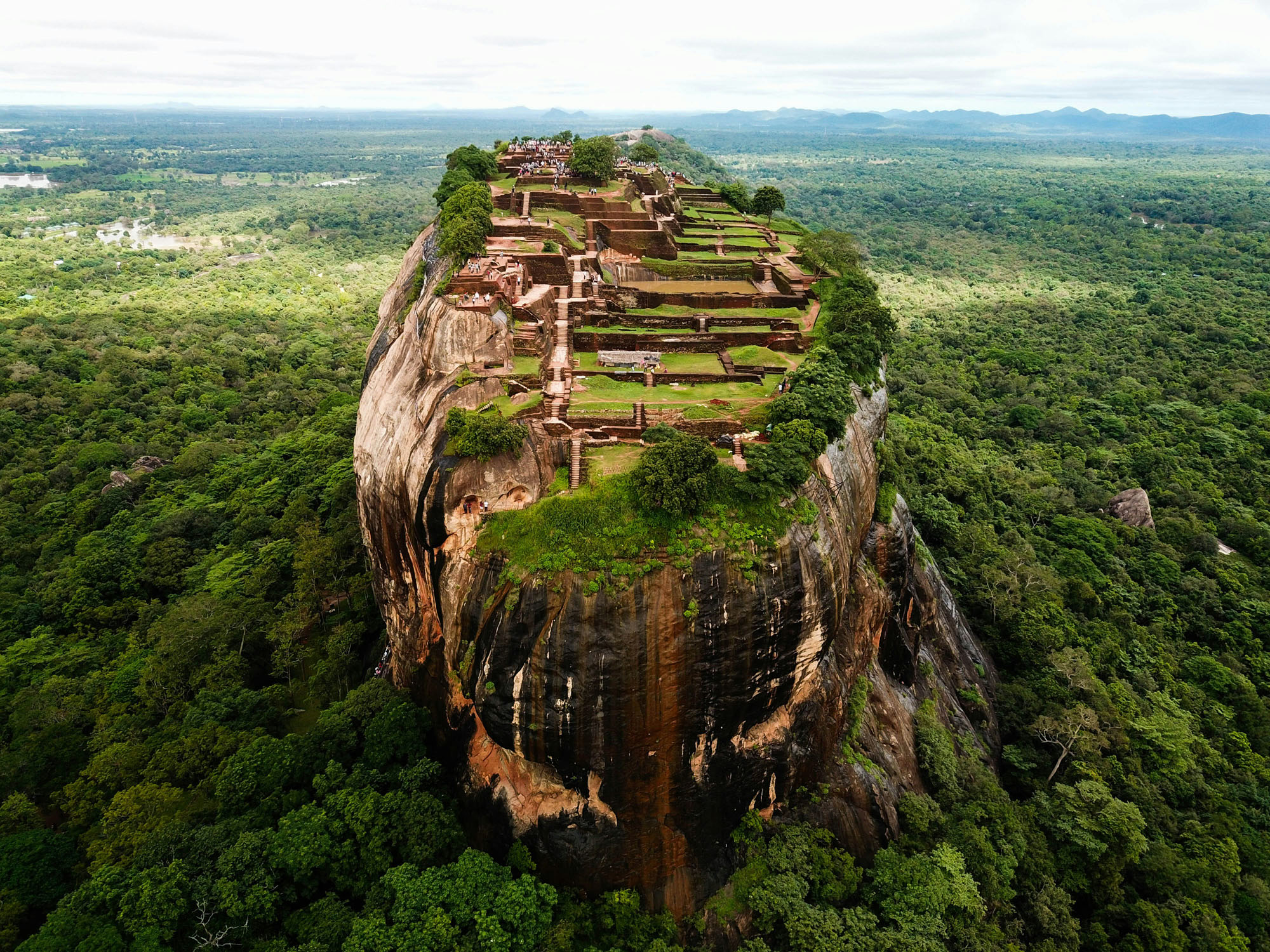
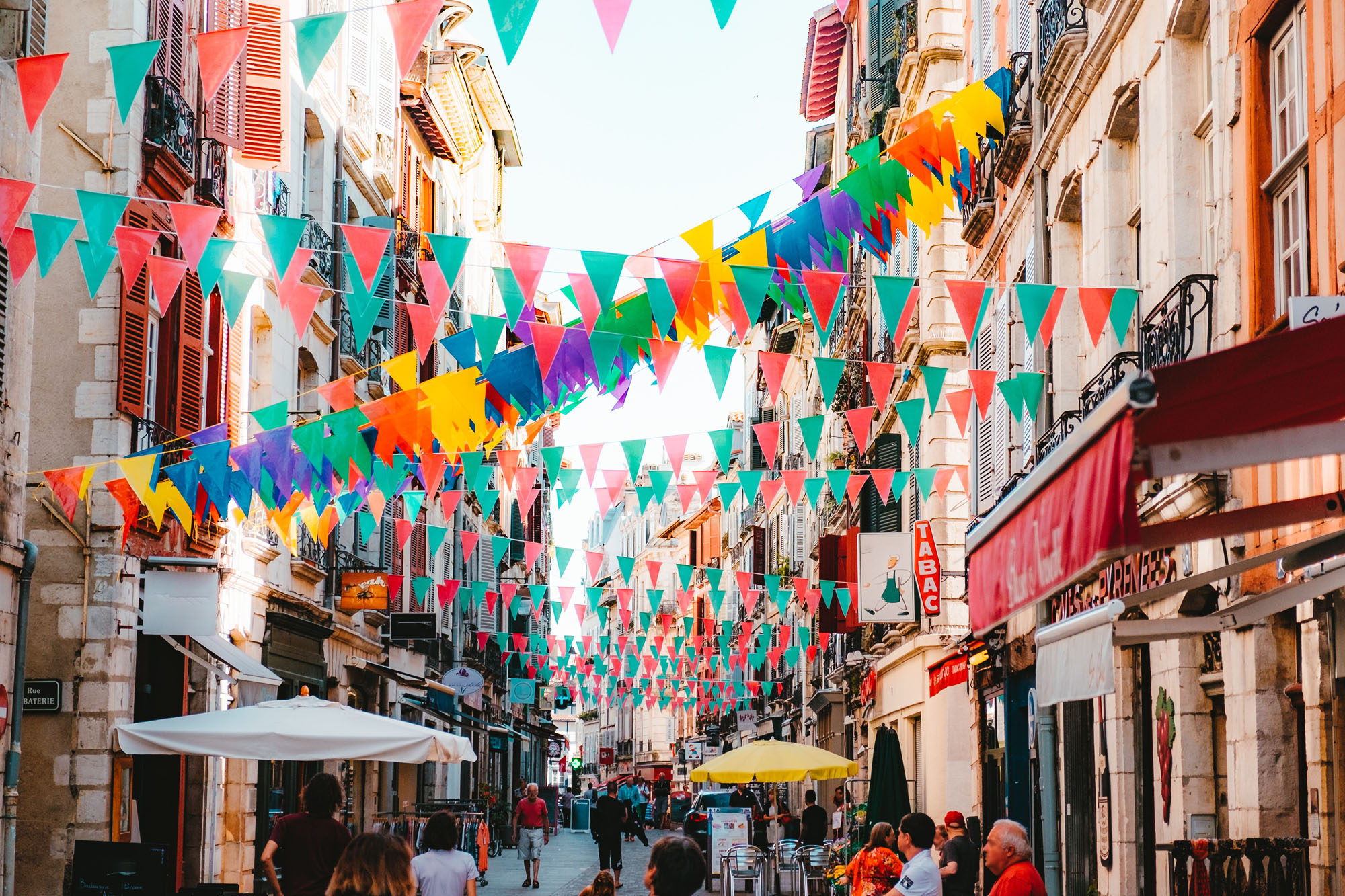
It’s also worth remembering that popularity isn’t permanent. Today’s overlooked destination may well become tomorrow’s hotspot. Bayonne, for example, has long been overshadowed by neighbouring Biarritz and San Sebastián, despite possessing one of France’s most charming historic centres. Likewise, Sigiriya has quietly emerged as one of South Asia’s great cultural treasures, while Namibia’s haunting desert landscapes are steadily finding their way onto more travellers’ wish lists. Discovering these places before they become household names is part of the joy.
Travel Responsibly
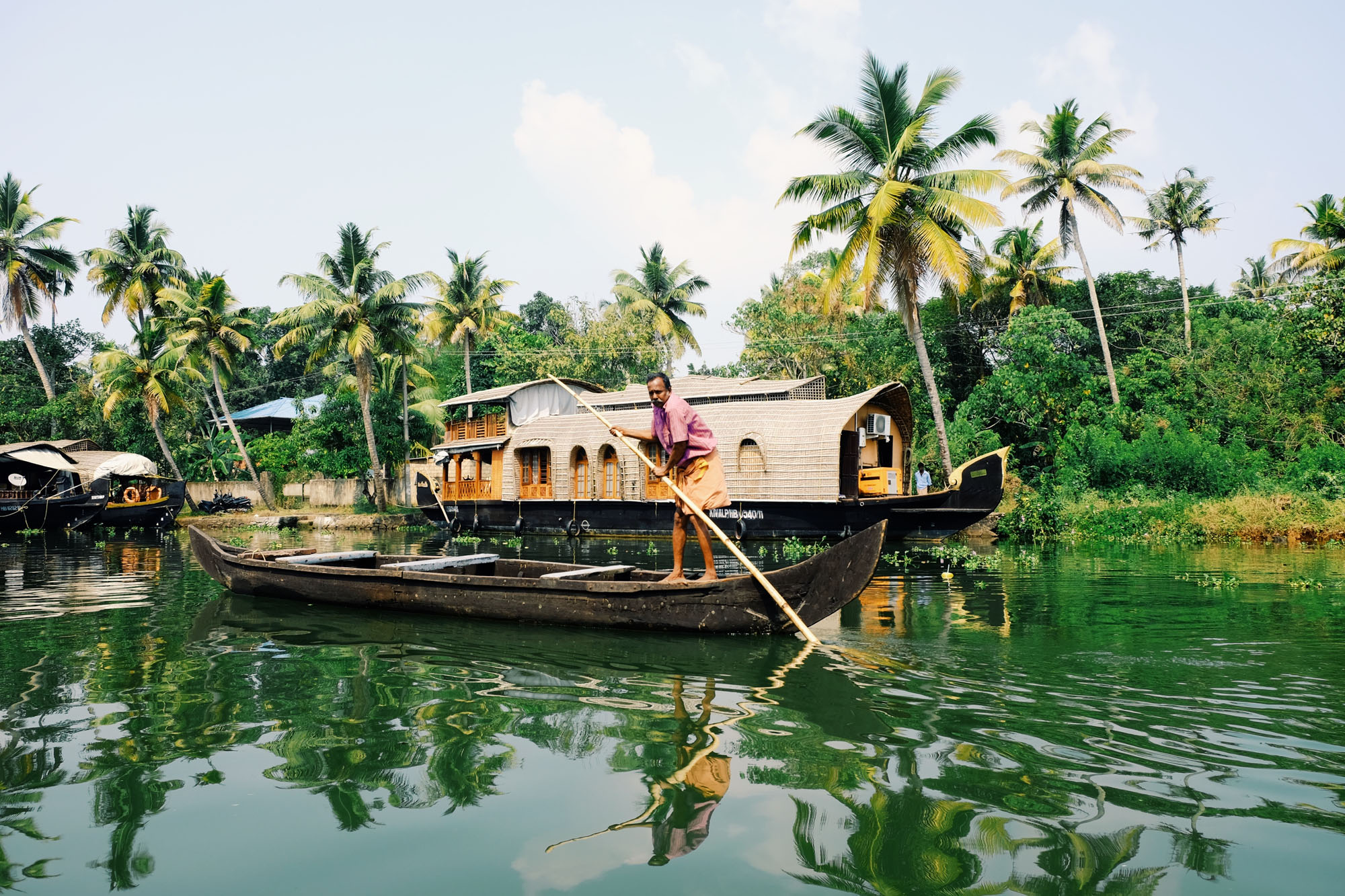
That doesn’t mean every hidden gem should stay hidden forever. Responsible tourism can provide vital income for local communities and help preserve historic sites, cultural traditions and fragile ecosystems. The key is travelling thoughtfully: visiting outside peak periods where possible, supporting locally owned businesses, respecting cultural customs and remembering that extraordinary places are, first and foremost, home to the people who live there.
Collect Experiences, Not Countries
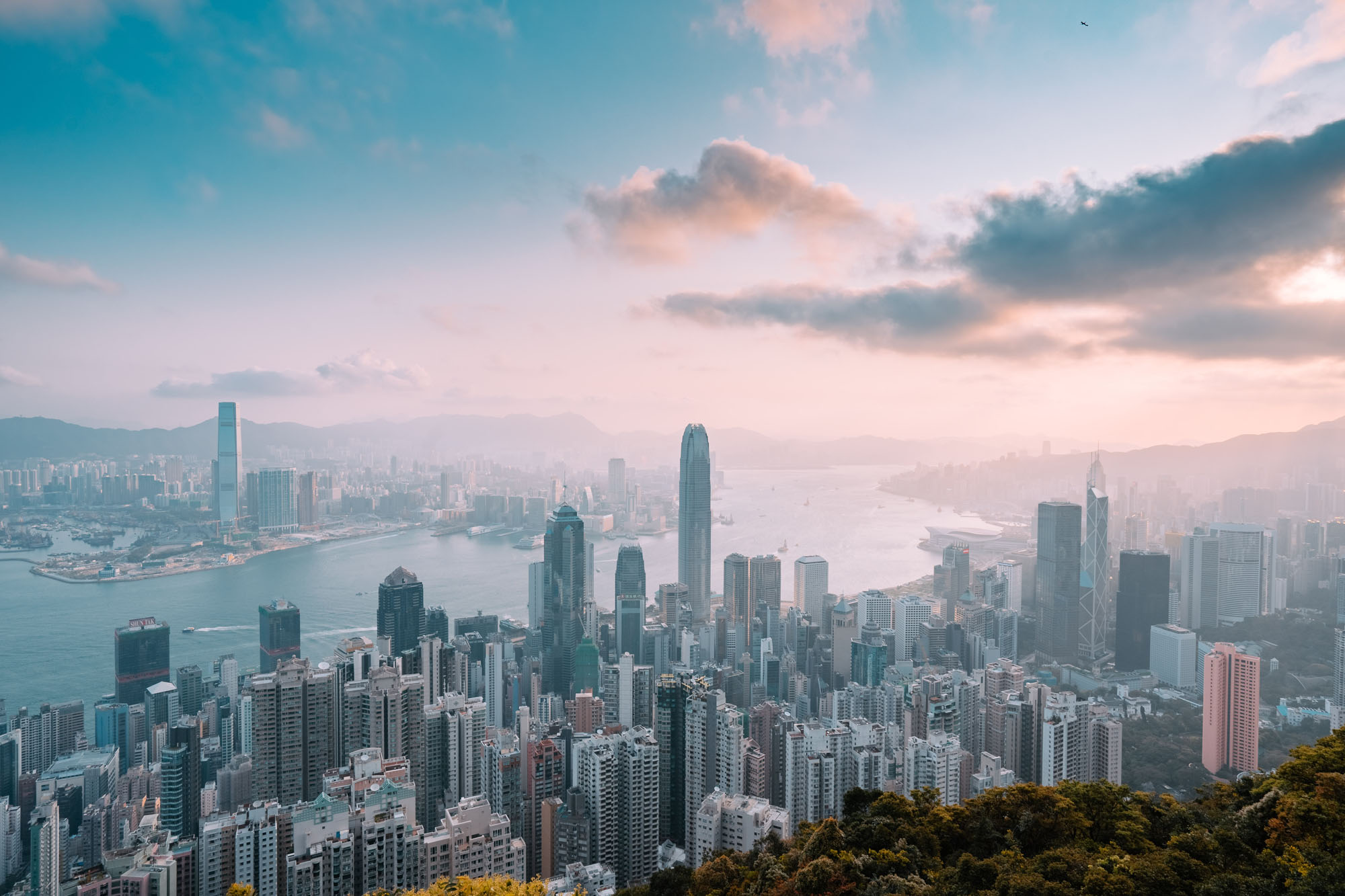
Finally, don’t measure your travels by how many countries you’ve visited. A passport full of stamps doesn’t necessarily make someone a knowledgeable traveller. Spending three days exploring Hong Kong’s islands, markets and hiking trails may teach you far more than rushing through five capitals in a fortnight. Depth often proves more rewarding than breadth.
The world remains astonishingly large. Beyond every famous skyline, postcard beach and bucket-list landmark lies another destination waiting to surprise you—a colourful town, a sacred mountain, an ancient village or a forgotten corner of the desert that may one day become your favourite place of all. The more curious you become, the more those discoveries begin to reveal themselves. And perhaps that’s the greatest travel skill of all: not simply recognising extraordinary places when you see them, but learning to seek out the ones you never expected to find.