Tokyo is currently in the midst of an unprecedented wave of redevelopment, which has brought about a certain uniformity across the cityscape. However, some pockets have managed to evolve without losing the essential character of their old backstreets. Places like Jimbocho.
Since the Meiji era of the late 19th and early 20th centuries, academic institutions like Meiji University have sprung up in the neighbourhood. To meet the needs of students and academics, bookshops and publishers followed suit, eventually forming one of the largest second-hand book districts in the world.
The Iwanami Hall arthouse cinema closed in 2022 after more than 50 years, to the great chagrin of local film lovers, yet the cultural flame has not gone out: a new mini theatre, CineMalice, opened in December 2025. The area’s number-one ranking in Time Out’s 2025 list of the “coolest neighbourhoods in the world” is emblematic. Second-hand bookshops, coffee shops and backstreets still redolent of the mid-century Showa era resonate with modern creative sensibilities, giving rise to a magnetic new energy.
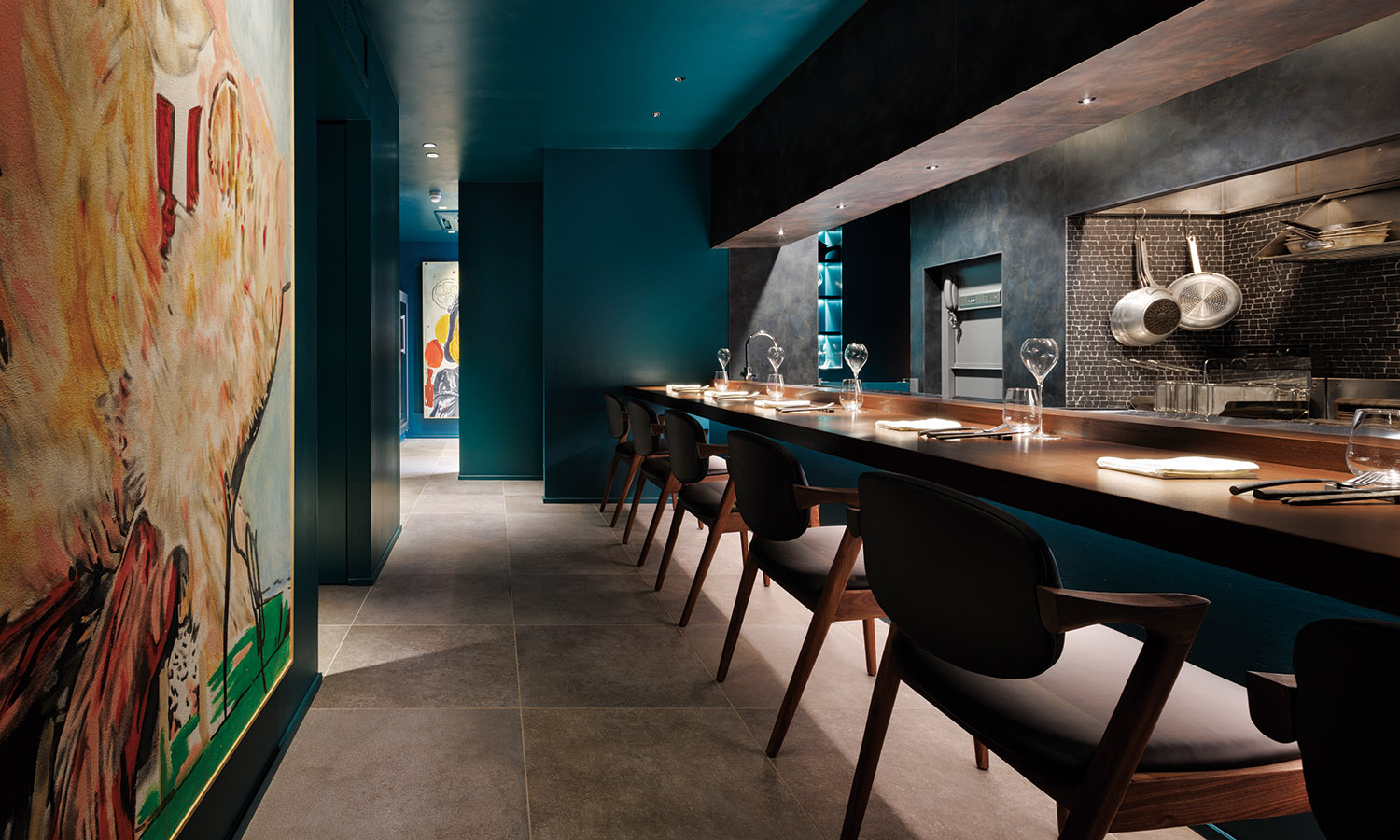
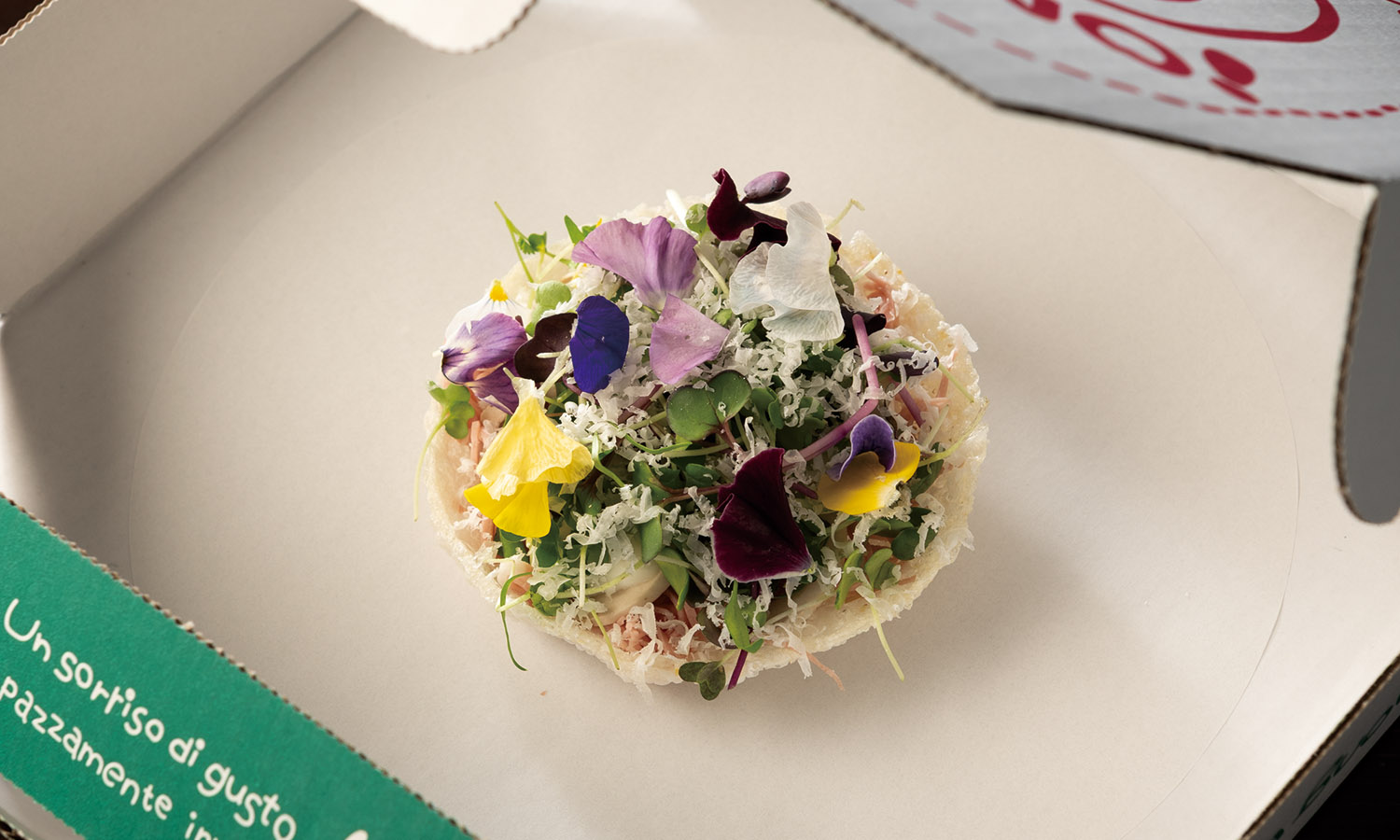
In the past, Jimbocho’s culinary scene was dominated by student-friendly curry and tempura spots, but the area is now attracting notice as a foodie destination. Just off the intersection of Yasukuni-dori and Hakusan-dori, down a side street away from the crowds, is the discreet Alter Ego. Inaugurated in 2019 on the former location of Den, it is the only Japanese outpost of Milan-based Yoji Tokuyoshi, the first Japanese owner-chef to earn a Michelin star in Italy for his Ristorante Tokuyoshi.
Reopened in September 2025 after refurbishment, Alter Ego deepens its winning philosophy further, avoiding stuffiness while maintaining a refined experience. Its concept of “Italian cuisine expressed through Japanese ingredients” is clear from the first dish of the omakase course – a “pizza delivery” capturing both playfulness and technical skill. Lifting the lid on the small pizza box reveals a jewel-like capricciosa, the rice-flour dough feather-light. À la carte offerings are also available.
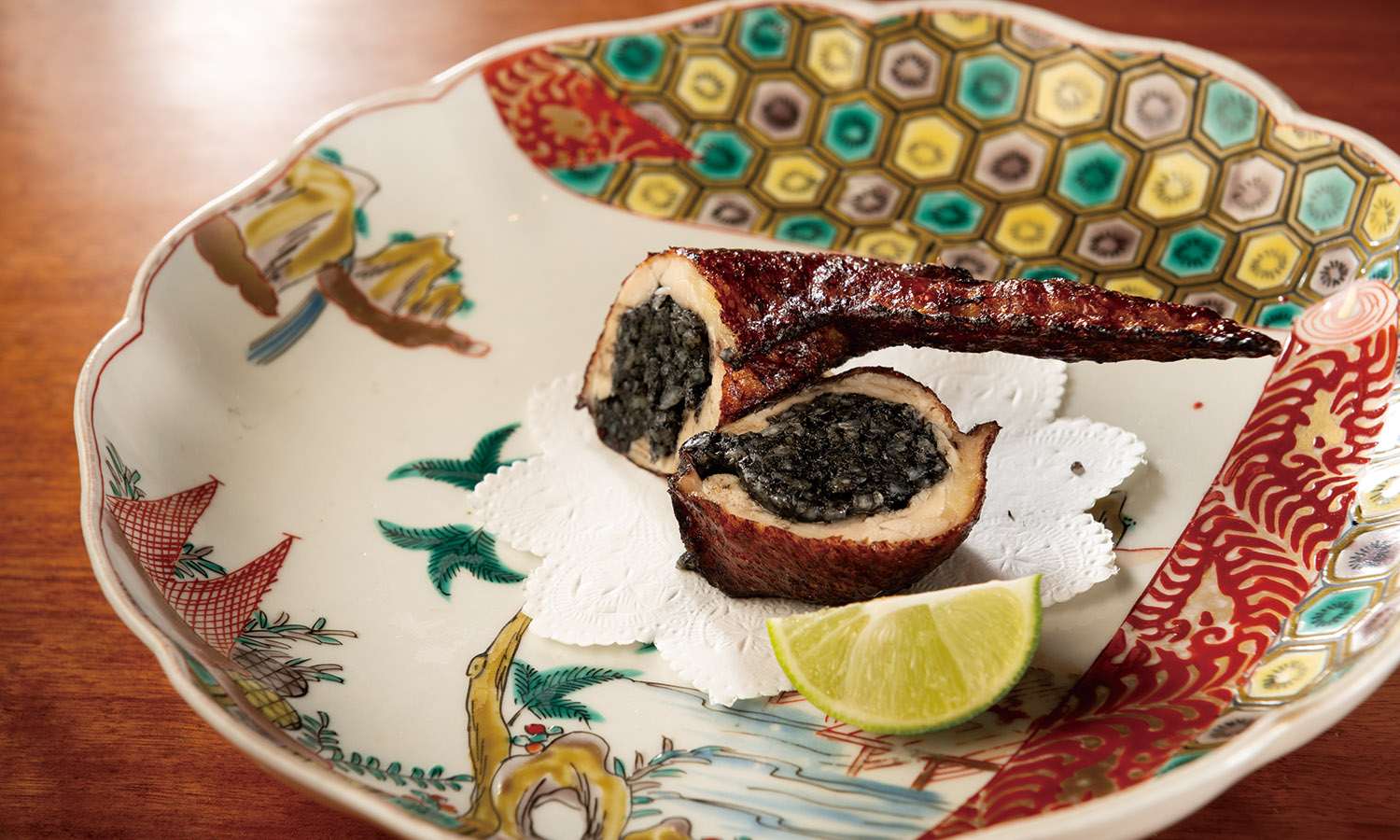
Further towards Suidobashi is an eatery that resists categorisation. At Jimbocho Gokita, the cooking could be described as yakitori combined with French technique. Chef and proprietor Yuto Gokita chose the skewer grilling style as a format to focus on poultry, which he favours. Hinai chicken, French pigeon and duck are prepared using methods suited to each cut – charcoal grilling, wood fire, confit – and finished with sauces that bring a distinctly Gallic flair. The result is not simply distinctive yakitori, but a polished, French-inflected plate that pairs naturally with wine.
If Jimbocho is a centre of knowledge, Nihonbashi began as a hub of logistics and commerce. It originally flourished as the starting point of the Five Highways, the road network built in the Edo period, and later became the financial engine that drove the nation’s modernisation.
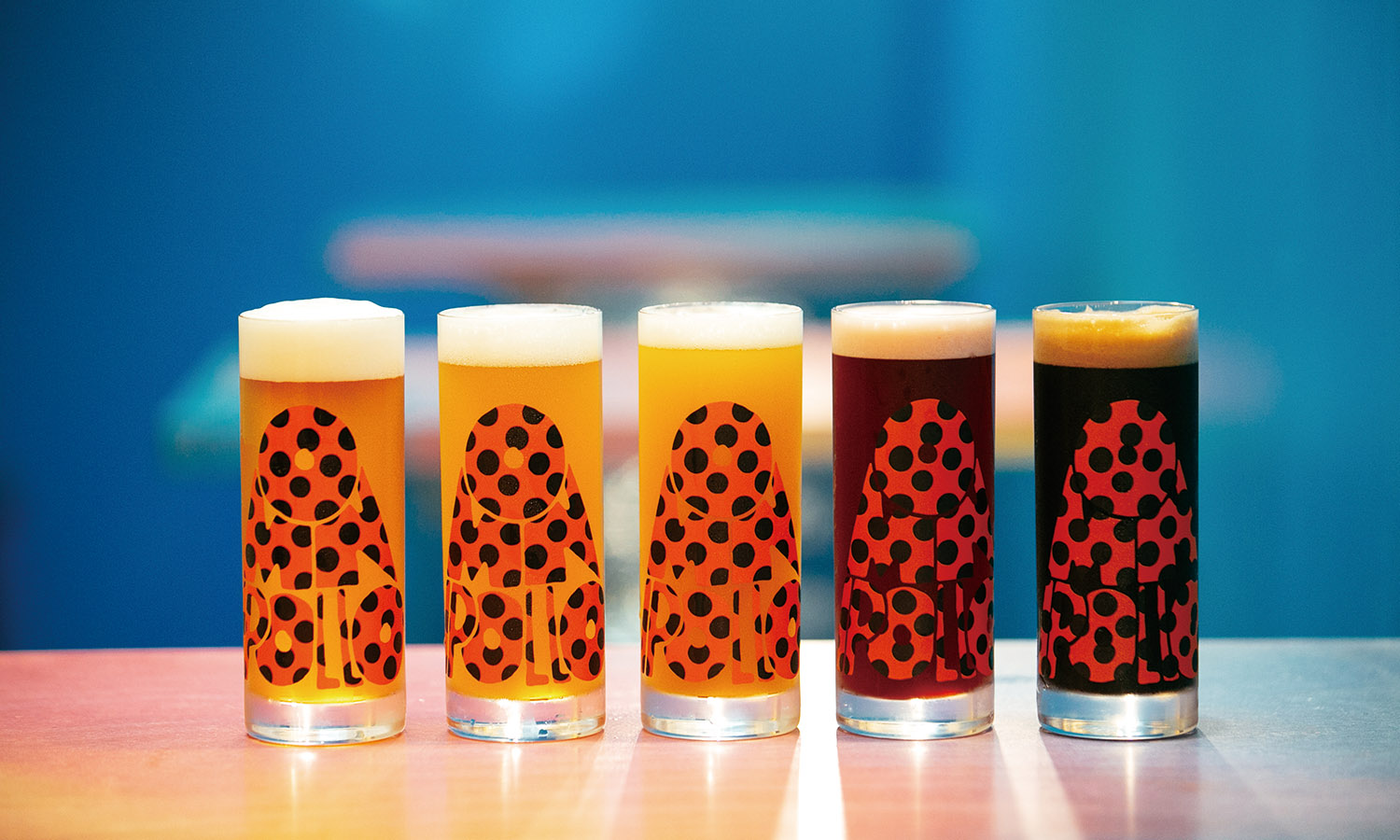
Across Nihonbashi Bridge lies Kabutocho, once known as the local version of Wall Street. Here, in place of a long-established eel restaurant once frequented by stockbrokers, you’ll find Omnipollos Tokyo, a craft-beer producer from Stockholm. Behind its traditional wooden exterior awaits a vivid pop-art interior – a contrast that speaks to the brand’s penchant for combining the customary with the innovative. “Dessert-style” flavoured beers are poured from a machine that looks like an ice-cream dispenser, and T-shirts and glassware in the shop make for excellent gifts and souvenirs.
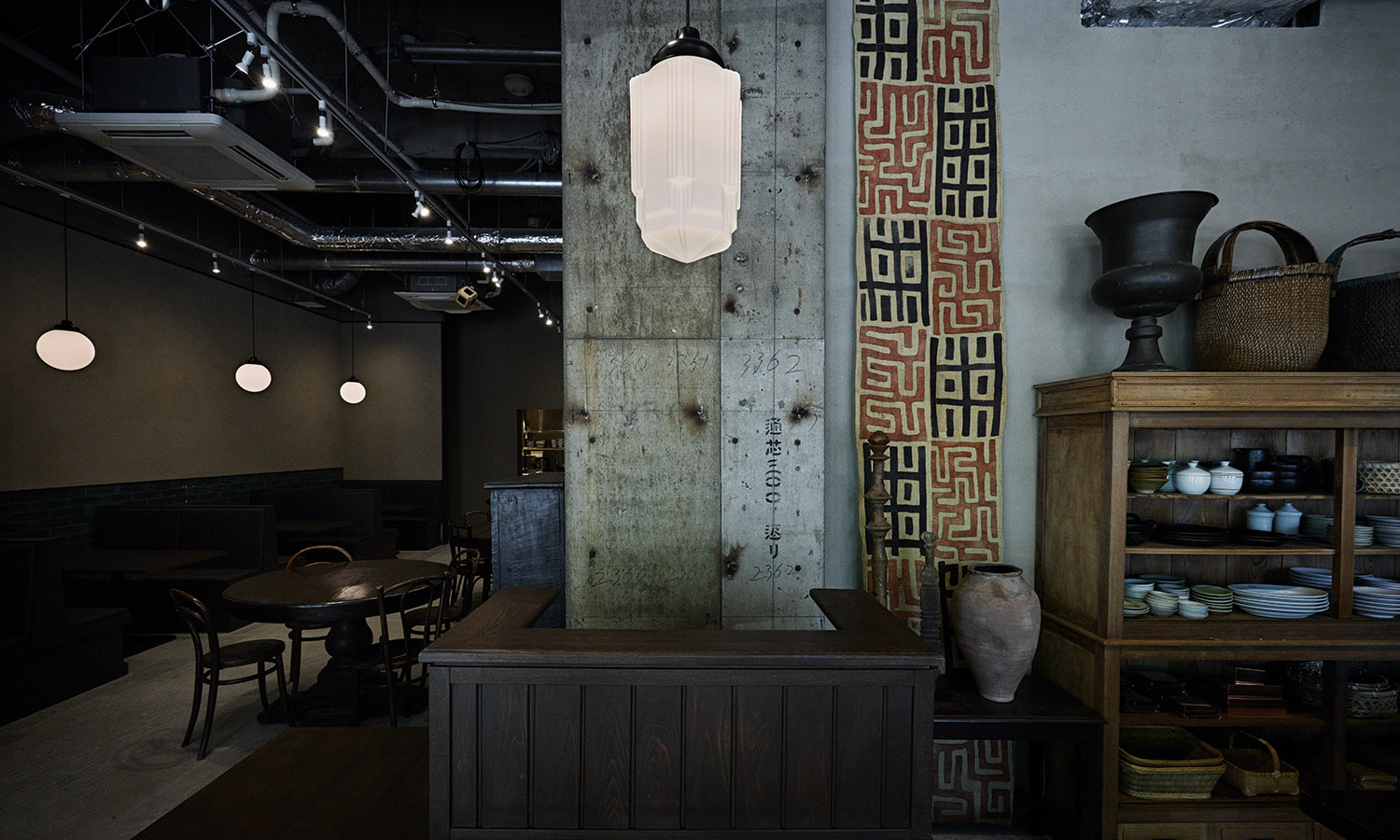
A short walk through narrow alleyways will bring you to Casica Kabutocho, which opened in 2025 as the second outpost of homeware purveyor Casica. The hybrid location combines a multi-national Asian restaurant with a retail space offering furniture, antiques and tea wares drawing on everyday life across Asia. The menu features Taiwanese tea curated by Taiwanese master Hsieh Hsiao-Man, alongside a cross-continental cuisine developed in-house. Dishes such as dim sum, Thai curry and Hainanese chicken rice are gentle, restorative and quietly toothsome, and the ambience is one of curative tranquillity.
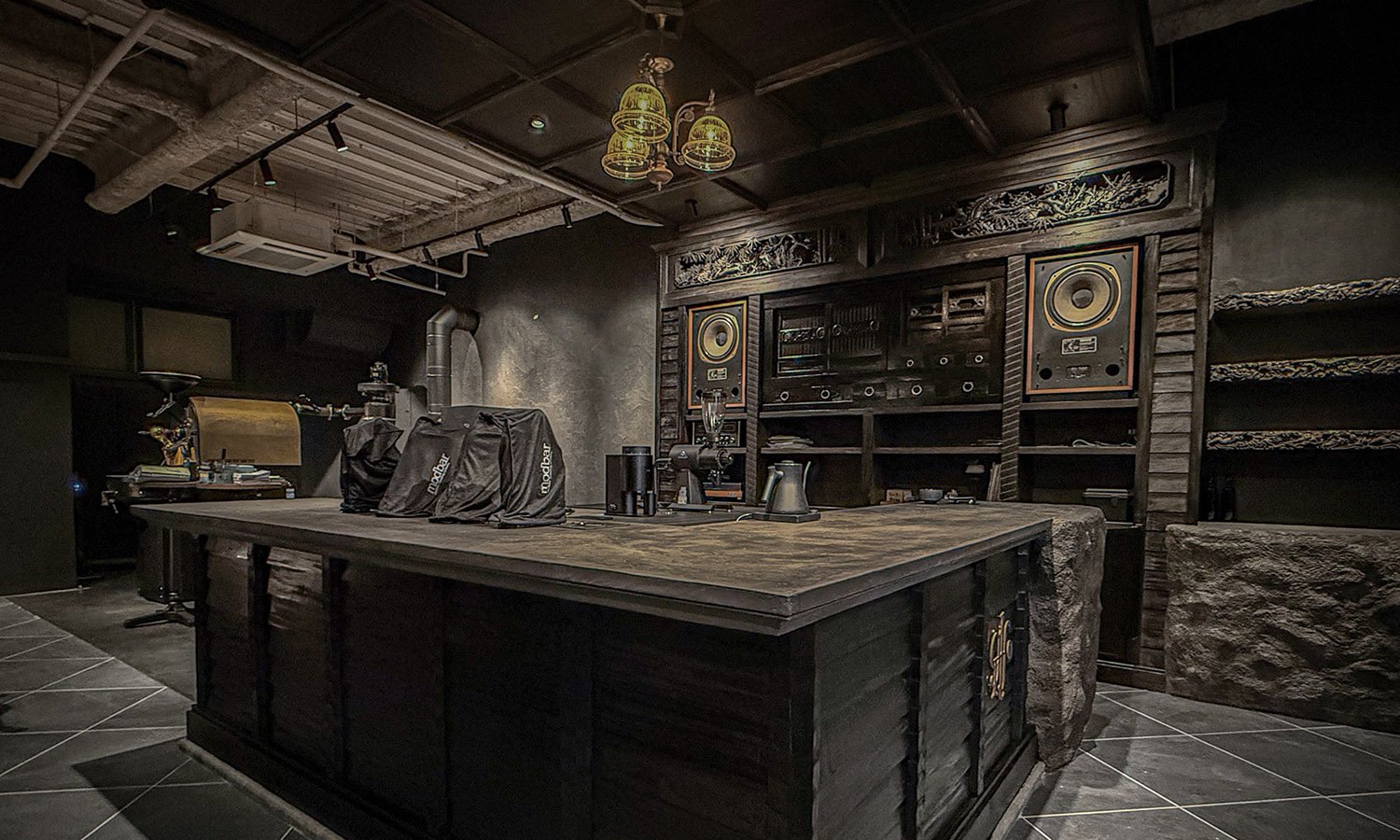
Finally, for coffee, there is Glitch Tokyo, a flagship of the Glitch Coffee brand founded in Jimbocho and now recognised globally. Owner Kiyokazu Suzuki describes his approach as a reinterpretation of old-world Japan, and the calm, restrained venue features Bonsai trees, carved transoms, a Harley-Davidson cafe racer and Tannoy speakers, all coexisting within a dark interior unified by a strong aesthetic sensibility. The focus is on high-quality single-origin beans with clear traceability, selected with attention to processing and fermentation and brewed by hand to draw out their character. Exploring the complex aromas invites reflection on the history of the city itself.
What connects Jimbocho and Nihonbashi is the way they respect the memory of place while allowing today’s creators to break through. This deep-rooted yet still growing landscape is what continues to entice travellers and diners alike; it offers a sense of time that redevelopment alone cannot recreate.