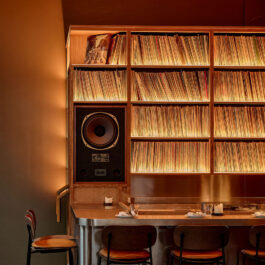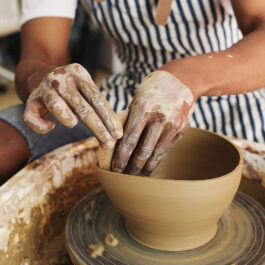
When it comes to interiors, there’s a fine line between “thoughtfully designed” and “too perfect for use”. The so-called “lived-in look”, however, hits that sweet spot in between. A sort of highly controlled chaos, it’s neither too random nor too rigid, with an effect that’s both intentional and inviting – but like all Goldilocks effects, it’s tricky to achieve. From timeless colours and soft lighting to subtle irregularities and personal details, we show you how to avoid both loud maximalism and cold minimalism while creating a home as unique as you.
An Understated Foundation
Timeless interiors always begin with restraint. But “neutral” isn’t a synonym for “boring”; it means flexibility. Warm white, soft slate, chalky taupe, gentle beige – any muted earthy tone can act as a canvas that evolves with you and makes it easier to introduce trendier accent colours and motifs without demanding a full redesign every few years.
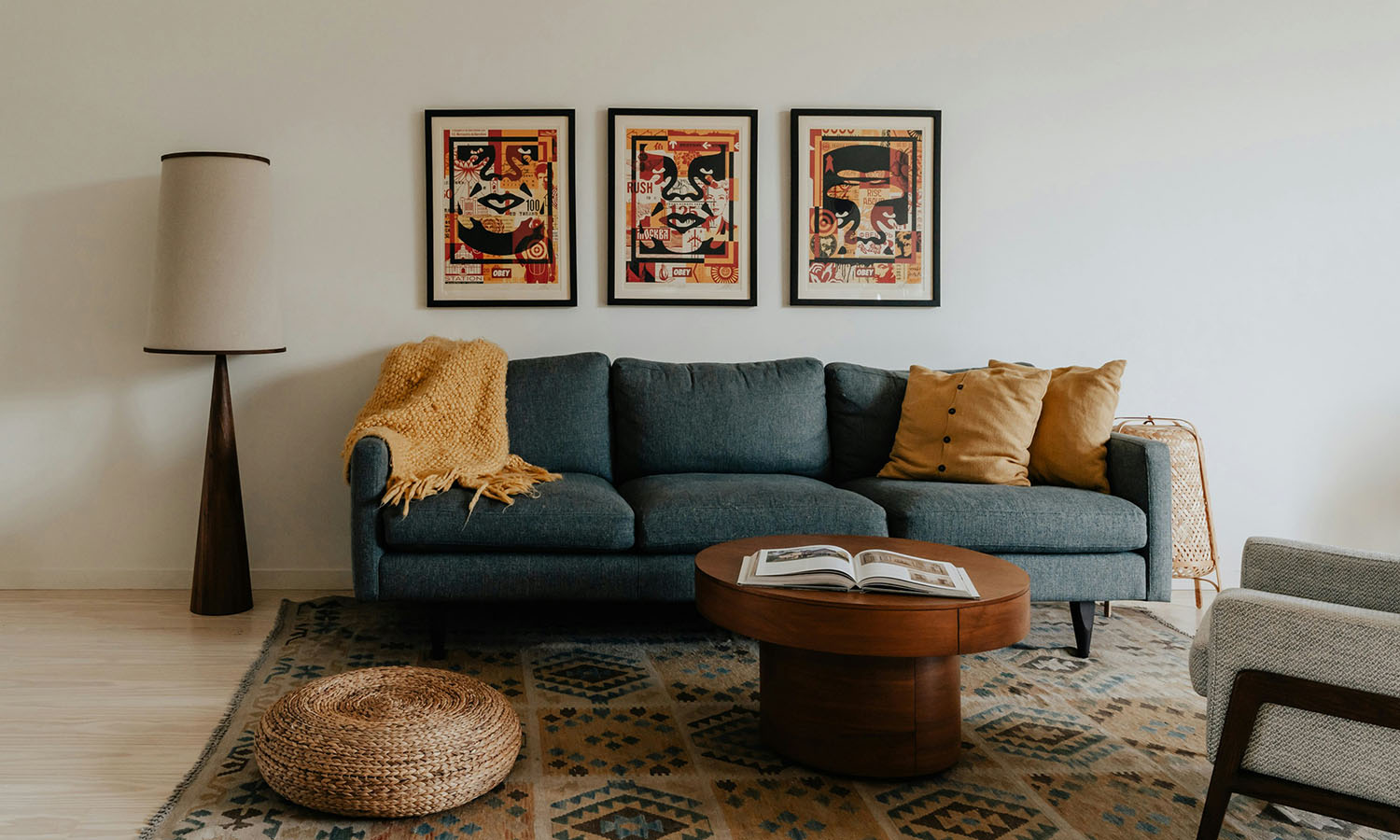
For understated colour integration, lean into nuanced neutrals with warmth, which are on-trend right now and likely to remain so. Think plaster pinks, mushroom browns, creamy ivories – hues that feel clean and timeless, but also more natural. Just avoid anything too cool or too high-contrast, and bring bolder colour in through pillows, art and textiles instead of sofas and paint jobs, as small pops from removable items are easier to swap than entire walls or big-ticket furniture.
Curate What Matters
A lived-in home certainly doesn’t have empty shelves or gallery-style showroom austerity, but it’s also not crammed to the gills with knick-knacks. Here, it’s all about intention and editing, keeping only the items that serve a purpose or add visual value – in other words, every piece must earn its place. A bowl you always use, a lamp you love turning on at night, books you actually read (or plan to). When things are chosen with care – and not to fit a specific aesthetic – even the simplest room seems rich and collected rather than cluttered.
Remember that personal items are what make a place a home. From travel souvenirs to photo collages, kids’ artwork and inherited pieces, these distinctive details carry stories and emotion that no trend can replicate. Display them casually, not too perfectly: a framed drawing leaning on a shelf, photos pinned loosely, seemingly misfit objects layered with existing decor. These touches add warmth, memory and personality, making the space feel authentically lived-in and uniquely yours.
Mix The Old With The New
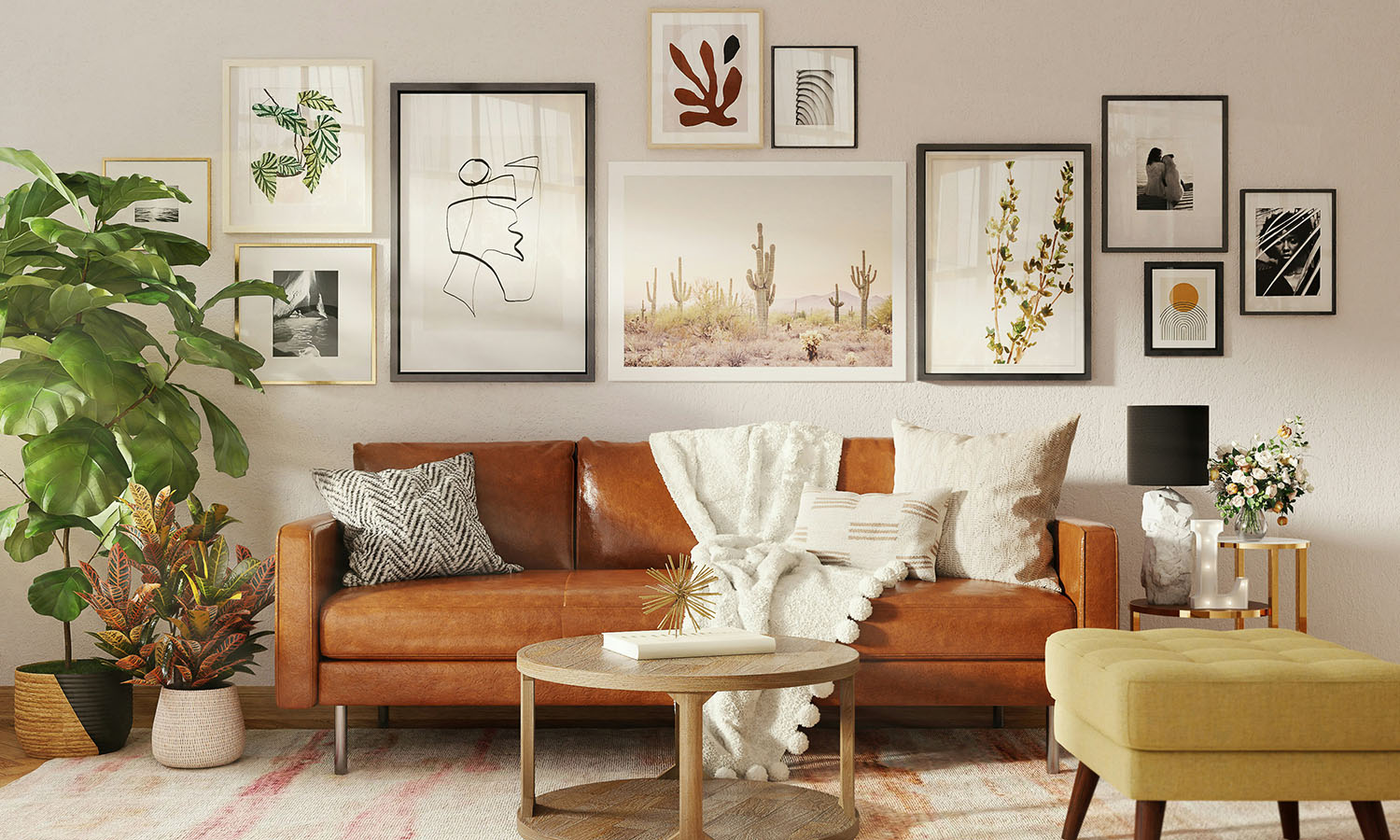
We’ve all felt it: a place that’s perfectly cohesive can have a stale, static aura. The easiest way to avoid this is to incorporate pieces from different times and trends. Pair a contemporary sofa with a vintage side table. Hang modern photography above an antique console. Mix mid-century lines with something rustic or artisanal.
This contrast creates depth and makes the room appear as if it evolved naturally, while maintaining visual interest in the long term. Vintage and second-hand pieces are of course having a major moment, with their appeal lying in the fact that they never go out of style. However, aim for balance: not everything needs a story, but not everything has to be brand new, either.
Prioritise Comfort And Function
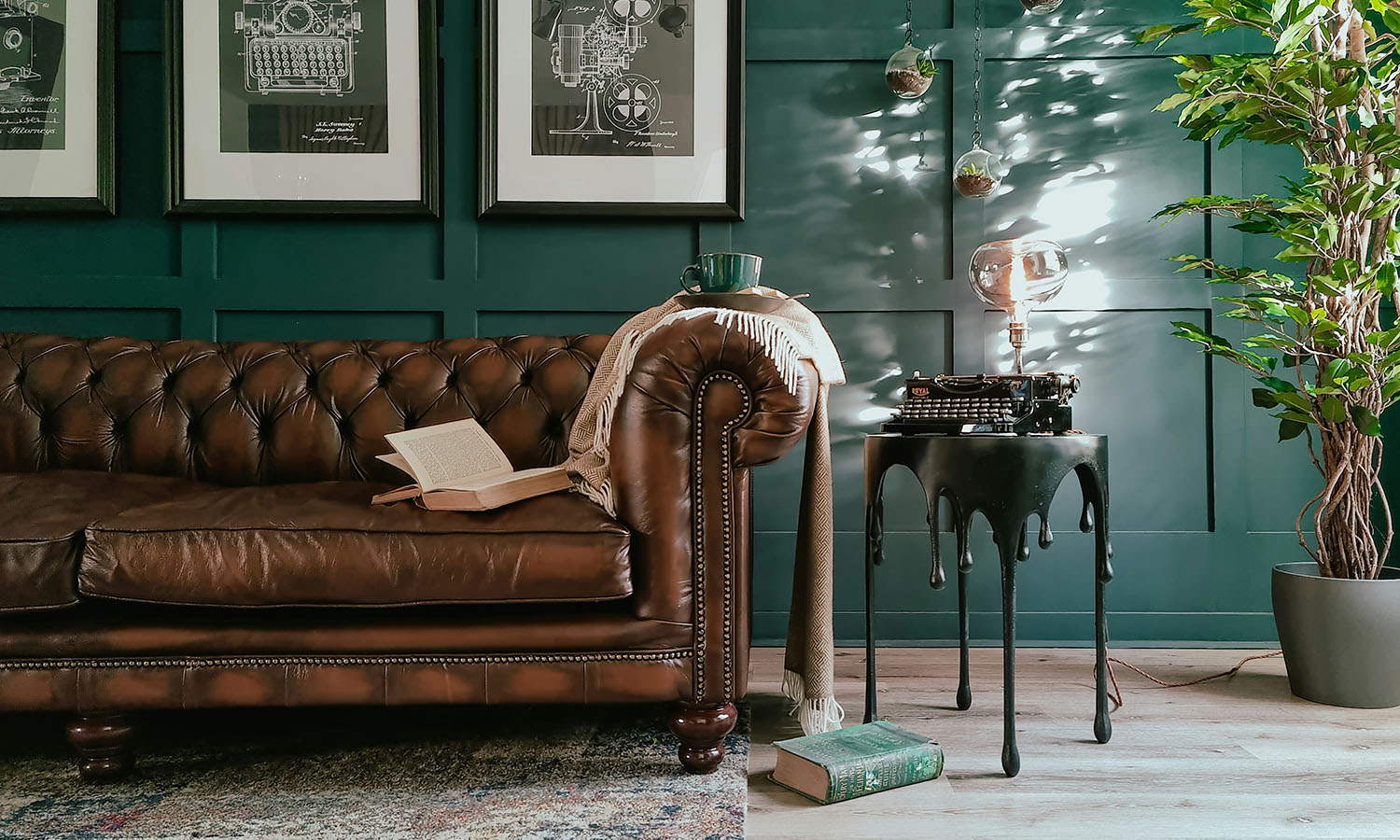
One reason lived-in spaces are gaining popularity is that they prioritise comfort without sacrificing aesthetics. A chair that looks perfect but hurts your back will never truly belong and will just add to the clutter. Sofas should invite you to sit, chairs should feel solid, and fabrics should be pleasant to touch. When comfort leads, rooms automatically exude a more approachable air.
The same goes for use: design with real life in mind. The most convincing lived-in homes are styled with objects that actually get used: books you’ve read, ceramics you reach for daily, a throw draped where you sit. These details aren’t just decorative; they’re also evidence of routines, habits and a house that’s undoubtedly a home.
Embrace Imperfections
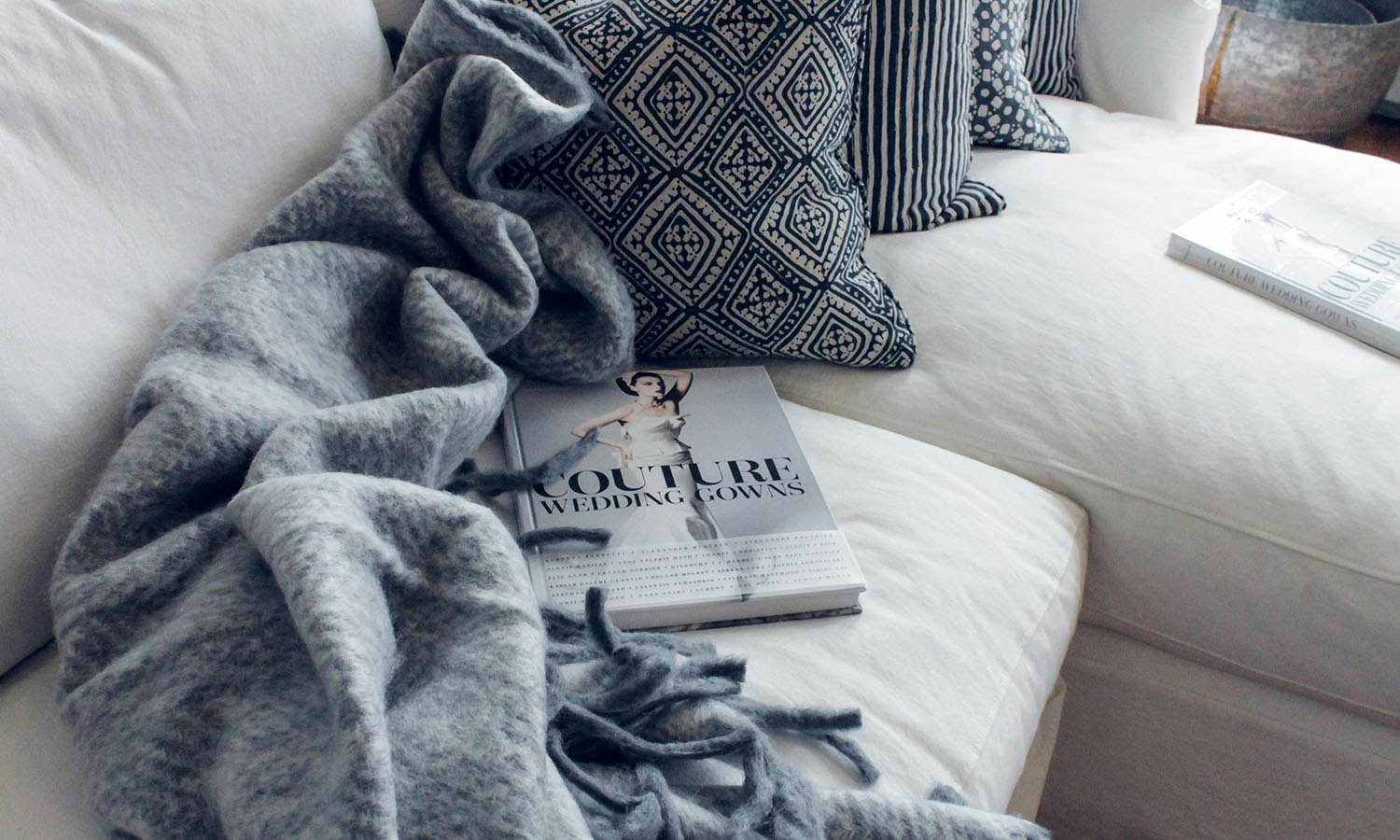
While colour is often a main focus for interior amateurs, texture is what keeps a room from feeling flat and boring. Even when picking the most neutral palette, a room comes alive when different materials are layered together – ideally natural ones. For example, pair linen curtains with a wool rug, or a leather chair and a wooden table with visible grain. You don’t necessarily need bold patterns or loud colours. Texture does the background work and adds a human touch.
Also, don’t fear imperfection; embrace it. Natural materials like wood, linen, stone, leather or ceramic age beautifully and gain depth over time. A solid oak table with a couple of scratches, a ceramic lamp with a wavering glaze, linen curtains that wrinkle by noon, a picture frame with chipping paint – slightly irregular finishes and handmade details are what give a space its soul. The signs of use are also the signs of life.
Go Green
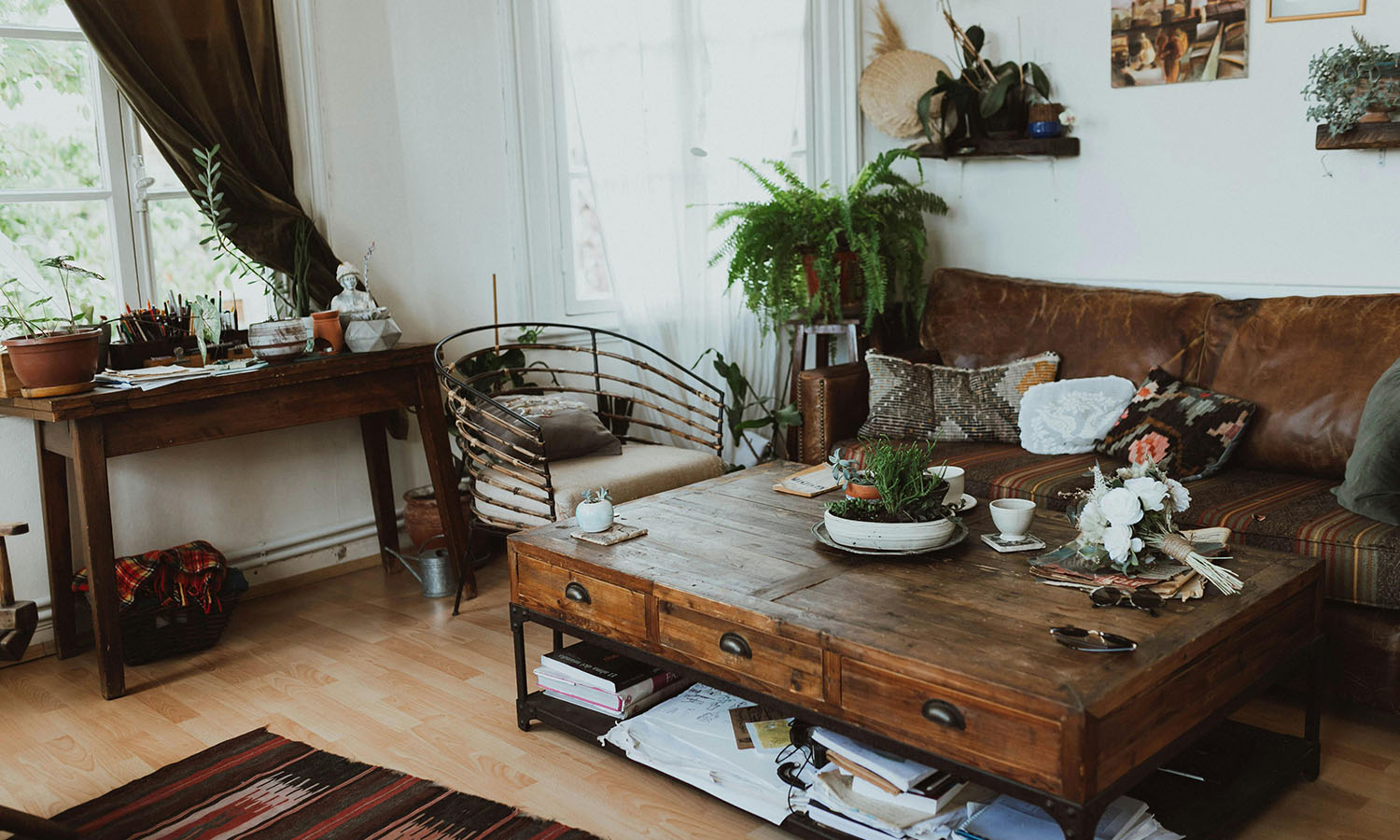
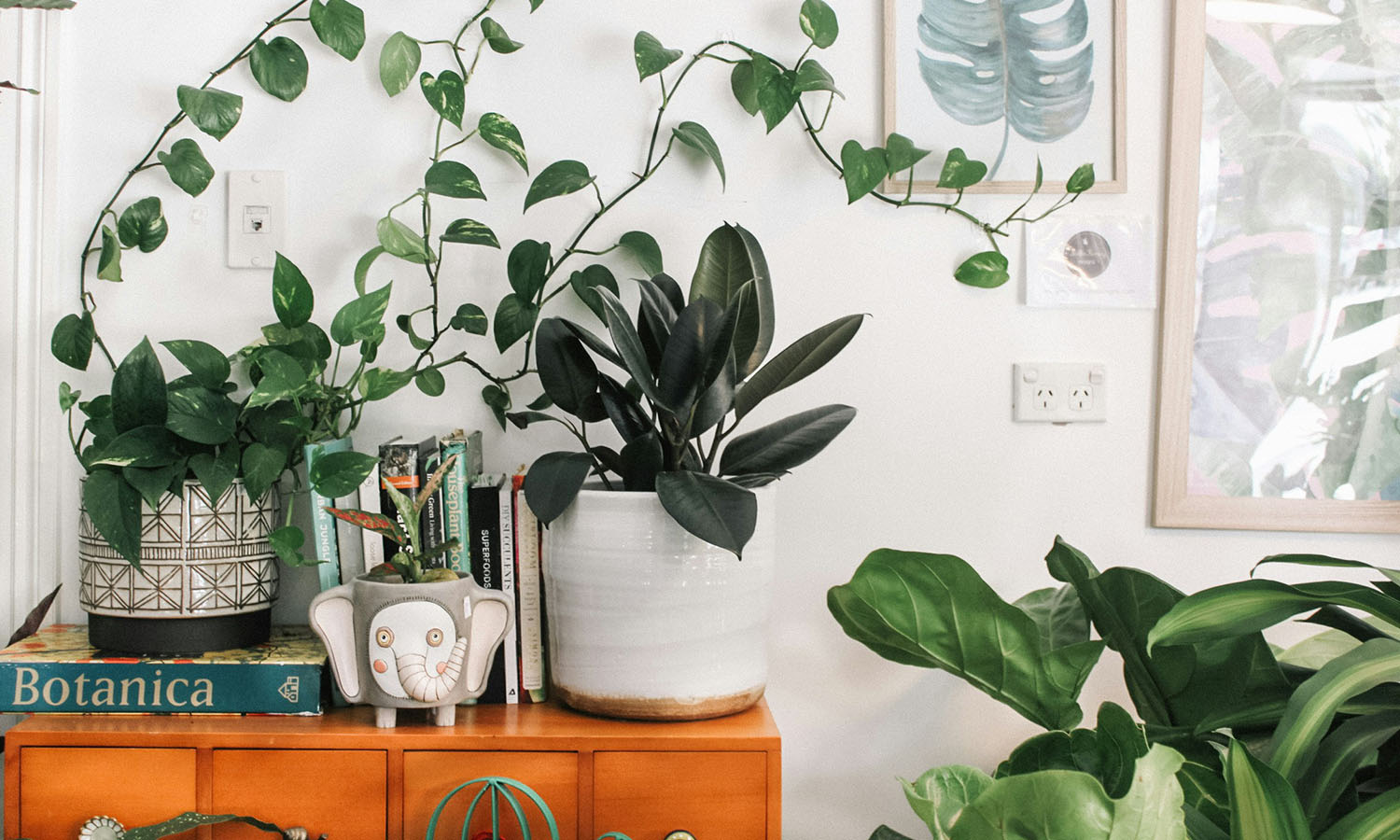
There’s no simpler way to make a room feel lived-in than by populating it with actual living things. Plants are an instant shortcut to that homey vibe, as they add colour, texture and a sense of movement, making everything look less staged and more alive. Team up large plants with smaller potted ones, mix pot colours and materials, place them at different heights, and use them to decorate shelves or windowsills.
Even a single well-placed piece of greenery can soften hard lines and enliven a room. Not got a green thumb? Choose easy-to-care-for varieties like snake plants or fiddle-leaf figs, so your home reads as naturally inhabited with minimal effort.
Let Light Set The Mood
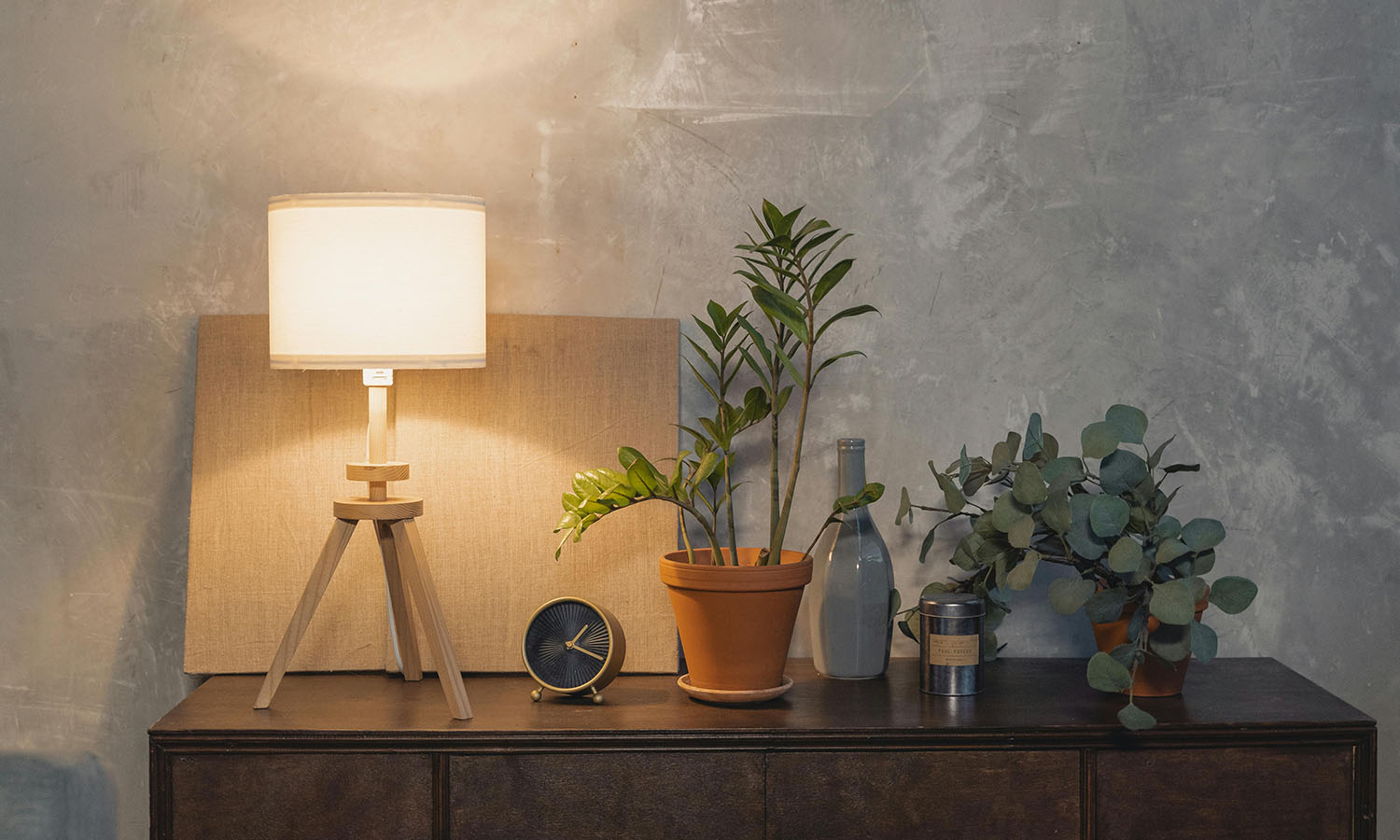
Another underrated element of design, lighting can make or break a room. Relying on a single ceiling fixture flattens a space, while layering with lamps, sconces, pendants and recessed fixtures can bring it to life. Combine ambient glow with task and accent lighting at different heights: a table lamp by the sofa, a floor lamp in a corner, and wall lights to highlight textures. When light comes from multiple sources, shadows become more intentional, spaces are more flexible, and the room naturally takes on a more lived-in quality.
While you’re at it, always opt for warm-toned bulbs to soften colours and complexions. Leave the cold white lighting for the garage and other utility rooms.
Ground The Space
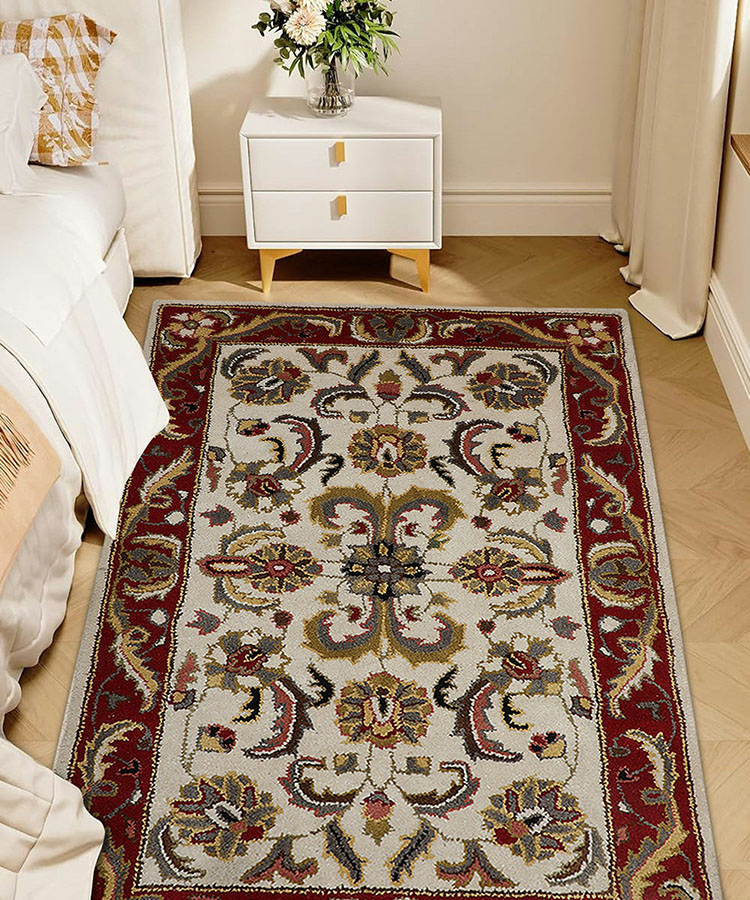
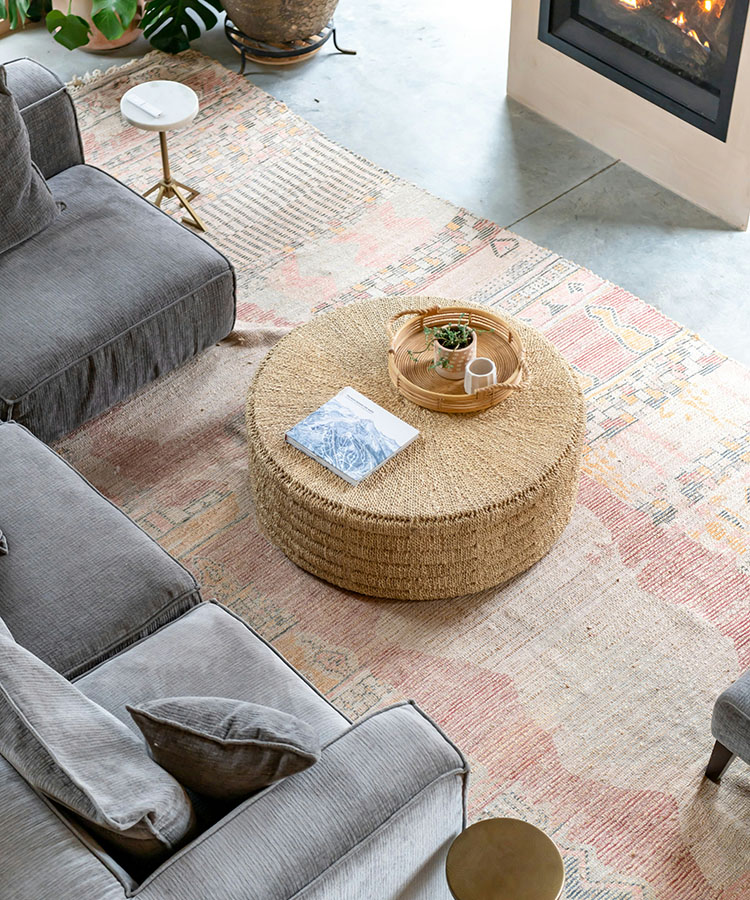
Rugs do a lot of heavy lifting in a lived-in interior. They anchor furniture, absorb sound and instantly add warmth to a space that may otherwise seem too cold, sharp or unfinished. Go bigger than you think: a large neutrally coloured rug that sits fully under key pieces creates cohesion and calm. Then, layer to add depth. Place a smaller patterned or textured rug over the larger neutral one for visual complexity. Finally, note that natural fibres, muted colours and slightly worn finishes age beautifully, making a room feel settled, relaxed and genuinely lived-in, rather than staged.