Chiharu Shiota: The Soul Trembles
Montreal Museum of Fine Arts
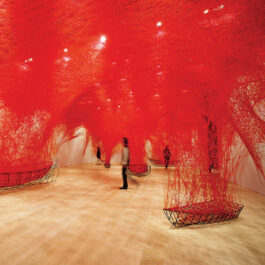
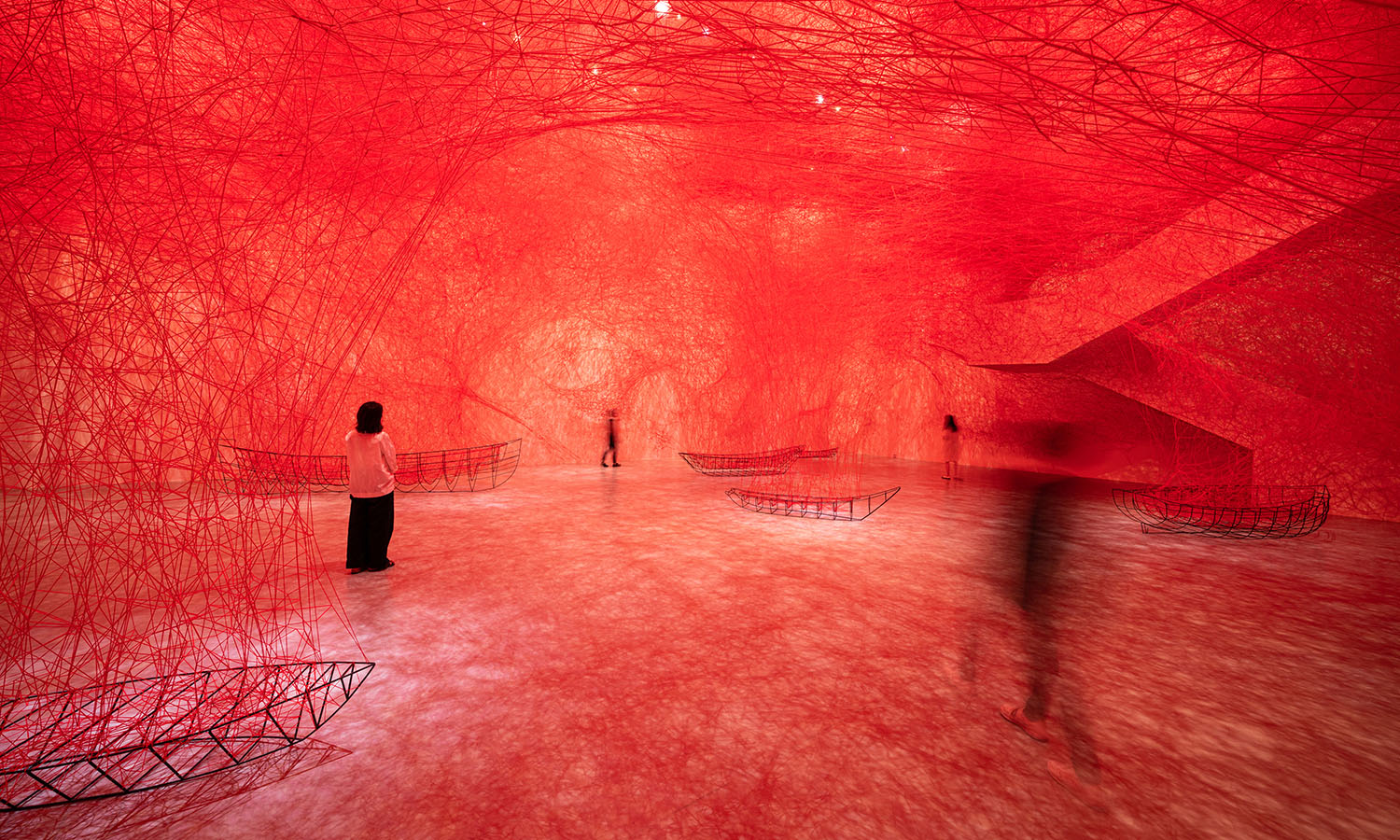
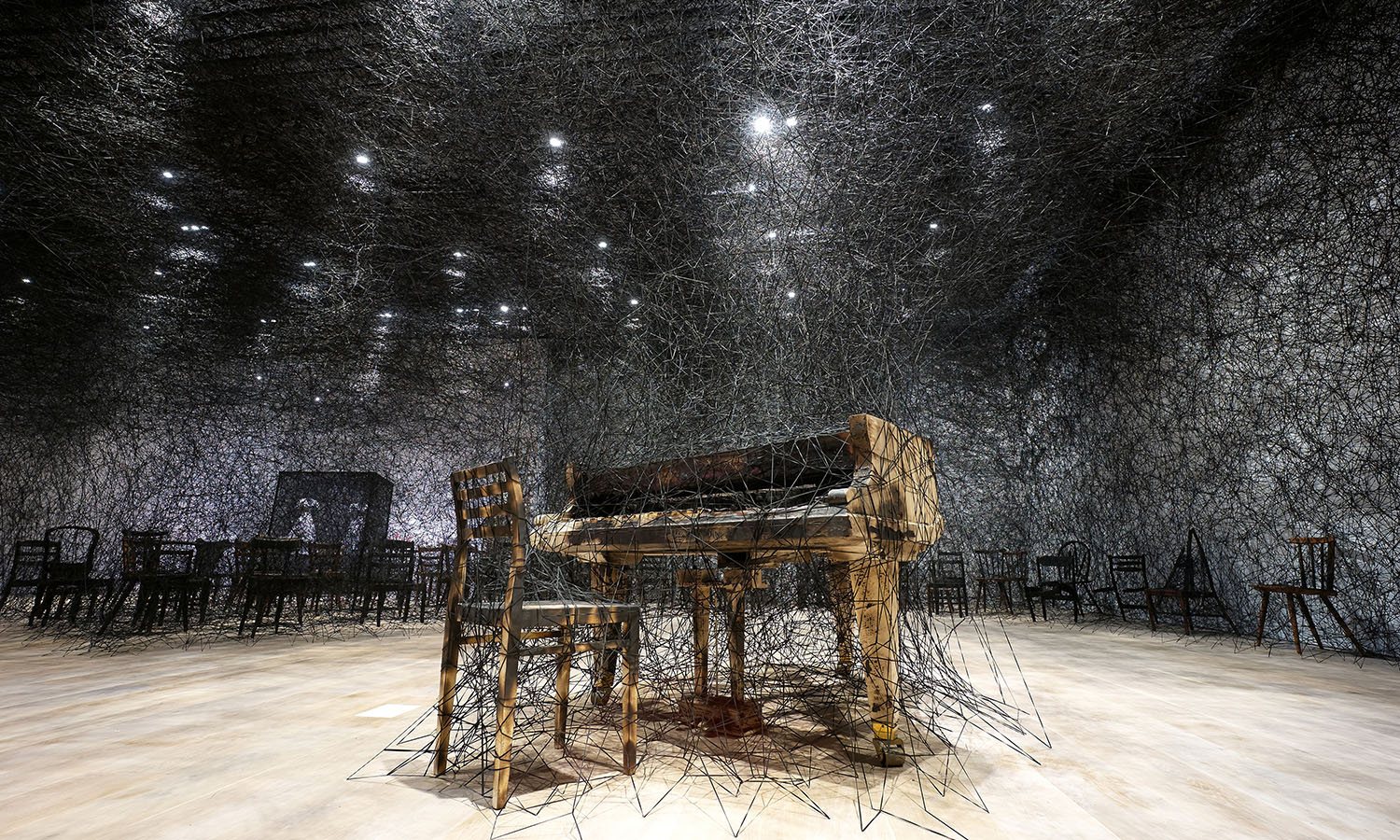
Over the past decade, Chiharu Shiota’s vast thread installations have become all but synonymous with Japanese contemporary art. Her largest retrospective to date alights in Montreal this autumn as its first stop in North America. The immersive, site-specific installations – woven by hand, in situ, by Shiota and her team – are themselves a contemplative act, realising her instantly recognisable visual language of fragility, time and memory. Arranged chronologically, the exhibition traces her artistic journey across more than three decades. Until 14 February 2027.
Yuko Mohri
The Bass Museum of Art, Miami, & the Barbican, London
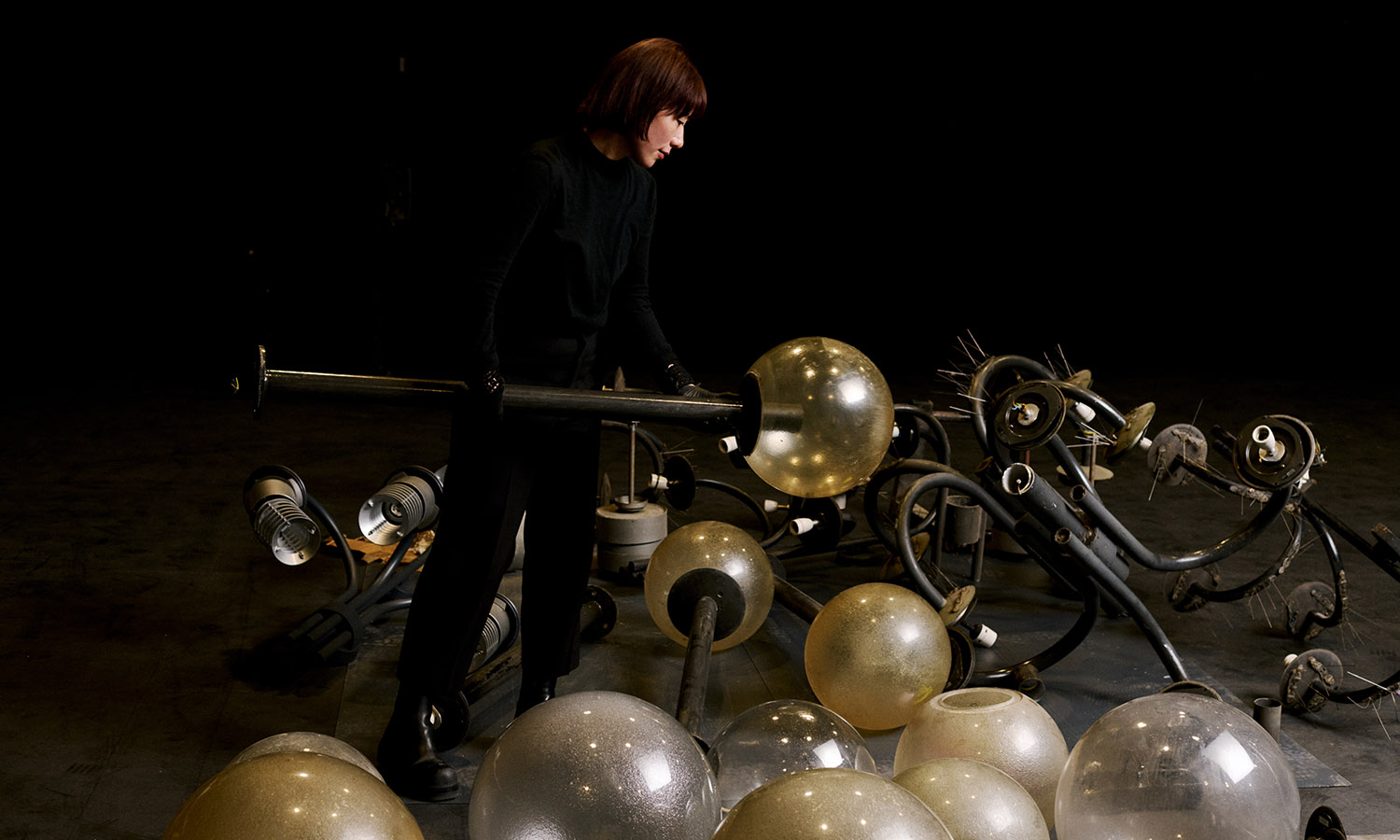
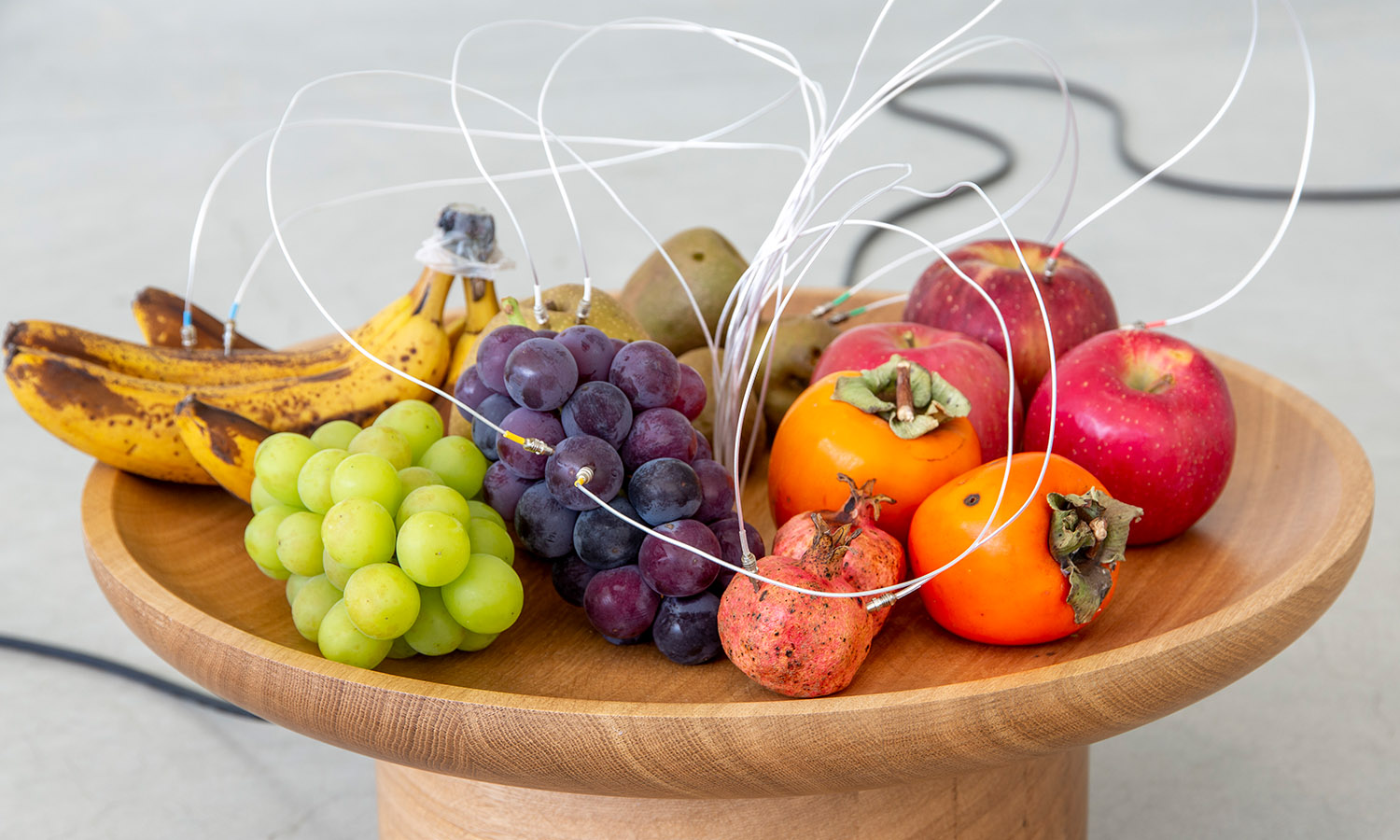
Apples, plastic sheeting and household furniture are among the everyday objects that populate the Kanagawa-born artist’s kinetic, acoustic and gently humorous installations. These “unstable elements”, as she calls them, respond to the galleries’ atmospheric conditions – a portrait in miniature of our society, hinting at the fragility of coexistence, resilience and impermanence. Drawing on the makeshift repairs seen across Japan – improvised by well-meaning individuals to stem a leak or patch a fault – Mohri speaks a creative language of compassion, improvisation and transience, often working with locally sourced objects. Her shows include the Barbican in London and her first solo exhibition at a US institution, the Bass Museum of Art in Miami. Until 30 May 2027 in Miami; 1 October 2026 – 24 January 2027 in London.
Leiko Ikemura: TransLucent
Gallerie dell’Accademia, Venice
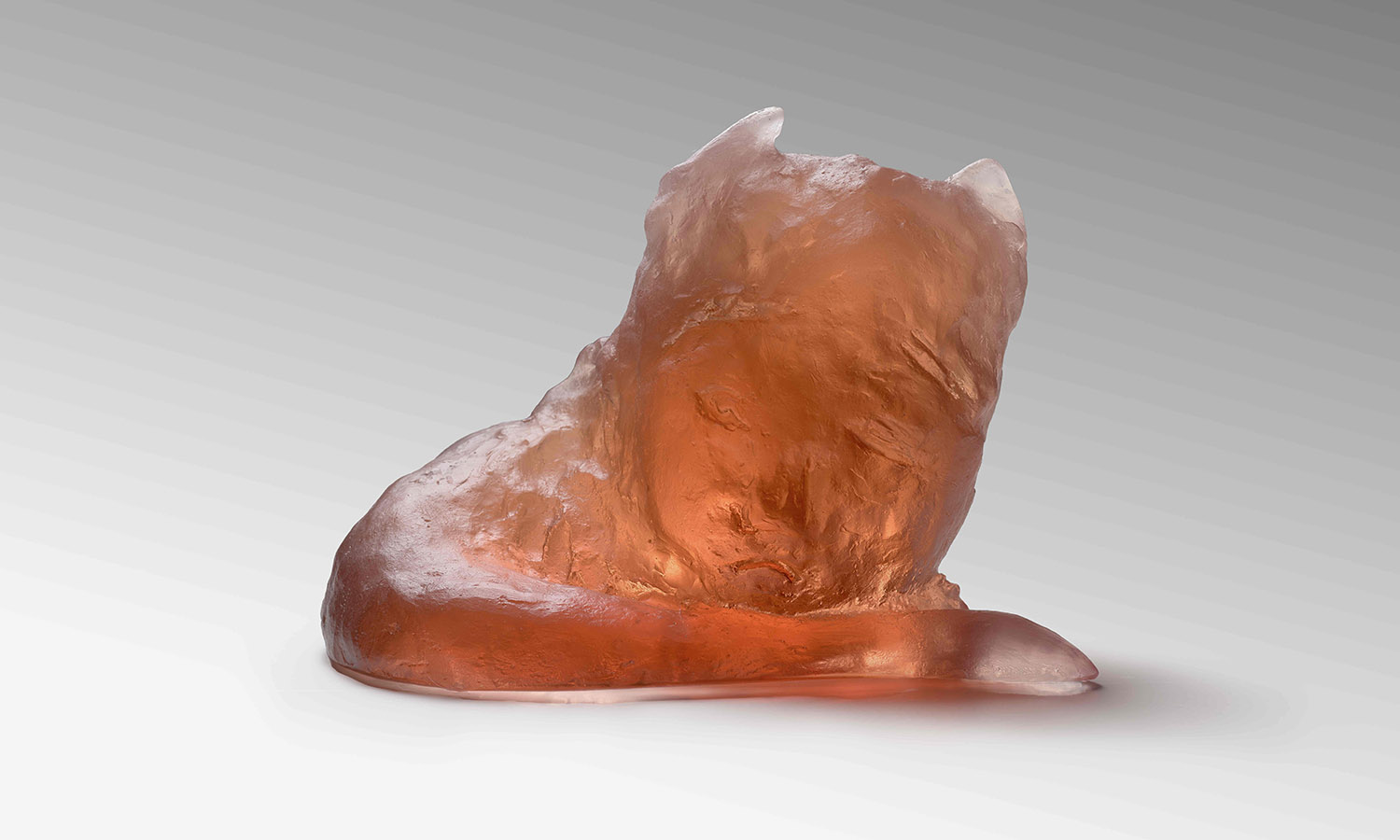
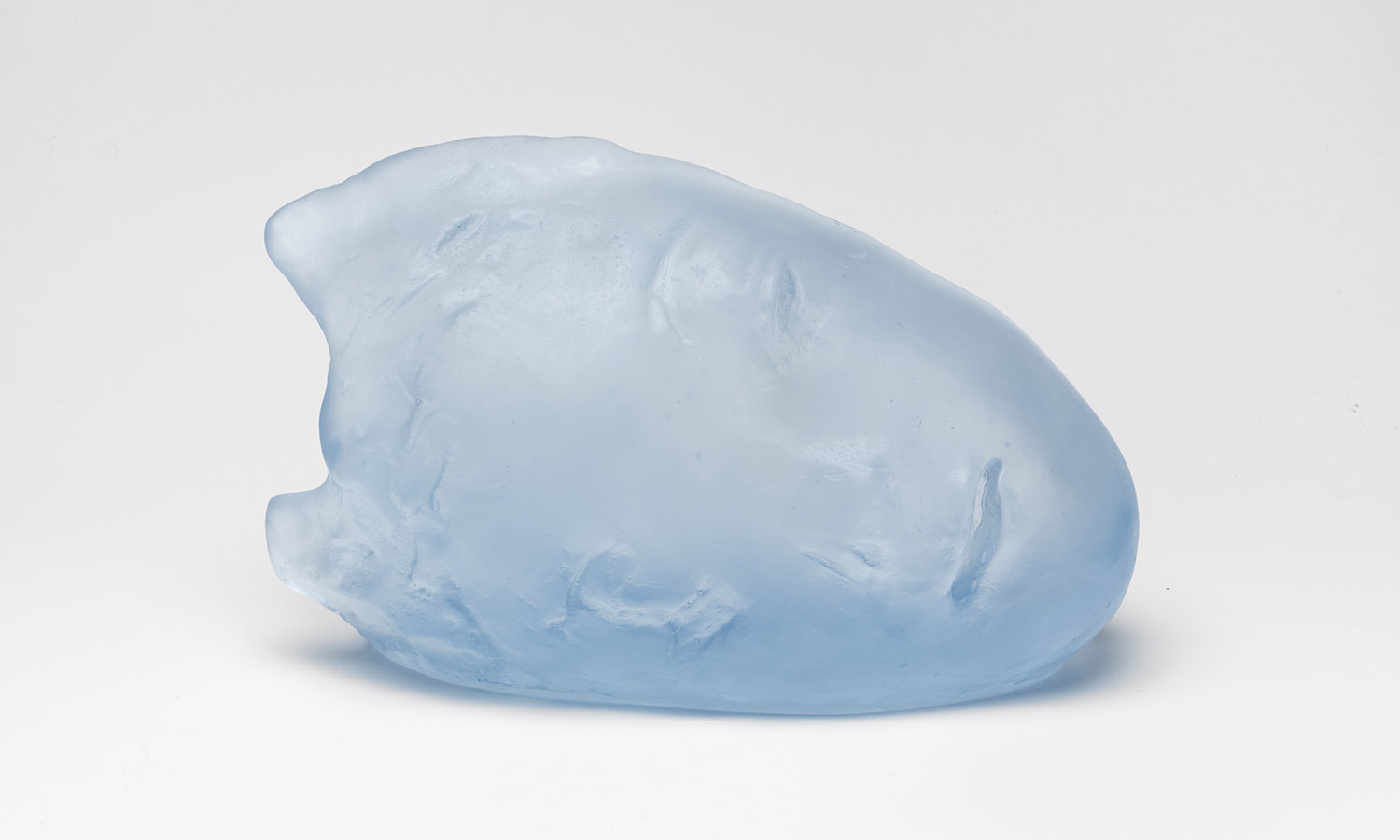
The multimedia artist moved to Switzerland in the 1970s, turning her back on a conservative society ordered by rigid hierarchies and clearly prescribed roles in her native Japan. Throughout her career, the Osaka-trained talent resisted any fixed genre as she explored ideas of ambiguity, in-betweenness and flux across a wide range of media, including glass sculpture, the subject of this exhibition in one of Venice’s most prestigious art institutions. Entering into dialogue with the museum’s permanent collection, her pieces hold their own against epic works by masters such as Carpaccio, Canova and Titian. Several works were made especially for the occasion on Murano island, for centuries the epicentre of Venetian glassmaking. Until 22 November.
Mari Katayama
Mori Art Museum, Tokyo
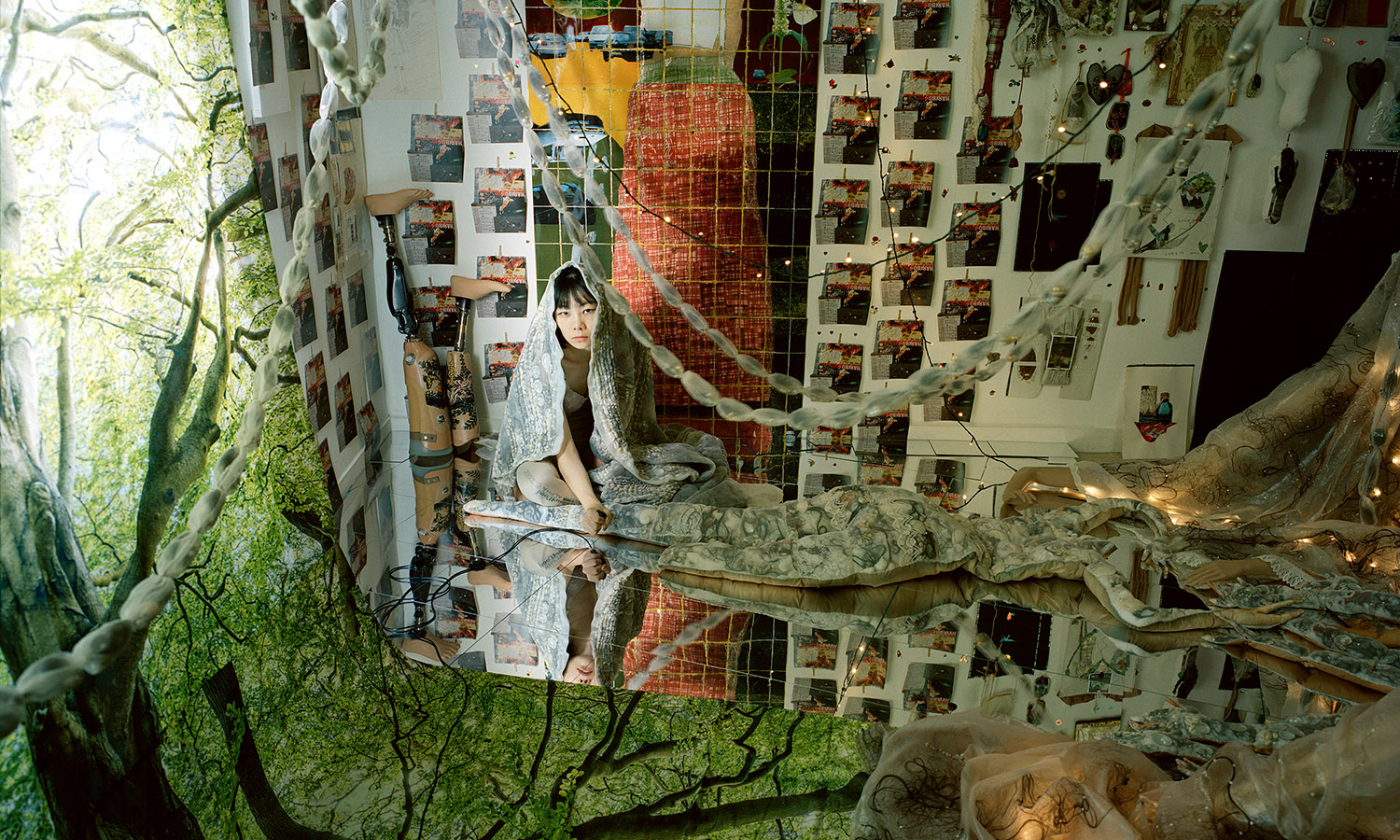
Photographing her own body alongside the intricate hand-sewn objects she crafts herself, the celebrated artist explores a multifaceted sense of self, blurring the boundaries – and the limits – of the body. Widely praised for upending conventional frameworks, she was named the inaugural Grand Prize winner of the Mori Art Award by Mori Contemporary Art Foundation earlier this year. Her recent series – tree of life (pictured), newly acquired by London’s Victoria & Albert Museum – will be shown this autumn at Tokyo’s Mori Art Museum, among other works. Having drawn international attention at the 58th Venice Biennale in 2019, Katayama continues to widen her practice into fashion and performance while exploring questions of intersectionality. 31 October 2026 – 28 March 2027
Required Reading
More meditations on Japanese art
Kaiho: Japanese Women Artists after 1945
Published to accompany collaborative forthcoming exhibitions at Munich’s Lenbachhaus and Mudam in Luxembourg, Kaiho (a Japanese word describing a sense of liberation) surveys the work of 39 female artists and their vital role in the evolution of postwar Japanese art, tracing the key movements that shaped the country’s artistic landscape.
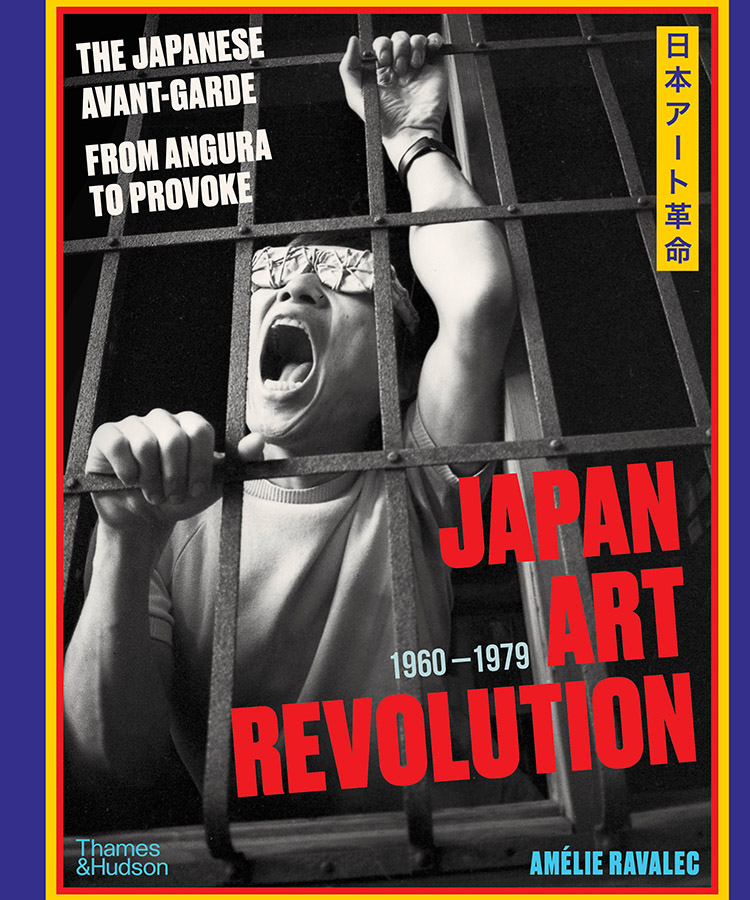
Japan Art Revolution: The Japanese Avant-Garde, from Angura to Provoke, 1960–1979
Featuring Daidō Moriyama, Eikoh Hosoe and Nobuyoshi Araki, among many other influential names, this visually arresting volume gathers more than 600 provocative works from one of the most turbulent and transformative periods in Japanese art history, offering a comprehensive study of the radical energy that reshaped the country’s creative scene after the Second World War.
Share with your friends