Between a pandemic-era push for healthier living and a long-standing trend towards teetotaling among younger generations, the direction is clear: more and more people are saying “no thanks” to alcohol. That includes declining the customary food-and-wine (or -beer, or -cocktail) pairings that have dominated epicurean culture for ages – but rather than leaving a gap for delightful matchups at mealtime, this opens up an opportunity for experimenting with flavours and discovering tasty new combinations. The sober-curious have never had it so good.
Because the market for non-alcoholic drinks has exploded in recent years, it’s easy nowadays to simply switch to the booze-free version of whatever wine, beer or spirit one might have otherwise quaffed. But if you’d prefer to dive deeper into flavour profiles and lean into naturally non-alcoholic tipples that hold their own, you are in the right place. Here, we look at a variety of options, from tea and kombucha to juices, mocktails and sparkling drinks, that highlight – rather than compete with – the vivid flavours of dishes from popular cuisines around the world.
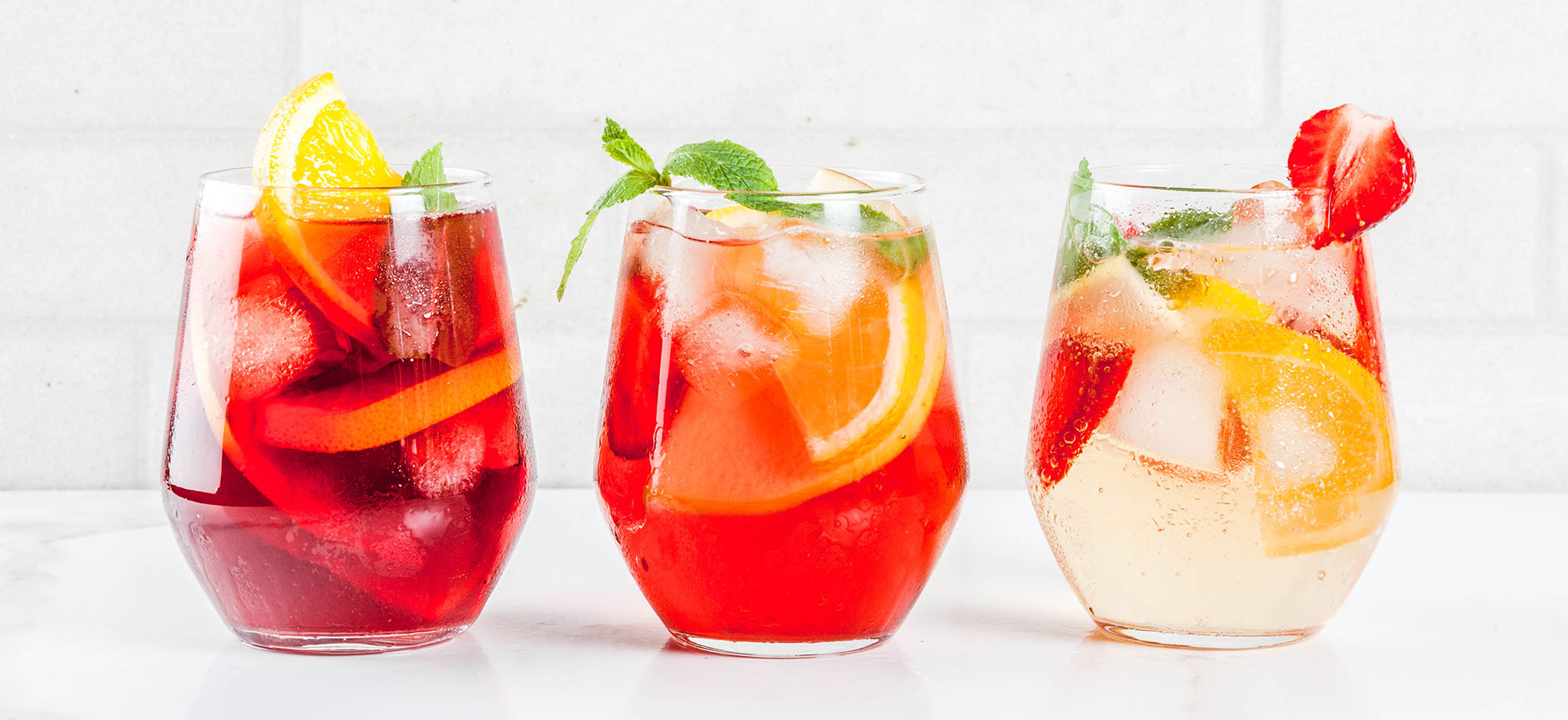
It’s important to note that the conventional wisdom of food-and-beverage pairing holds true for non-alcoholic libations: light drinks go with light dishes, bold drinks with bold dishes. Acidity and bubbles offset rich, fatty textures; creamy beverages tame heat and spice; bitterness and botanicals cleanse the palate; sweetness softens saltiness and complements desserts; and full-bodied tipples and ones with deep, complex flavour profiles make ideal companions for equally assertive dishes. Armed with those basic principles, you can pair anything with confidence – but if you’re after a few hard-and-fast tips, read on.
Japanese: Time For Tea
Japanese fare may seem like one of the easiest world cuisines to pair with non-alcoholic drinks, as it comes with its own built-in companion: tea. But looks can be deceiving. In Japan, tea is more than a drink – it’s a conduit for vital aspects of the national culture, from craft traditions and social etiquette to spiritual meditation and healthy living – and the Japanese art of pairing tea and food has been practised for nearly 1,000 years. Needless to say, there’s a lot of advice to sift through, but some straightforward suggestions persist.
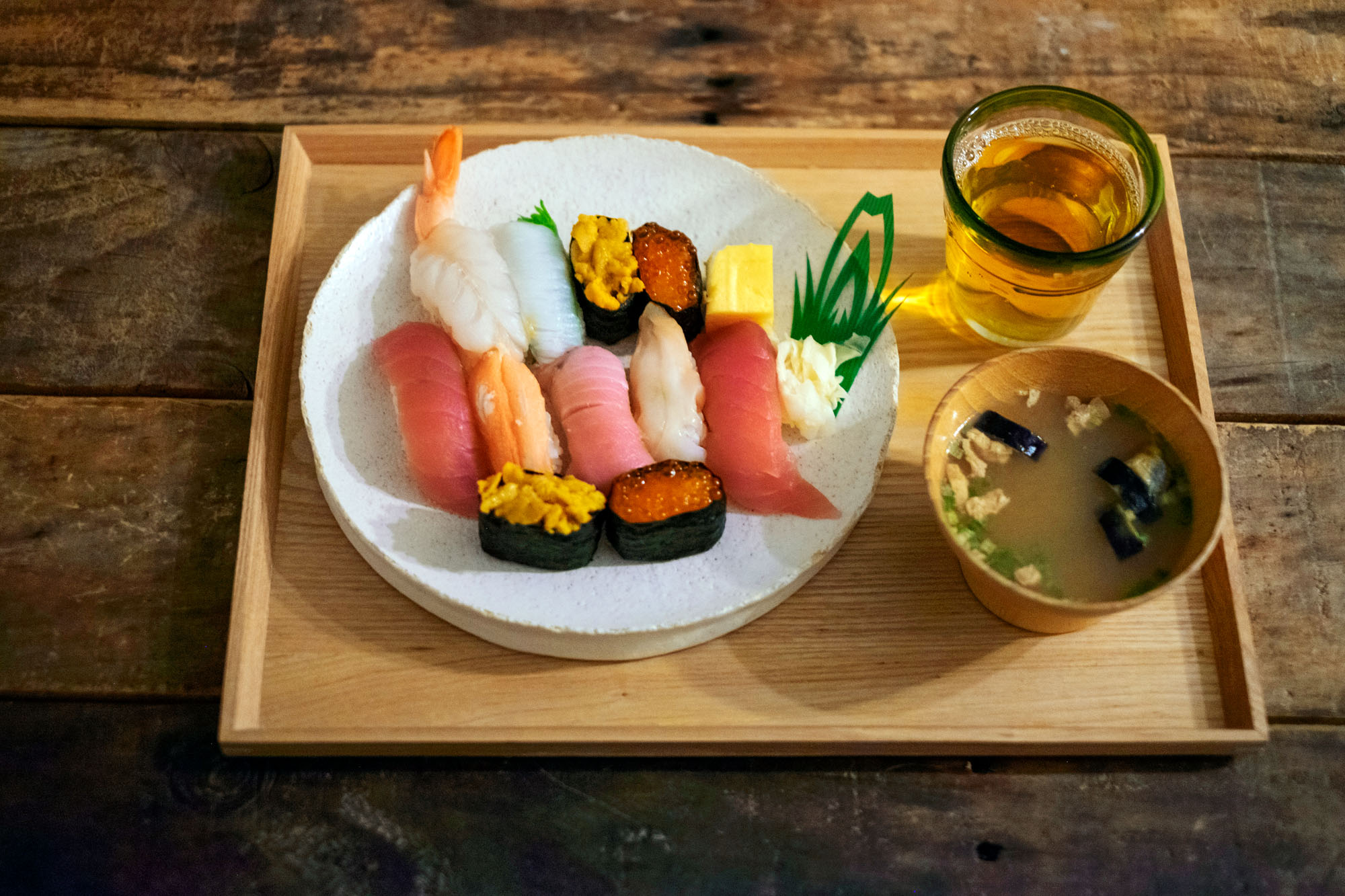
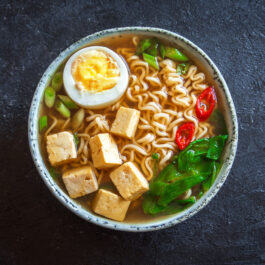
Sushi and sashimi are often teamed with green tea varieties like sencha, whose bitterness helps cleanse the palate between bites, and genmaicha, which is a blend of green tea and roasted rice. The nutty essence of genmaicha, as well as the toasty notes of hojicha (roasted green tea) and mujicha (caffeine-free barley tea), also harmonise well with a bowl of salty, umami ramen, and are great when echoing the caramelised flavours in grilled fish and meats. Fattier dishes, however, such as Wagyu beef, tonkatsu pork or fried tempura bites, benefit from the structure of a strong oolong or black tea, or even a refreshing tonic water or citrusy Yuzu soda that can cut through the fat.
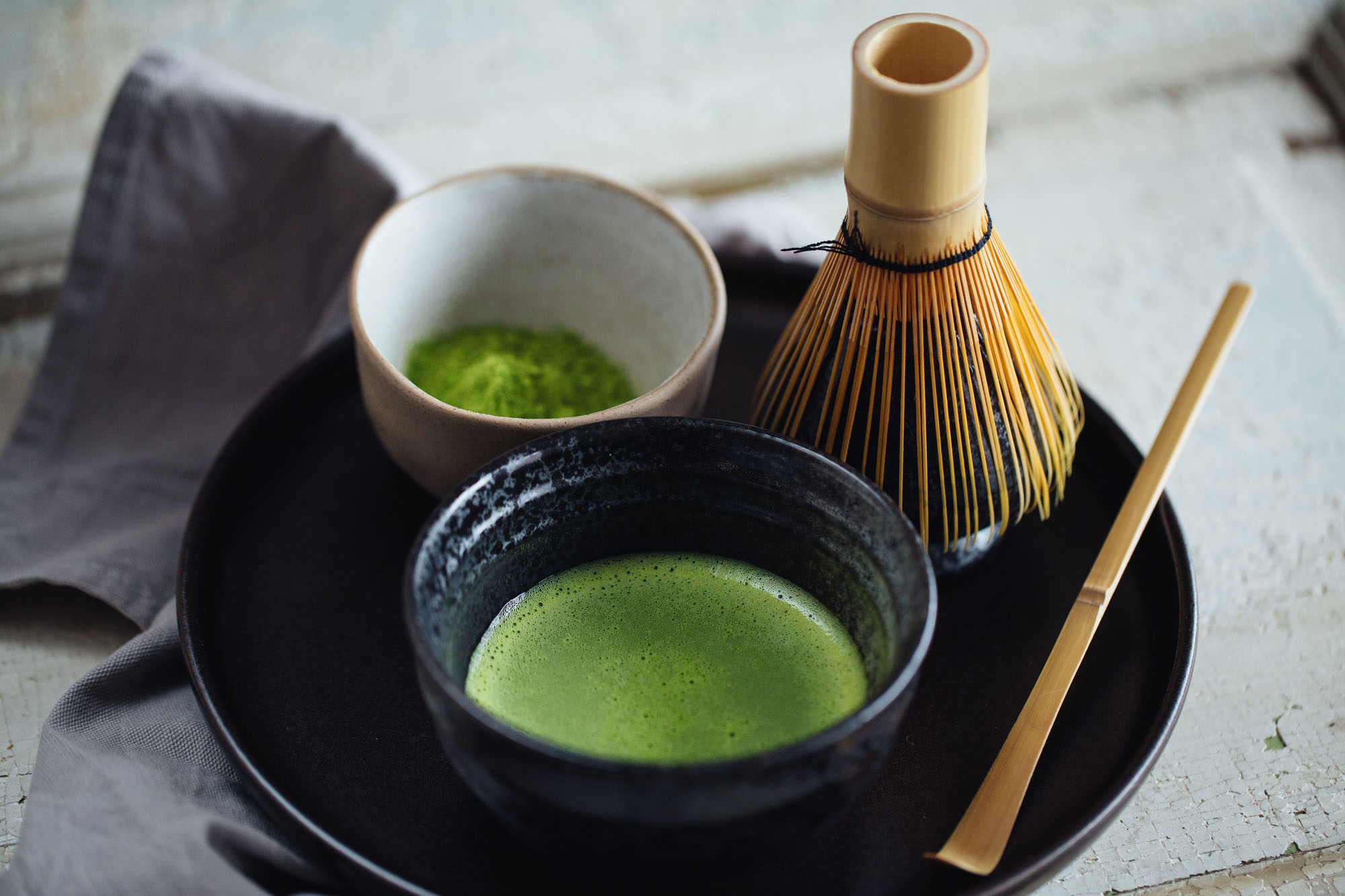
Come dessert, a cup of earthly, slightly bitter matcha tea stands up to even the sweetest of treats.
Indian: Beat The Heat
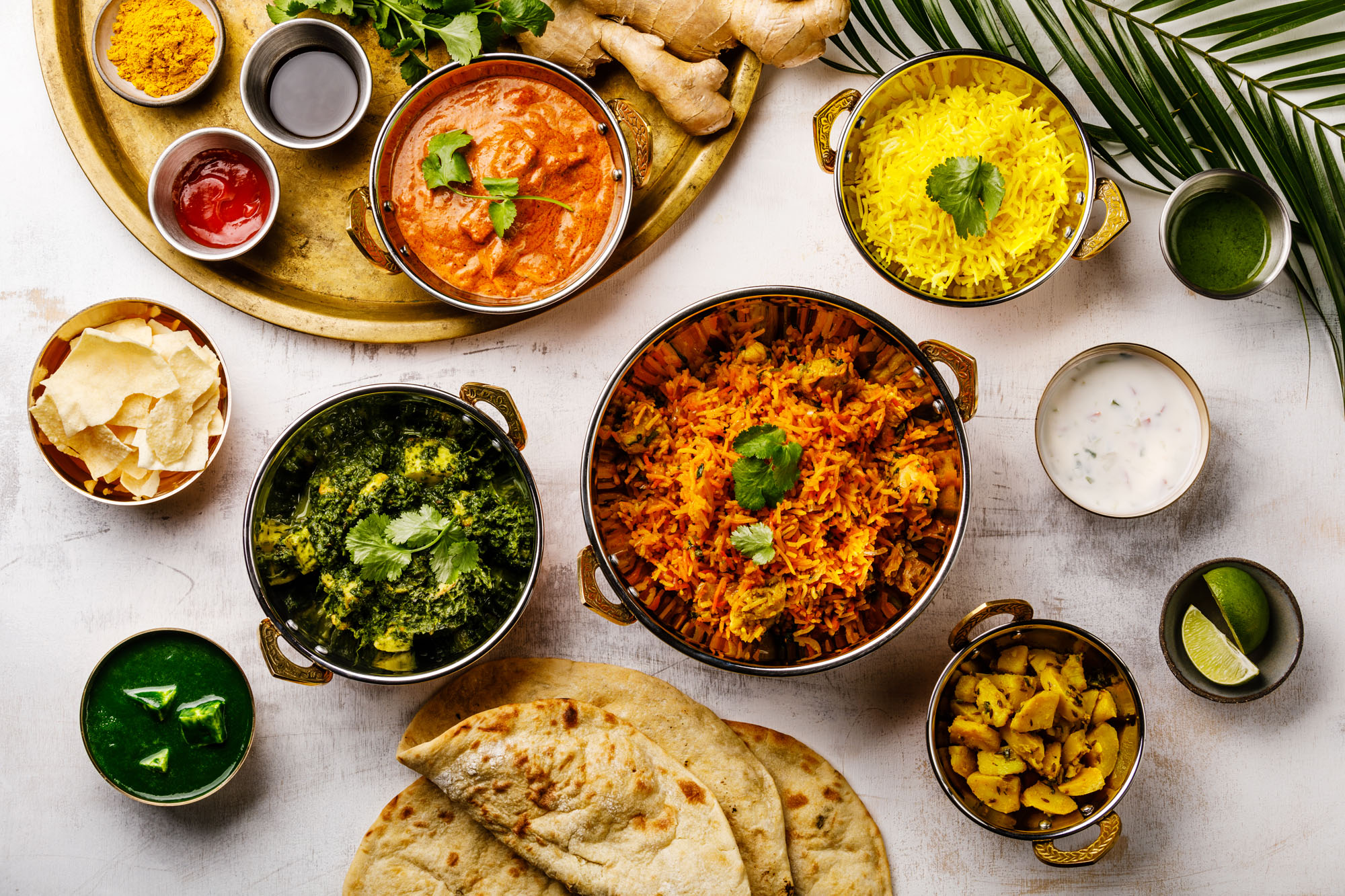
Notorious for its fiery spices, creamy curries, and greasy street eats, Indian cuisine also loves a good tea, but with all those chilli peppers knocking about, it tends to require the prandial equivalent of a fire hose. A fruity, refreshing mango lassi is up to the task and is the ideal companion for a variety of curries, from tangy jalfrezi to sweet korma, rich butter chicken or spiced chana masala. Lassis are a go-to for the most mouth-fanningly hot-and-spicy curries as well, including vindaloo and phaal, though a tall glass of coconut water (preferably with heat-taming lime) may be your best bet when you’ve got a five-alarm fire on your hands. Likewise, tandoori dishes call for something with a cooling effect, including lassi, cucumber chaas or even a ginger soda.
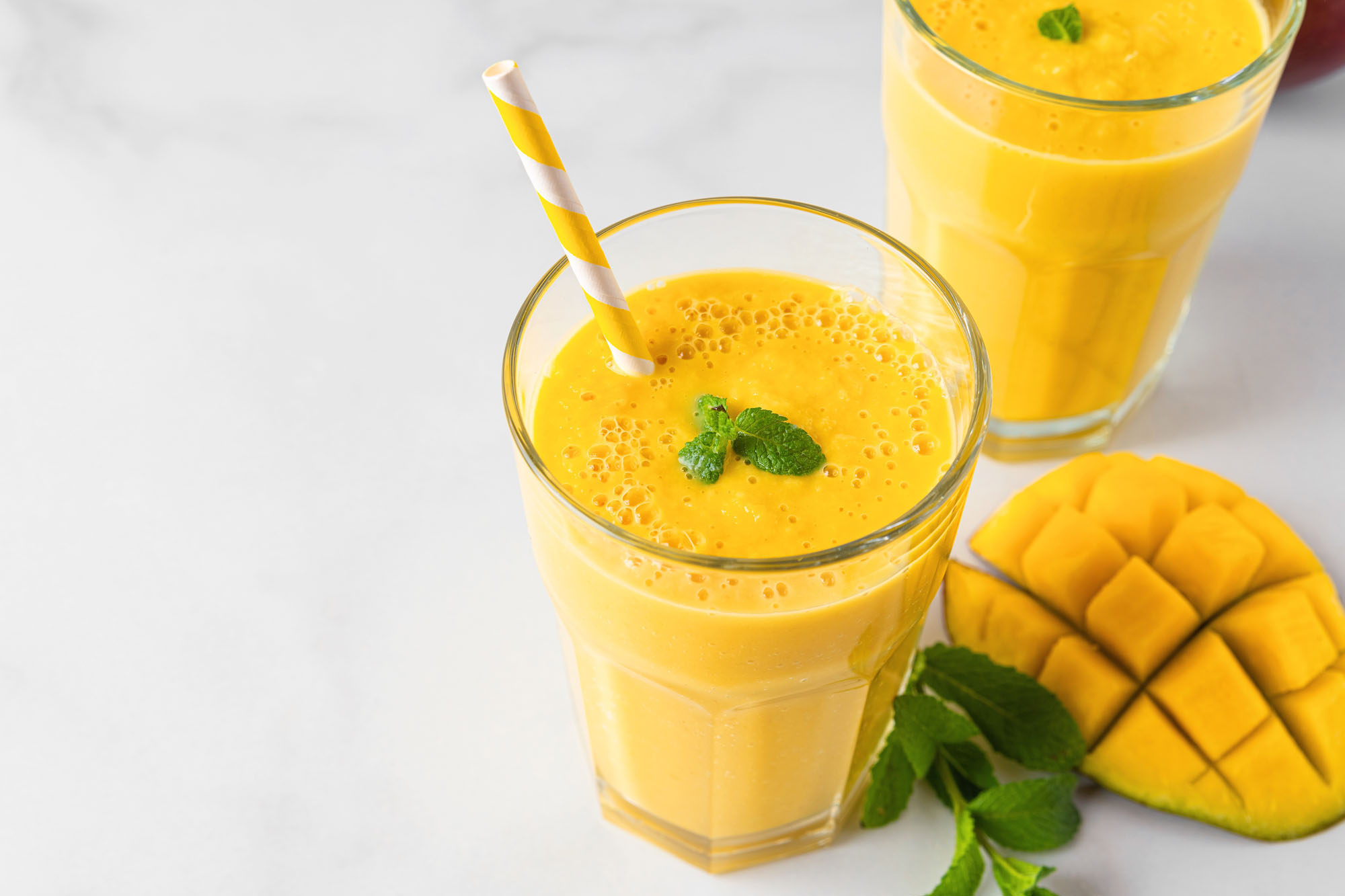
Should a snack attack strike – whether for salty samosas and crunchy pakoras or buttery biscuits and crispy jalebi – turn to rooibos tea, which balances fat and sugar with its subtle sweetness and earthy complexity, or to an indulgent milky chai tea that complements a variety of desserts with its warm, comforting spices.
Serving a meal and seeking a crowd-pleasing, goes-with-anything drink for your guests? Whip up a big batch of shikanji, or ‘Indian lemonade, blending lemon or lime juice with spices like roasted cumin, black salt and amchur (green mango powder) for a subcontinental take on a classic.
Mexican: Bold Is Better
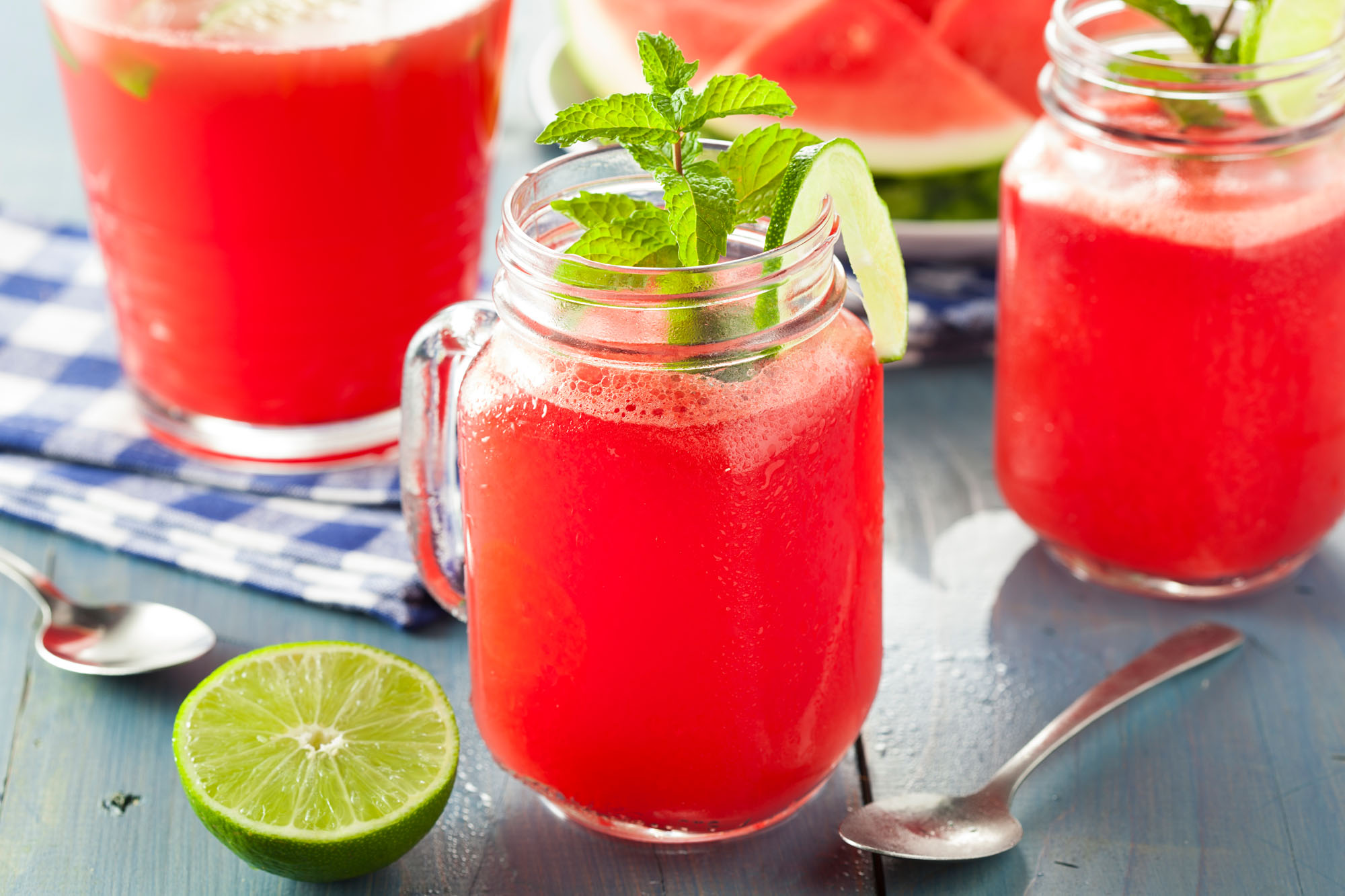
Eye-watering heat and unabashed herbs and spices are major players across Mexico, too, from the bright aguachiles of Baja to the seven moles of Oaxaca, so here we’re also looking for drinks that can balance heady flavours and calm scorched palates. Unsurprisingly, some of the country’s most famous food exports, like tacos, tamales and aguachile, truly shine when paired with some of its most popular beverages, notably aguas frescas – light, hydrating drinks made with nothing but fresh produce, ice-cold water and a bit of sweetener. Favourites like agua de Jamaica (hibiscus water), agua de tamarindo (with tamarind) and versions with cucumber and lime, for example, are aces at tempering greasiness and heat.
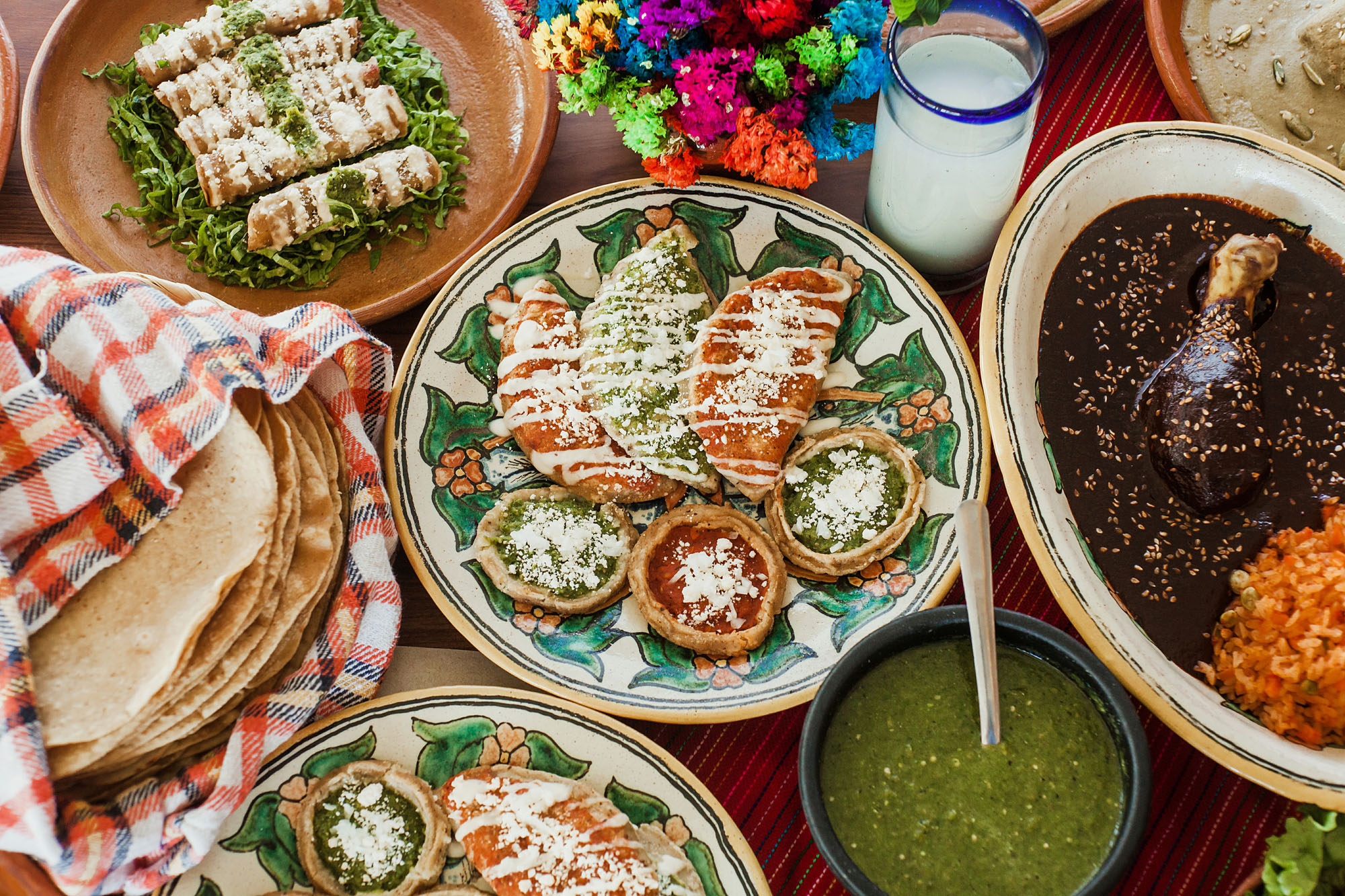
When it comes to slow-cooked meals, from carnitas to beef barbacoa, birria and mole, you might want a tart hibiscus tea or a robust black tea with an astringency to counteract the rich, smoky flavours of the dish. Decadence is the operative word when it comes to the final course as well: freshly fried churros and Mexican hot chocolate are a match made in culinary heaven.
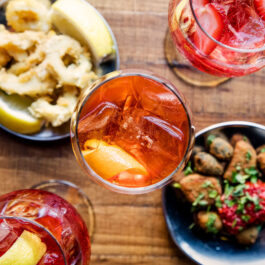
If, on the other hand, it’s just a snack you’re craving, we recommend mixing orange juice with a squeeze of lime juice, a splash of sparkling water and a dash of pickle or olive juice for an almost-margarita to serve with chips and salsa.
Middle Eastern: Deliciously Herbaceous
Admittedly a broad category, roughly encompassing the Arabian Peninsula, the Levant and parts of North Africa and the Eastern Mediterranean, ‘Middle Eastern cuisine’ – as we are using the term – is defined by the vivid flavours imparted by fresh herbs and fragrant spices found across the region, as well as the signature slow-cooking, grilling and roasting techniques that result in mouth-watering meat and veggie dishes. As such, any drink you pair with such specialities, from falafel to kibbeh, kebab, mujadara and baba ghanoush, will need to hold its own – which is why herbal and floral beverages tend to win out.
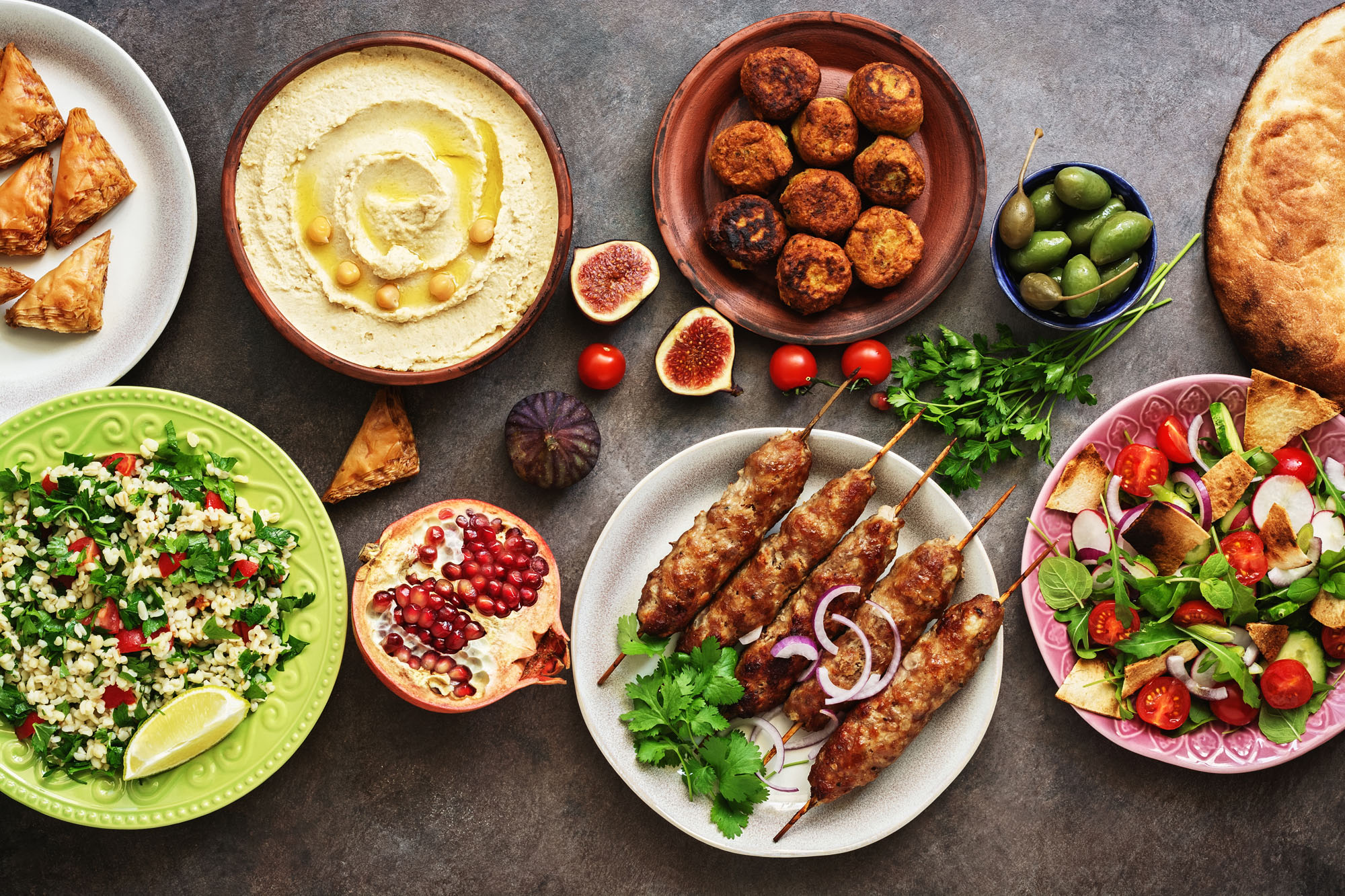
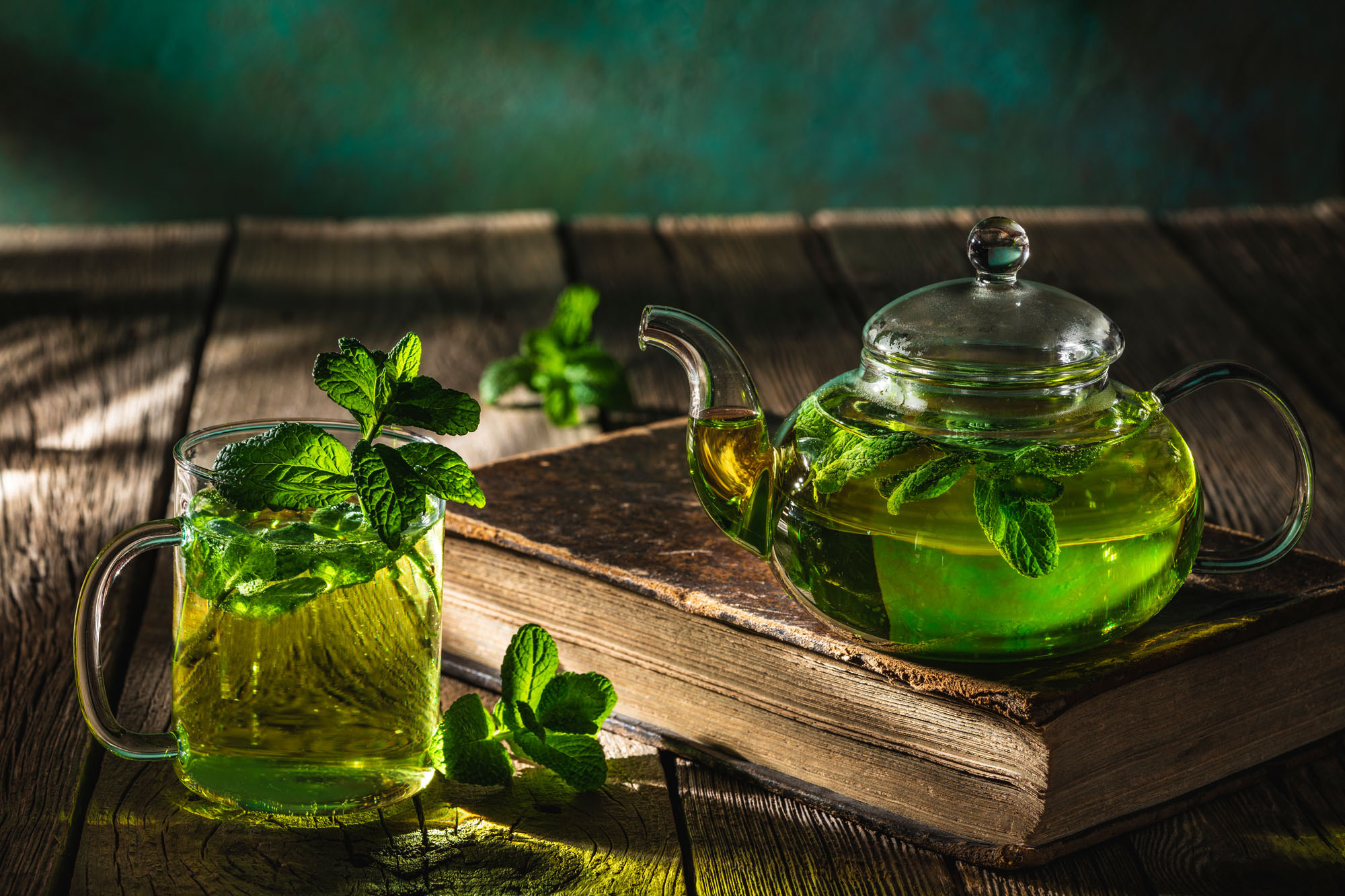
Mint tea is a popular option, made with fresh leaves for a flavourful brew to sip alongside mezze, including humus, tabbouleh and halloumi. Rosemary or hibiscus teas also play nice with a variety of mezze and fried specialities, as well as grilled and spiced meats like kofta and lamb kebabs. The headiest of meat dishes, however, call for Ayran, a salted yoghurt-based drink that cools the palate and offsets any greasiness. Rich meats and liberally spiced vegetables, like za’atar-roasted veggies or batata harra potatoes, are also worthy opponents for a sweet date shrub drink – made by concentrating fruit, vinegar and sweetener into a syrup, and then diluting with water, tonic or tea.
At the end of the meal, we recommend a tea or soda made with rose, orange blossom or even saffron or sage to aid digestion and bring out the best in delicate pastries, baklava, almond cookies or dried fruits and nuts. Of course, if you’re not concerned about caffeine, nothing beats doing as the locals do and enjoying a cup of Turkish- or Arabic-style coffee.
Italian: Bright And Simple
Even if something about a big bowl of homemade pasta seems to yearn for a glass of good red wine, you might be surprised by what you discover when you branch out a bit, especially with carefully chosen drinks that make music alongside the characteristic acidity, freshness and deceptive simplicity of Italian cuisine.
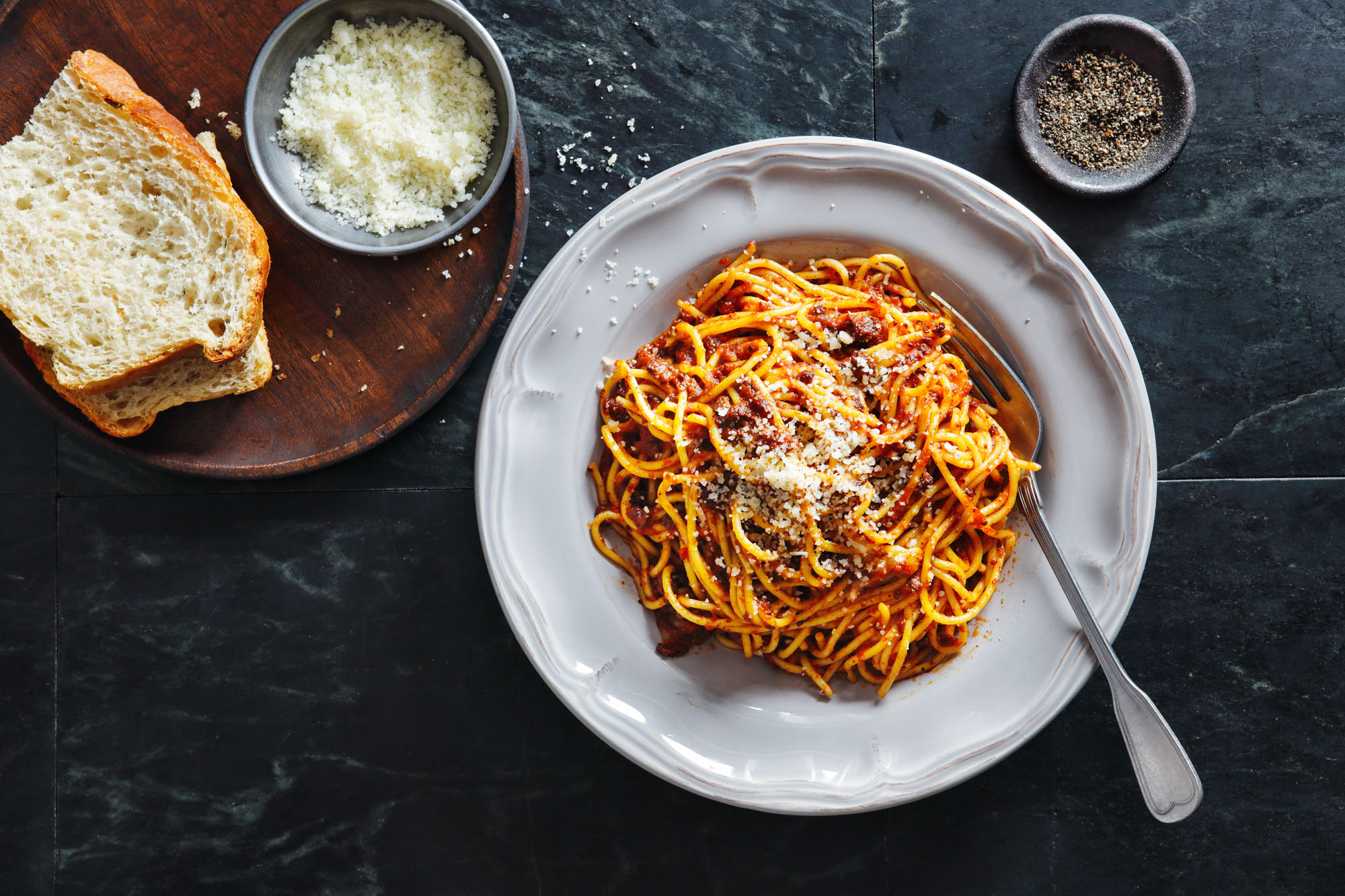
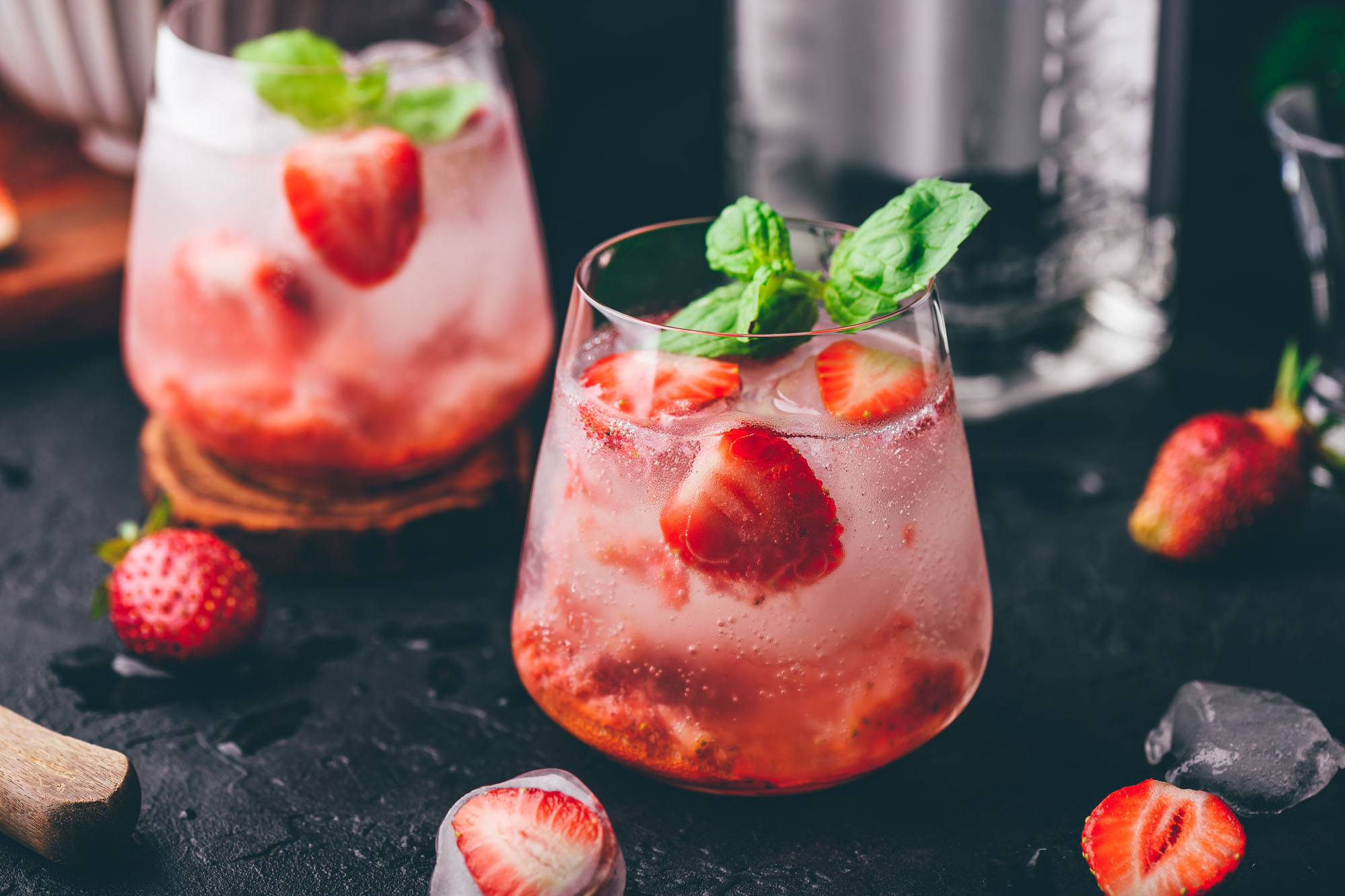
A tomato-based pasta or pizza, for instance, can take on new life with a berry mocktail that plays up the fruity notes in the sauce and cuts through the fats in any cream or cheese. The tart-sweetness of apple juice can mediate the salty richness of noodles or gnocchi bathed in cream, pesto or parmesan, while seafood pasta benefits from something citrusy, like lemonade or Sprite, which enhances the flavours of the sea. A meatier dish of bolognese or lamb ragú is best with a sturdy, tangy tipple that’s not too sweet; think cranberry or pomegranate juice, perhaps livened up with sparkling water.
Skipping dessert is a no-no when faced with the likes of tiramisu, cannoli and gelato, so dive right in – perhaps pairing these beloved treats with a bitter soda like Sanbittèr or Crodino, or a rooibos tea with hints of cocoa. Better yet, go for an affogato – vanilla gelato swimming in a shot of espresso – in which case the drink is the dessert.
French: Butter-Busting Bubbles
While it’s true that, historically, wine is to French culture what tea is to Japan, times are changing. The French, like much of the rest of the world, are drinking less alcohol than ever and exploring a new repertoire of libations to pair with their iconic cuisine. And given the amount of cheese, meat and cream present in many beloved French dishes, the main principle here is about balancing heavy textures with beverages that can take the strain while lightening things up.
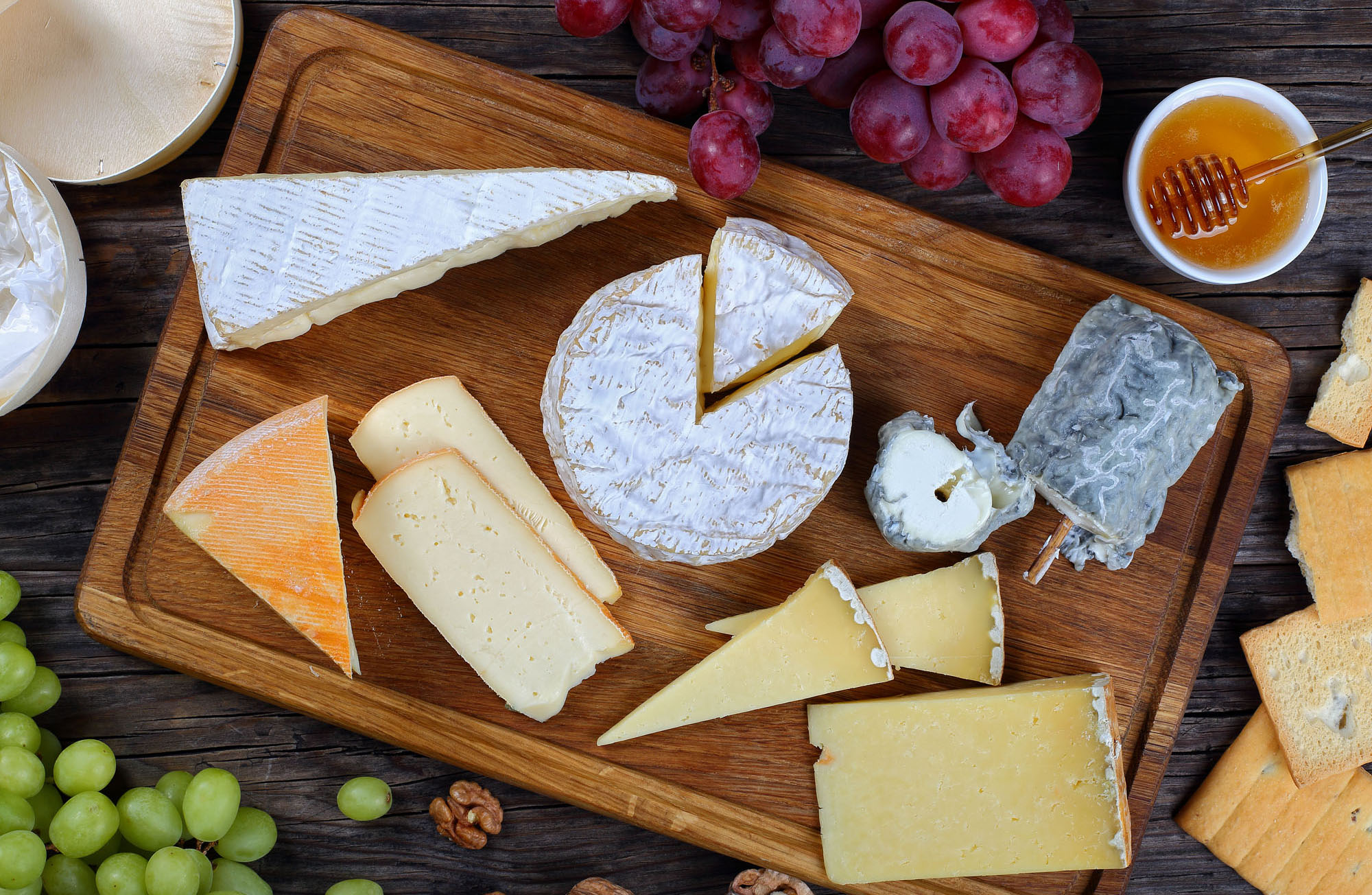
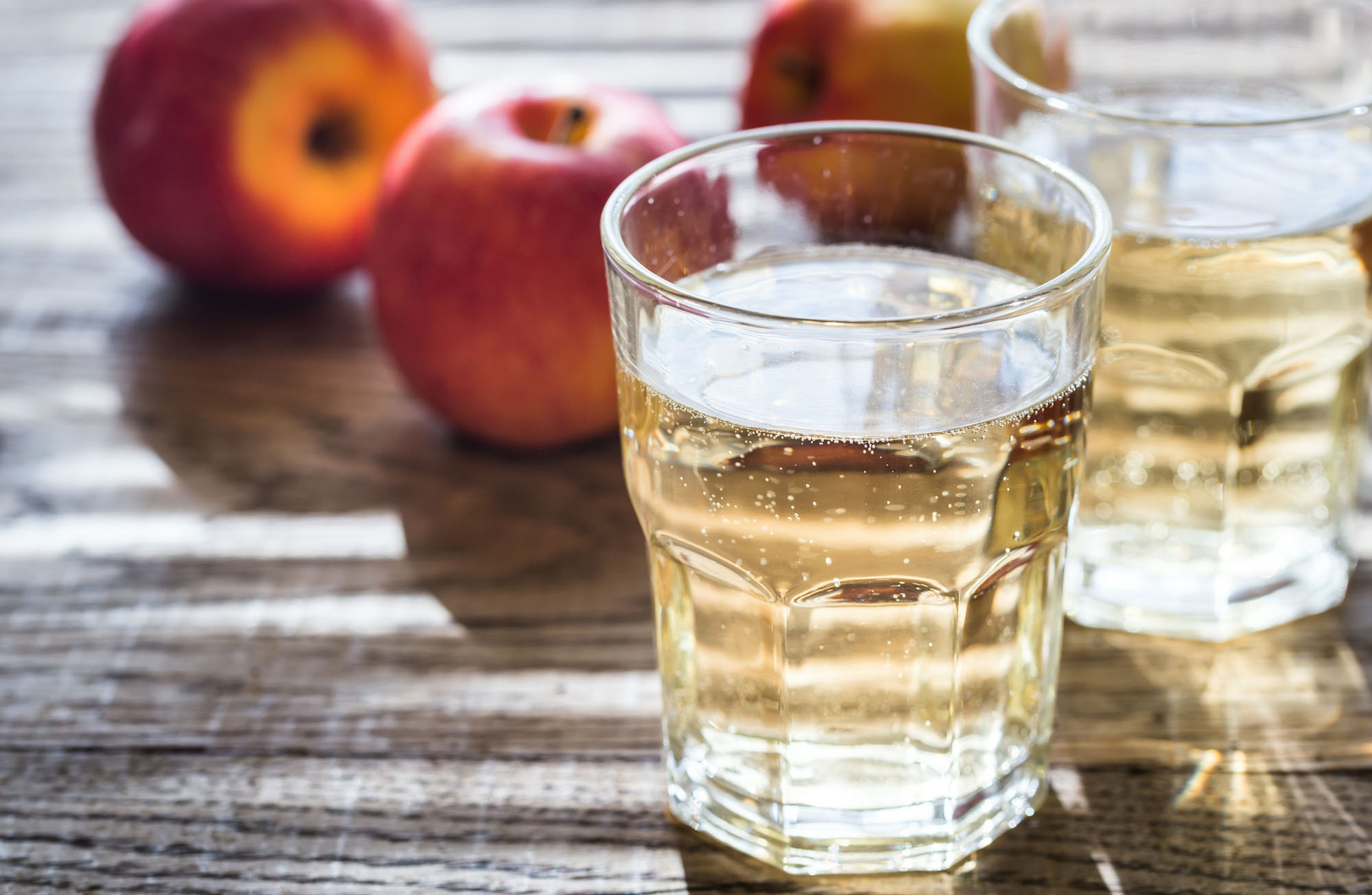
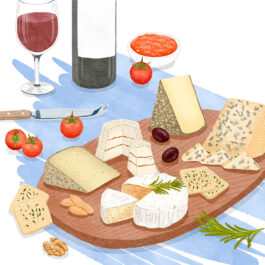
To start with a cheese and charcuterie board, opt for a sparkling apple cider whose bubbles and tartness will temper the fats; select one with a sweeter profile if your platter features strong blue cheeses or foie gras. In fact, sparkling cider – or just sparkling water with lemon peel – does well with a number of other French favourites, from moules-frites to quiche, grilled seafood and creamy gratins or chicken fricassée. Want to get really fancy? Mix up a sophisticated mocktail showcasing verjus, the juice of unripe grapes, which lends a delicate acidity that’s much rounder and softer than citrus juices.
Meaty specialities, by contrast, need a bit more body, so team a boeuf bourguignon or tender entrecôte with a smoky black tea or a kombucha with red fruit notes. A nice Earl Grey or effervescent apple juice is also an ideal companion for French desserts, including tarte tatin, crème brûlée and chocolate mousse; espresso is an ever-popular choice as well.
In a society renowned for its effortless elegance, however, the most ‘French’ move of all is to simply sip an eau pétillante, like Perrier or Badoit, regardless of the meal or course. Nothing is less complicated – or more nonchalant-chic – than that.
Share with your friends