The recent opening of a landmark exhibition at the London Design Museum offers a glimpse inside the mind of one of today’s most remarkable – and recognisable – directors. Wes Anderson: The Archives immerses visitors in the auteur’s personal archives through more than 600 carefully curated objects, from storyboards, Polaroids and sketches to paintings, puppets and costumes.
But before you dive into the filmmaker’s quirky, colourful, whimsical world, why not discover London through an Andersonian lens, with these locations, sights and monuments that look as if they’ve been plucked straight from one of his movies.

Seek Out Symmetry
If you had to narrow down the director’s iconic aesthetic to just one distinctive feature, it would probably be his harmonious framing defined by symmetry and centring. Luckily for hobbyist location scouts, imperial architecture loves symmetry.
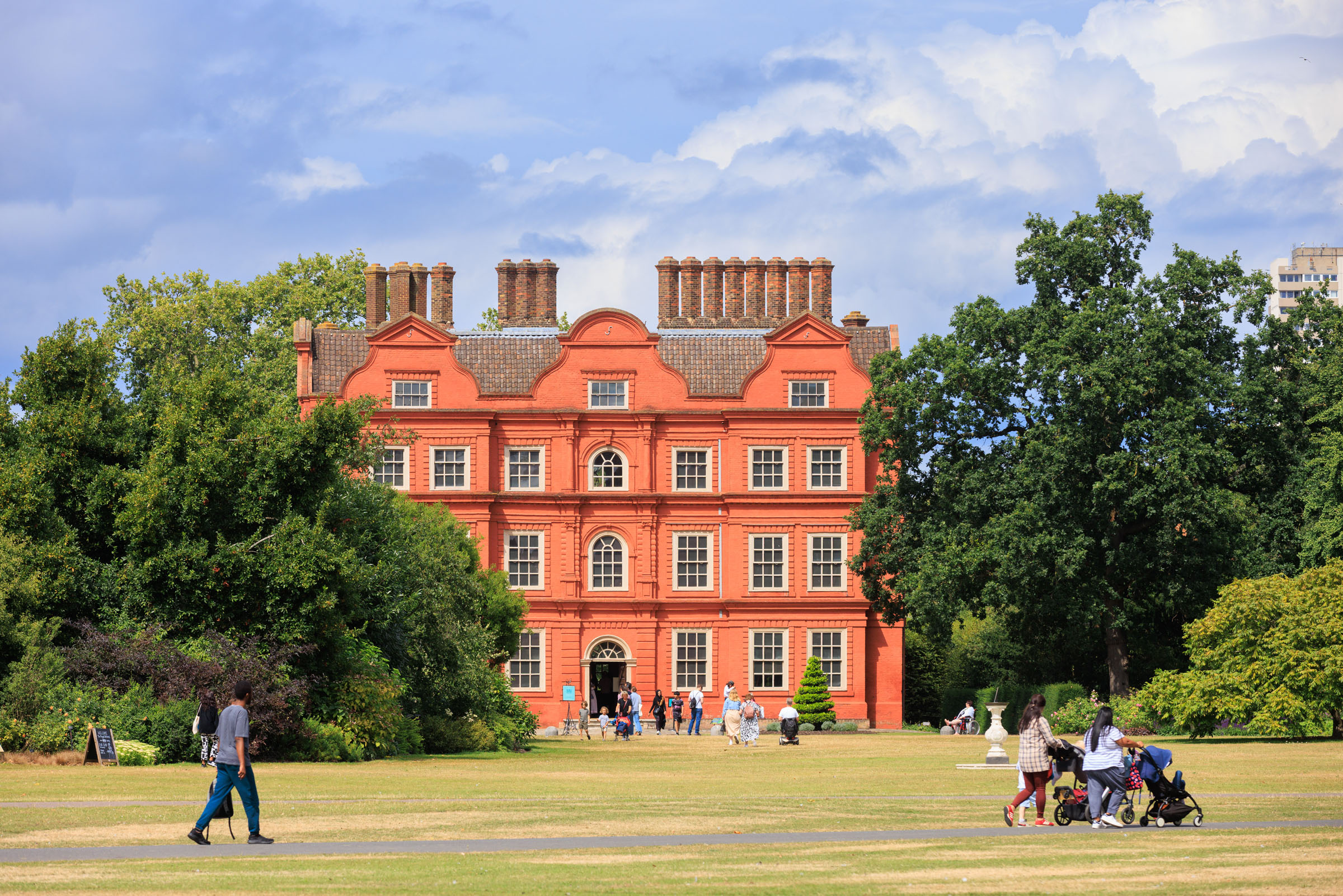
The likes of Buckingham Palace, the British Museum and the Palace of Westminster are all right angles and evenly spaced windows, but they lack the requisite eccentricity and local colour. Instead, head to Kew Palace in the borough of Richmond to visit a residence fit for a Hollywood king. Kew is home to the smallest royal palace, as well as Queen Charlotte’s cottage, a 50m pagoda and the world-famous botanical gardens, with symmetrical vistas to be captured around every corner.
Appreciate Heritage Pastels
Runner-up for most recognisable visual marker is the limited colour selection: locations, scenes and characters are often rendered in monochrome, and each film features a distinctive palette. Sketch restaurant in Mayfair used to be the go-to selfie spot for fans looking to enjoy afternoon tea inside a Mendl’s patisserie box, but a recent revamp did away with the pastel pink interiors once so popular on Instagram (although the new design is still suitably offbeat and monochromatic).
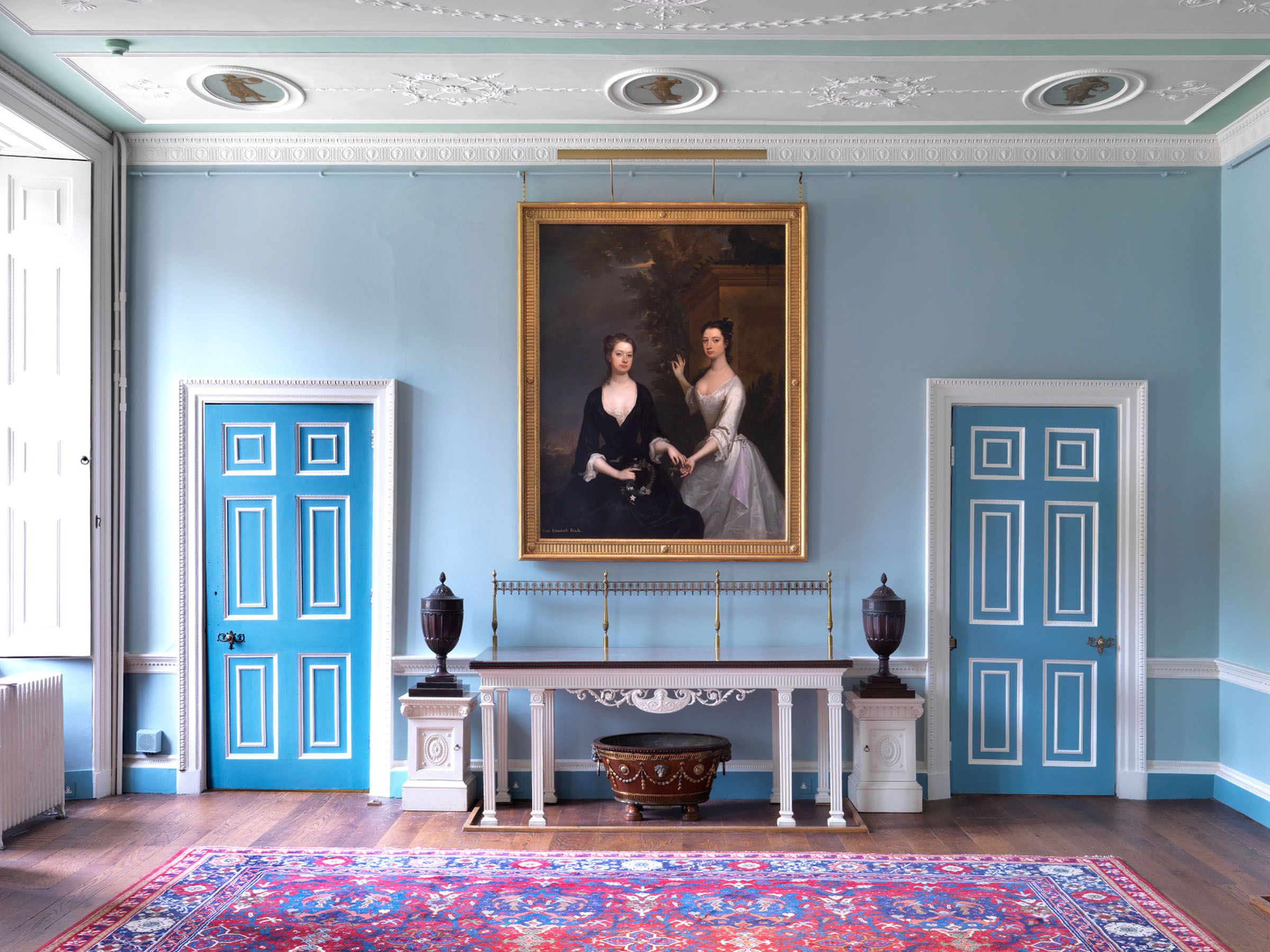
Today, you’ll find just the right combination of pastel pink and blue at Kenwood House, a stately home on the edge of Hampstead Heath. A major refurbishment from 2012 to 2013 focused on the collection of Old Masters and British paintings known as the Iveagh Bequest, as well as restoring the colour schemes – especially in the library, where over 400 paint samples were taken to reveal the original hues.
Marvel At Potential Props
Another device that animates Anderson’s on-screen worlds is his astute attention to detail. The world-building is without fail vibrant and fastidious, bringing to life the fictitious Eastern European Republic of Zubrowka, the made-up New England island of New Penzance, Rushmore Academy prep school in Texas, or a family mansion in Manhattan.
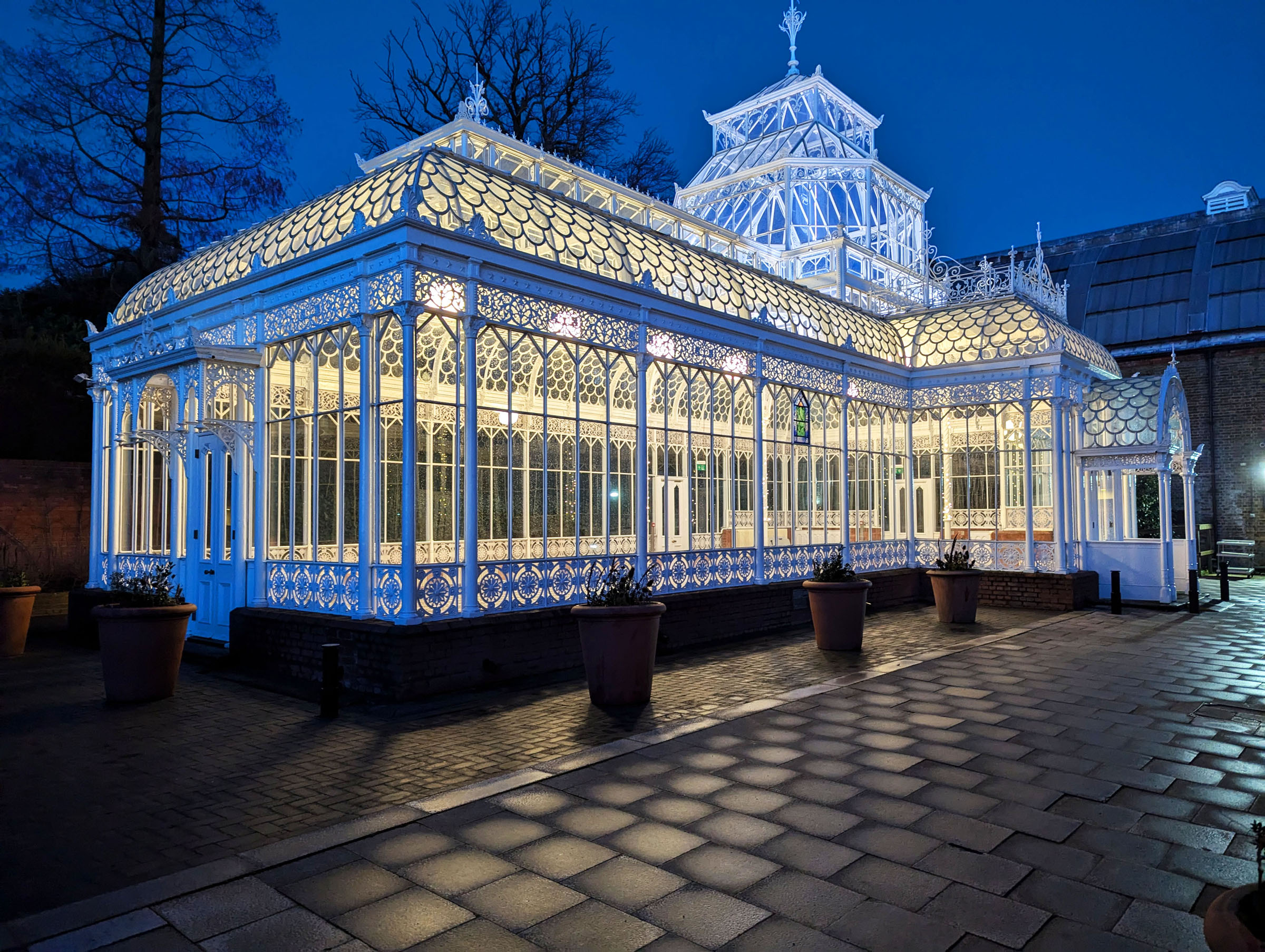
The Horniman Museum and Gardens, housed in an idiosyncratic Art Nouveau building in Forest Hill, is teeming with eccentric vintage exhibits just waiting to be discovered by a set designer. The gardens feature a petting zoo and butterfly house, and the ethnographic collection presents heirloom objects from all continents. The Natural History Gallery is filled with specimens gathered by the museum’s founder, a Victorian collector, like skeletons and insect models, not to mention pickled and taxidermied animals. The most famous piece is an overstuffed walrus created by taxidermists who had no idea what the animal had looked like in the wild.
Behold London’s Coolest Uniforms
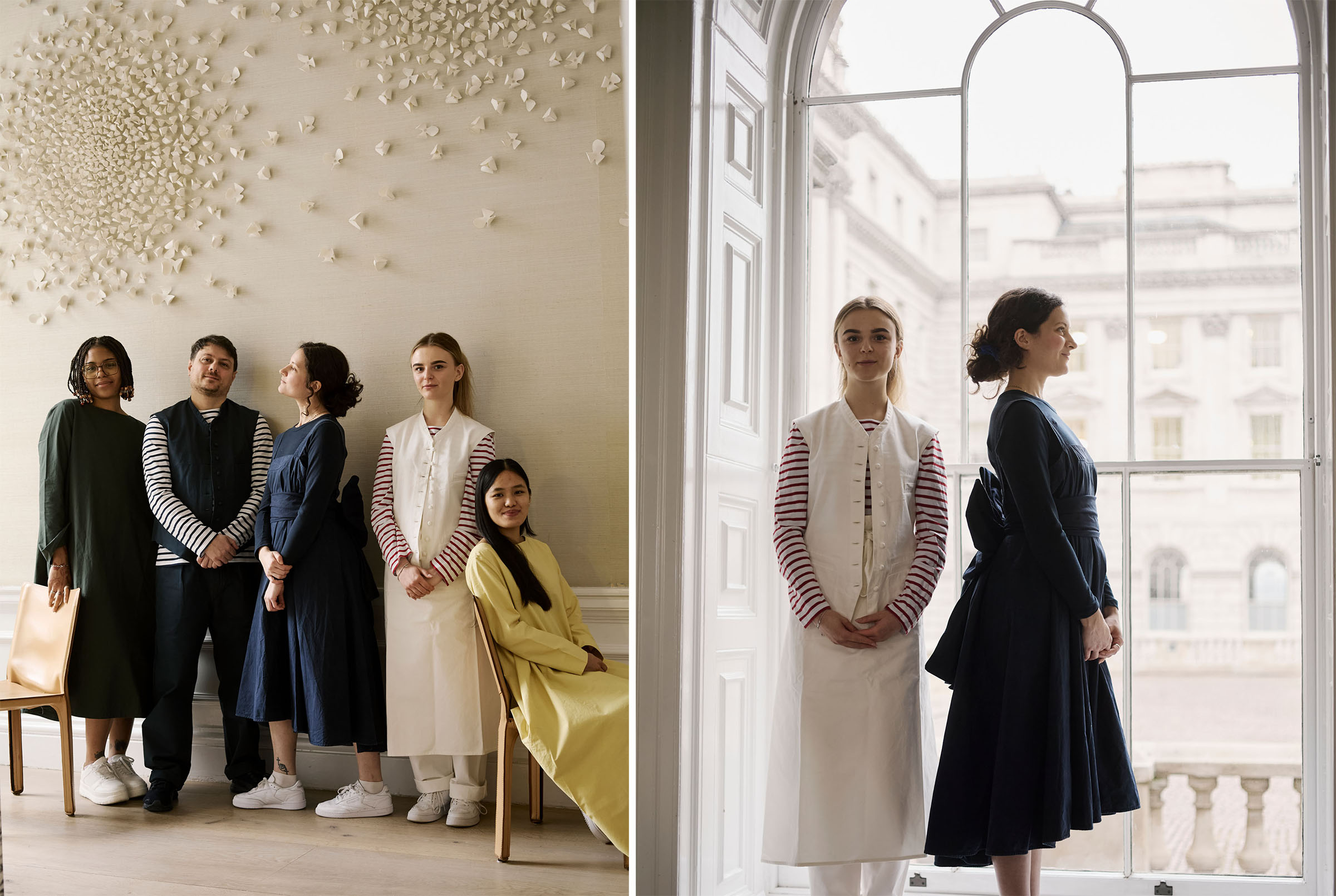
The purple lobby-boy suits in Grand Budapest Hotel; the baby blue tracksuits with red beanies in The Life Aquatic with Steve Zissou; the scout outfits in Moonrise Kingdom: these and many more actual uniforms – or uniform-like costumes – are used as narrative devices in the director’s famed films. Anderson himself usually wears a uniform of tweed or cord suits, check shirts and Clark’s Wallabees in muted tones, so he would almost certainly appreciate a meal served by a well-appointed crew. At Spring restaurant in Somerset House, staff wear custom smocks and waistcoats paired with striped jerseys supplied by minimalist-chic boutique Egg in Knightsbridge.
Read The Writing On The Wall
Typography is also key to this particular filmmaker’s visual language, extending from distinctive, colourful fonts in title cards to eye-catching names on buildings and product packaging. You’ll find bold fonts anywhere you go in London, such as the signature Johnston typeface used on the London Underground or the ubiquitous hand-lettered business names on shops and pubs all over the city. You can follow a walking tour highlighting some examples, or just keep your eyes open and make your own discoveries.

Explore Planes, Trains And Automobiles (And More)
Characters in these films often go places, both literally and figuratively. Trains, in particular, serve as sets, props, plot devices and even the titular mode of transportation in The Darjeeling Limited. Head to the London Transport Museum in Covent Garden for a wide range of suitably vintage vehicles, as well as other items from London’s transport network.
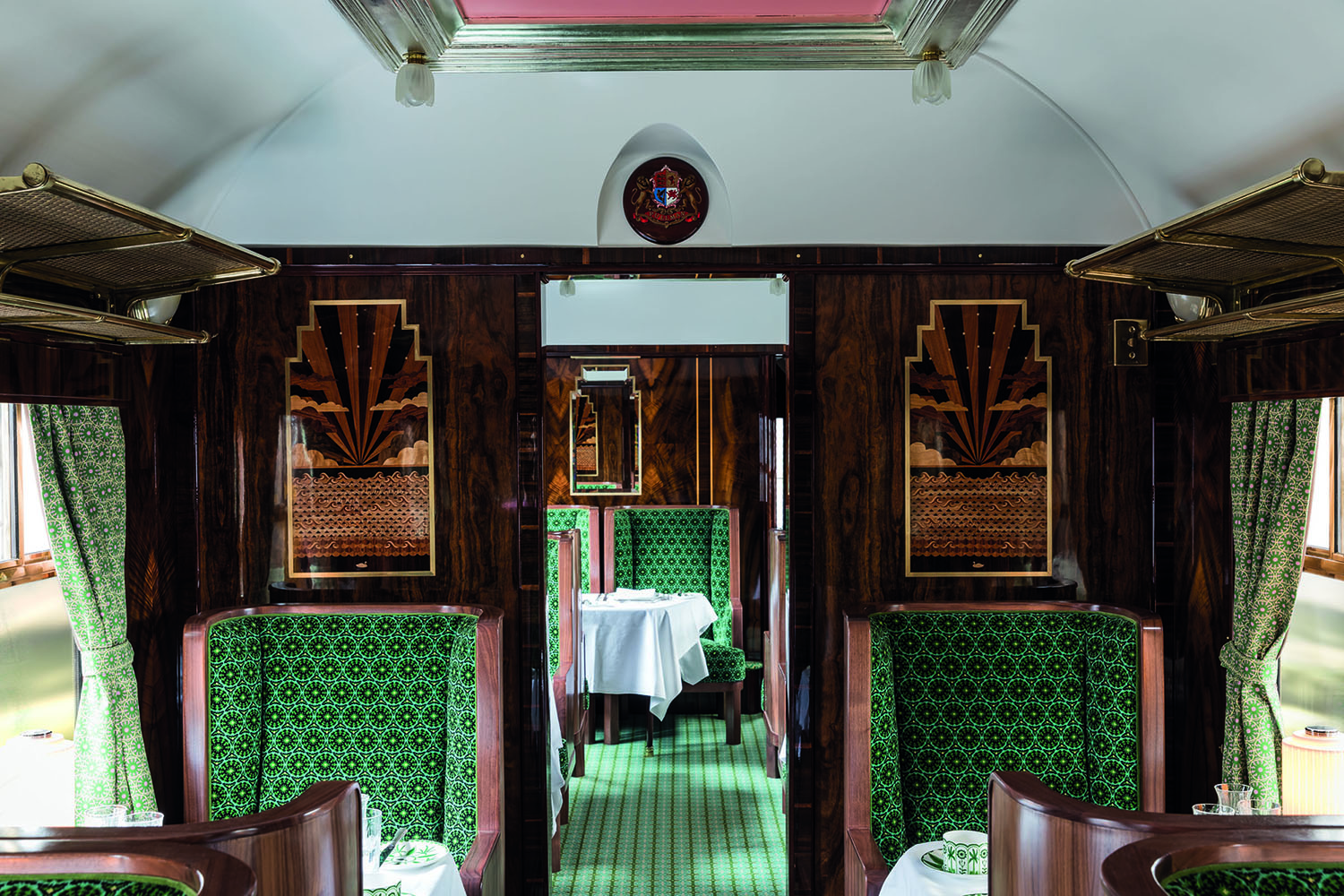
Finally, once you’re ready to move on, you can do so aboard a Belmond British Pullman train – just make sure you book your seat in the Cygnus carriage designed by none other than Wes Anderson himself.