Here’s a question: how many times is too many to be knocked sideways, backwards, flat on your face in the snow? Because even when you’re beneath a sky of unblemished blue in the pristine Norwegian wilderness with nothing more serious at stake than your sense of pride, there comes a point when enough is enough.
On a vast white expanse of Vestland county, 120 kilometres east of Bergen, I’m learning the hard way that sometimes it’s the things you figure will be the easiest that prove the toughest to master. In this case, it’s controlling the pulk – or Nordic sledge – that I’ve been dragging across a landscape once described by legendary Norwegian polar explorer Roald Amundsen as a “mini-Antarctica” for the past two days. The weather is freezing but fine, and traversing the undulating terrain upwards is little issue, save the slog and the odd speed wobble on the skinniest of skis. But downhill is another matter, as the pulk bounds forward, gathering pace unchecked – clipping my heels, knocking the back of my knees and otherwise contriving to run me over – and only halted by the harness attached to my body, now sprawled haplessly on the snow. It’s funny until it isn’t any more.
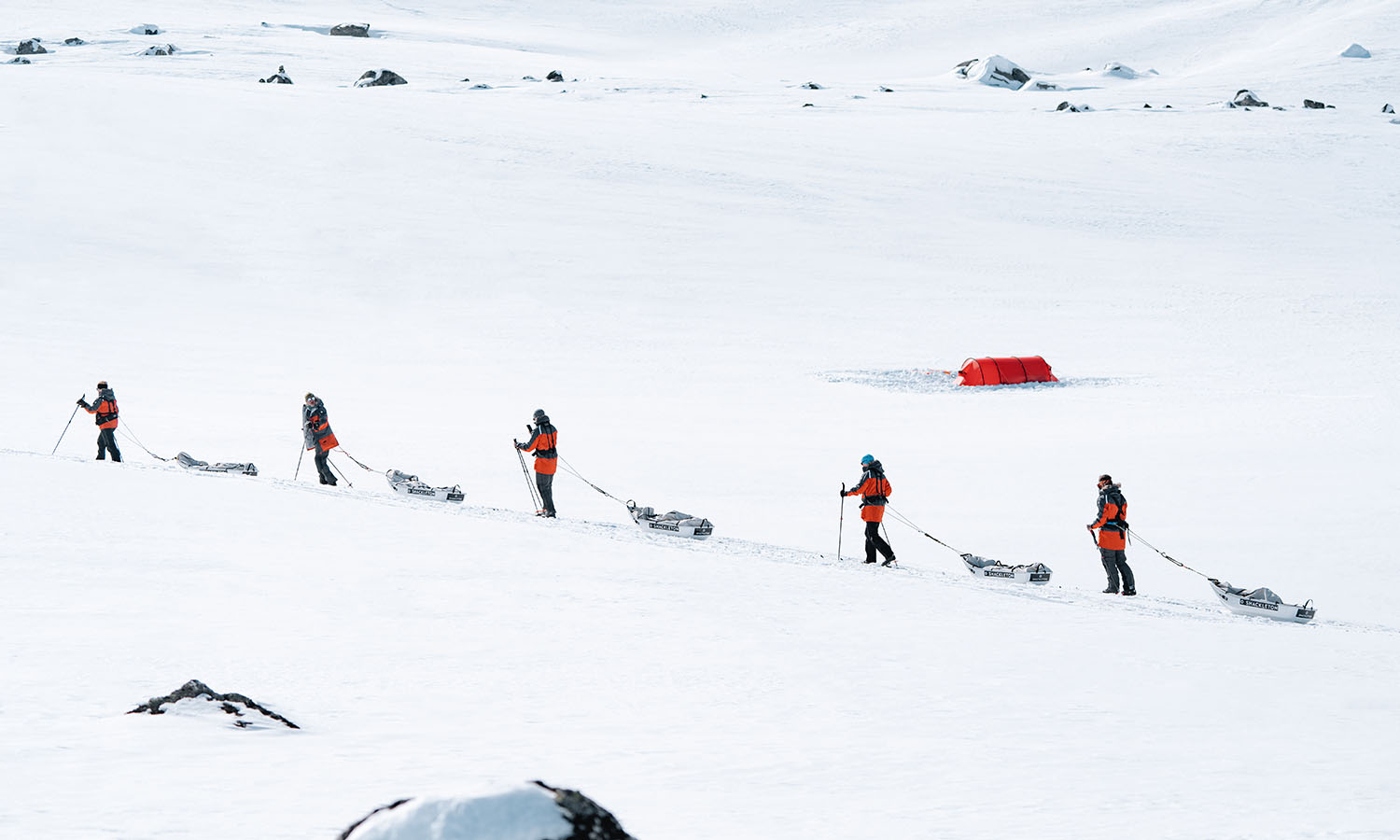
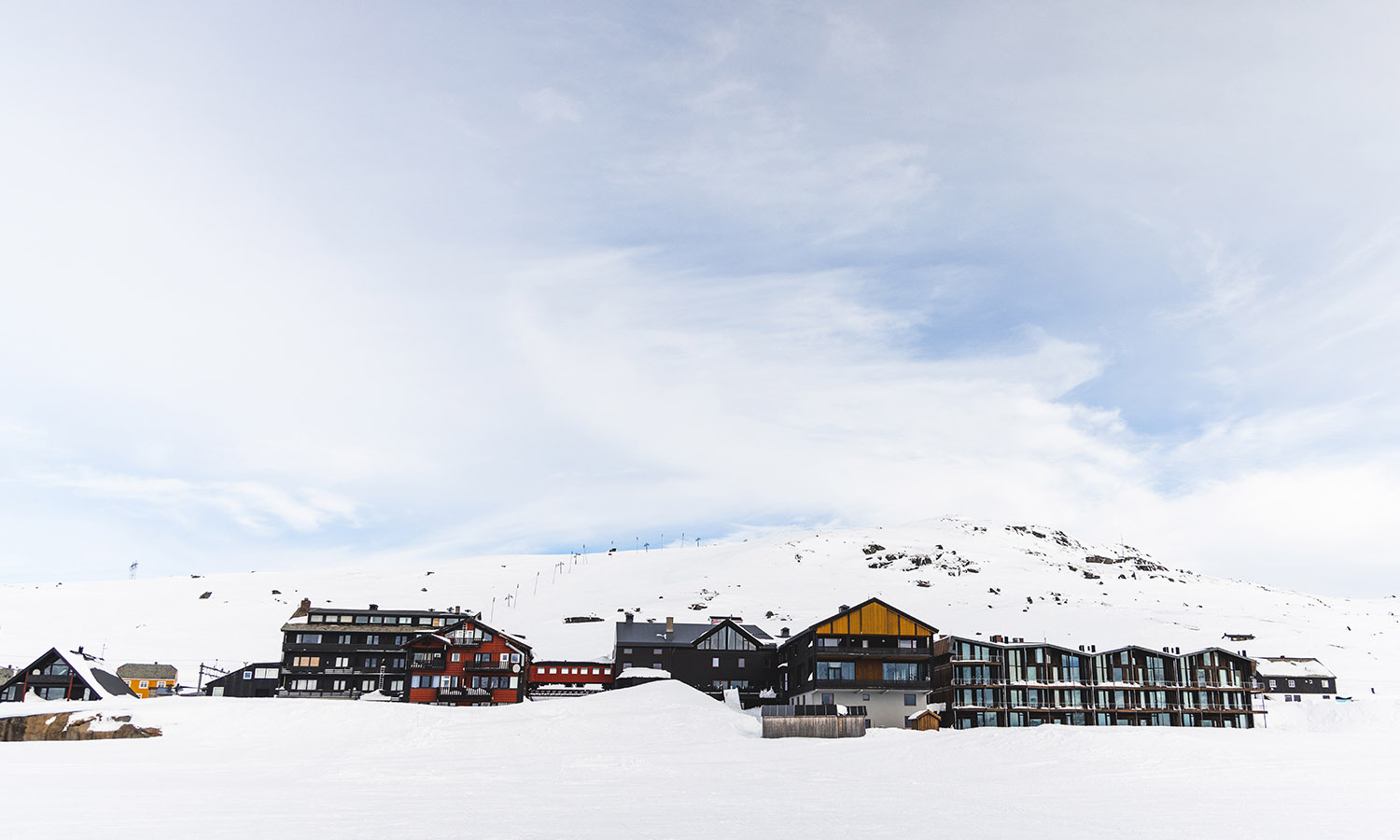
On the flip side, this is surely some of Europe’s most breathtaking scenery. I’m here on a taster of Level One Polar Skills, a trip run by UK-based travel outfitter Shackleton Challenges, whose expeditions acquaint clients with some of the world’s most inhospitable landscapes – and teach them the requisite skills needed to tackle these foreboding terrains. Yesterday, we set out from the historic Hotel Finse 1222, situated just off a lonely railway track that stretches from Oslo into the Norwegian high plateau, to camp out in the shadow of Hardangerjøkulen, the country’s sixth-largest glacier. Today, after a morning’s pulk-free traverse up the glacier, we’re part-skiing, part-stumbling our way off higher ground, absorbing the landscape’s spare beauty.
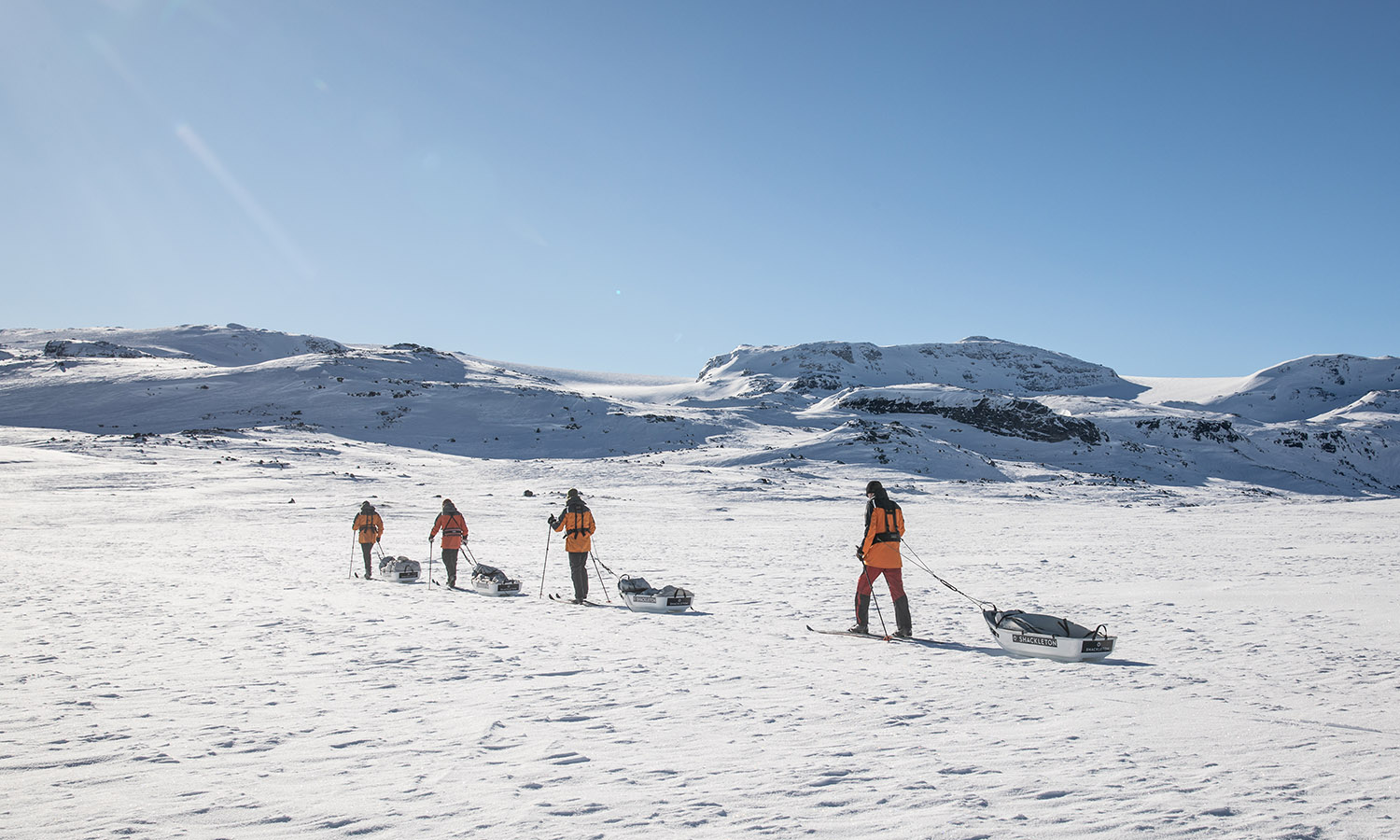
Wars are raging in Europe and the Middle East, the planet is warming, and email inbox zero feels like an impossible dream. But out here, the horizon is calm, snow-sure and ageless – a portal to an era that many of us feel, probably erroneously, was simpler. This was the training ground for historic icons of polar exploration such as Amundsen, celebrated British navy officer Robert Falcon Scott and Norwegian Nobel laureate Fridtjof Nansen, each of whom used the low-slung hamlet of Finse as a base from which to prepare for their expeditions. Now, as then, every step boils down to fine-tuning the skills needed to move across the landscape, to somehow find harmony in a place that, by the laws of evolution, humans have no right to be.
Such environments are catnip to Shackleton Challenges, which launched in 2021 with a similar trip in Finse as an extension of Shackleton, an upmarket adventure-apparel brand cofounded by friends Ian Holdcroft and Martin Brooks in 2016. Today, Shackleton Challenges immerses its clients in polar, desert and mountain environments on a range of excursions designed to be both physically and mentally trying.
“We are for people who want to seek the path of most resistance in life to do great things,” affirms Holdcroft, adding that his brand strives to epitomise the qualities embodied by its namesake, the Anglo-Irish explorer Ernest Shackleton, most famous for guiding his crew to safety after a fight for survival on the Antarctic ice from 1915 to 1916. “We believe that everybody has that within them, that kind of pioneering spirit.”
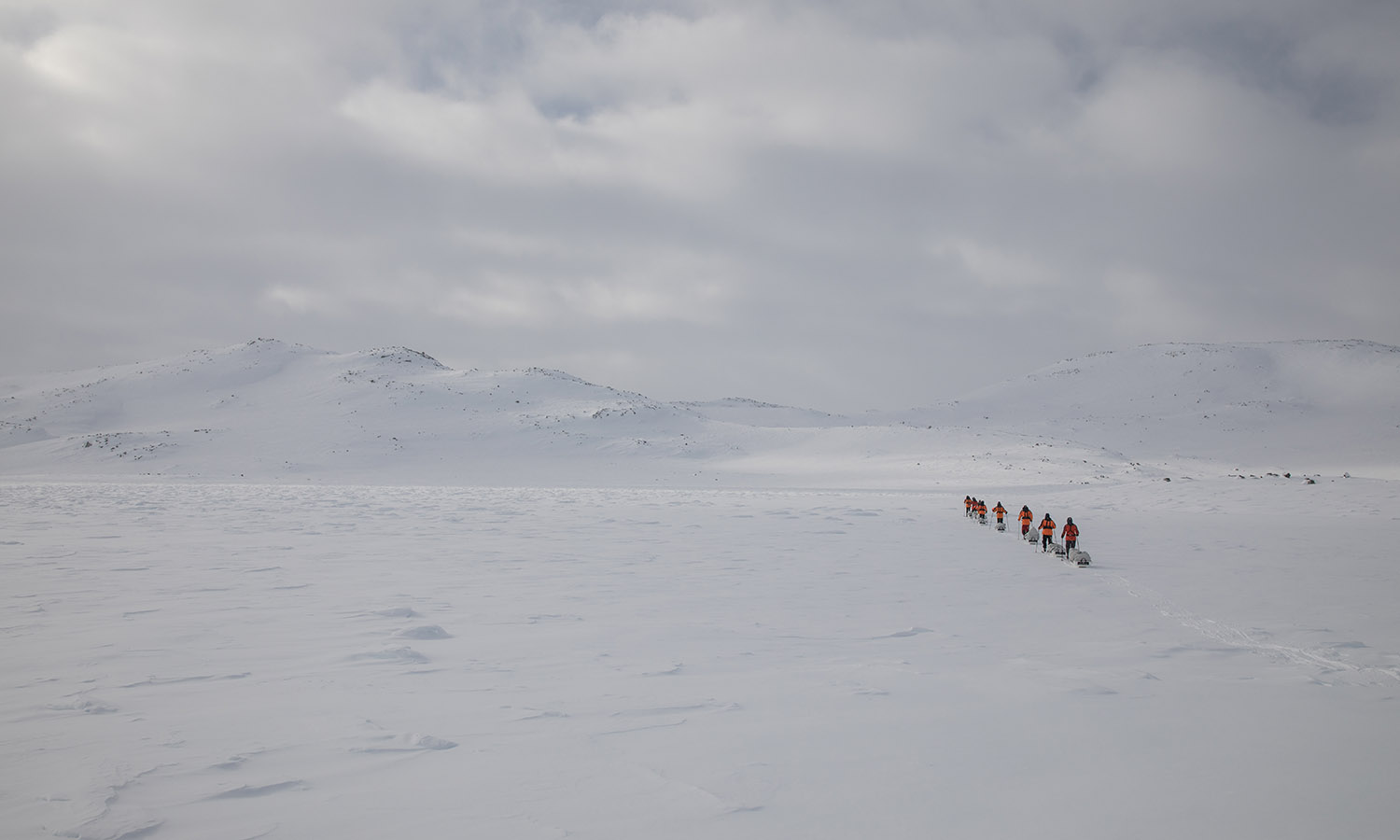
The Shackleton brand may sit within the luxury sector, but joining one of its challenges is no walk in the park. Whether it’s summiting Mont Blanc, abseiling into Omani wadis or learning how to haul survival equipment across the ice, every expedition starts with briefings months ahead of time to prepare travellers for what Holdcroft describes as “the transformative effect of pushing beyond your comfort zone”. Some, like Cat Burford, an English dentist who first joined the Shackleton crew on its 2021 Finse expedition, take what they’ve learned to the next level. In Burford’s case, that meant becoming only the 13th woman to trek solo and unsupported to the South Pole in January this year. For others, a Shackleton trip is a way to escape the ordinary, to find meaning lost in other areas of their life, or simply to prove that they can.
That there’s a growing global market for such experiences came as no surprise to Holdcroft, who points to the past decade’s explosion of interest in ultra-distance running, ocean-rowing challenges, and mountaineering – and especially since 2021. “I think what Covid did was essentially make people reevaluate what they were doing and want to explore a bit more,” he says.
Tori James – who was the first Welsh woman and the youngest British woman (at the time) to summit Everest in 2007, aged 25, and whose new podcast, First Females, celebrates women pioneers of the world’s highest mountain – agrees that adventure travel has a life-affirming power.
“I think, ultimately, the outdoors levels the playing field,” she says. “When you get into these environments, it doesn’t matter who you are, where you’re from, how much money you’ve got; you really start to see who people are and what they’re made of. It comes down to the absolute fundamentals – and that, for me, is what going into these extreme environments is all about: the simplicity of life.”
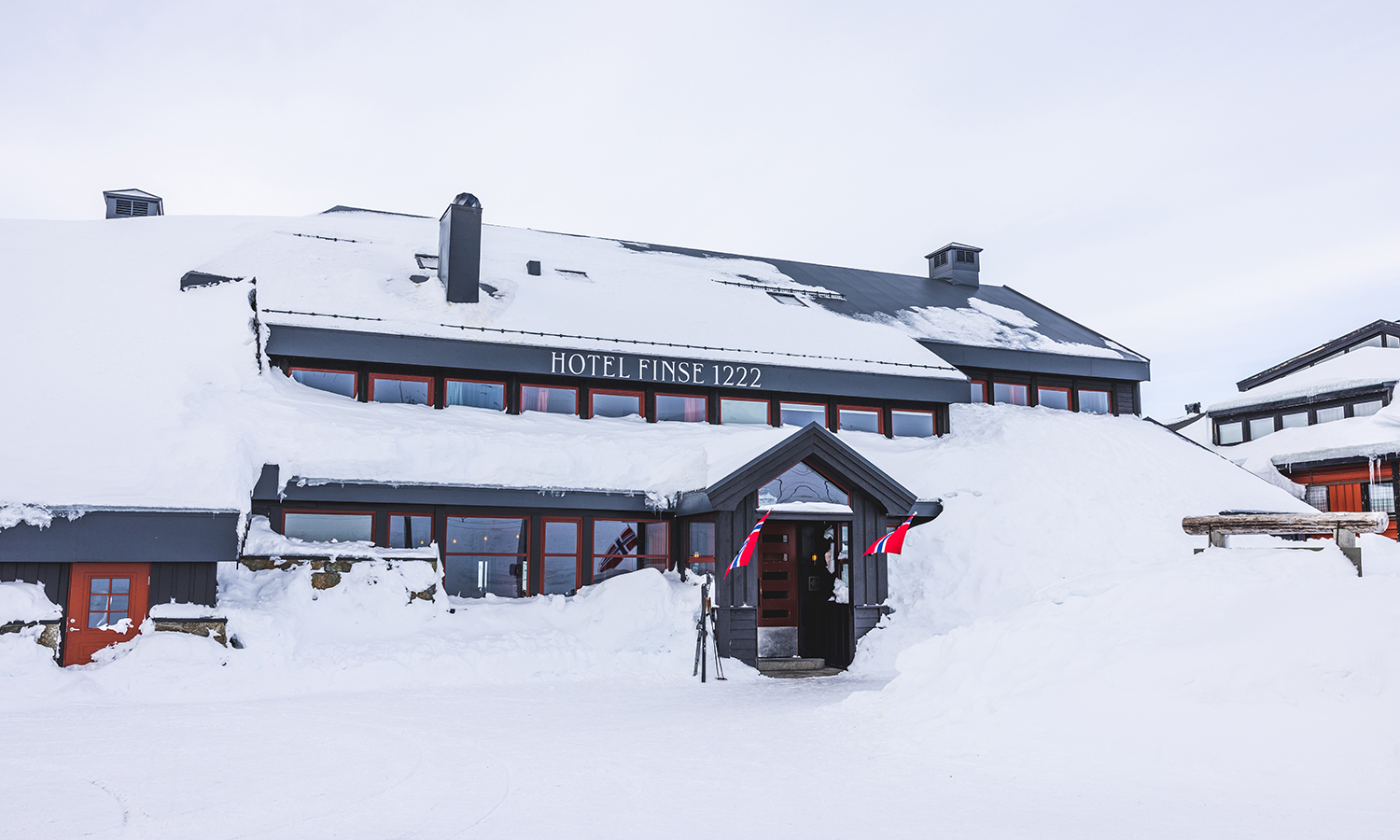
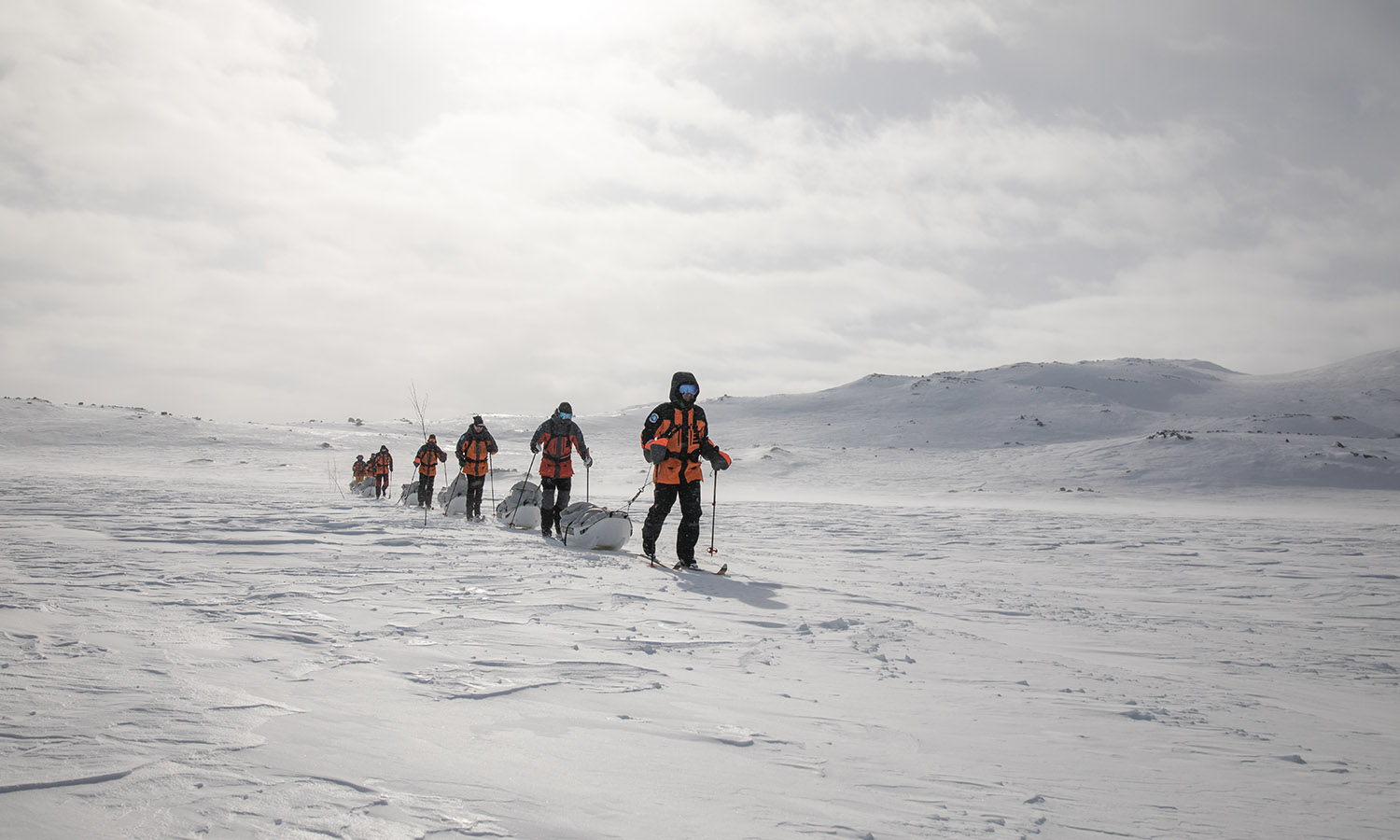
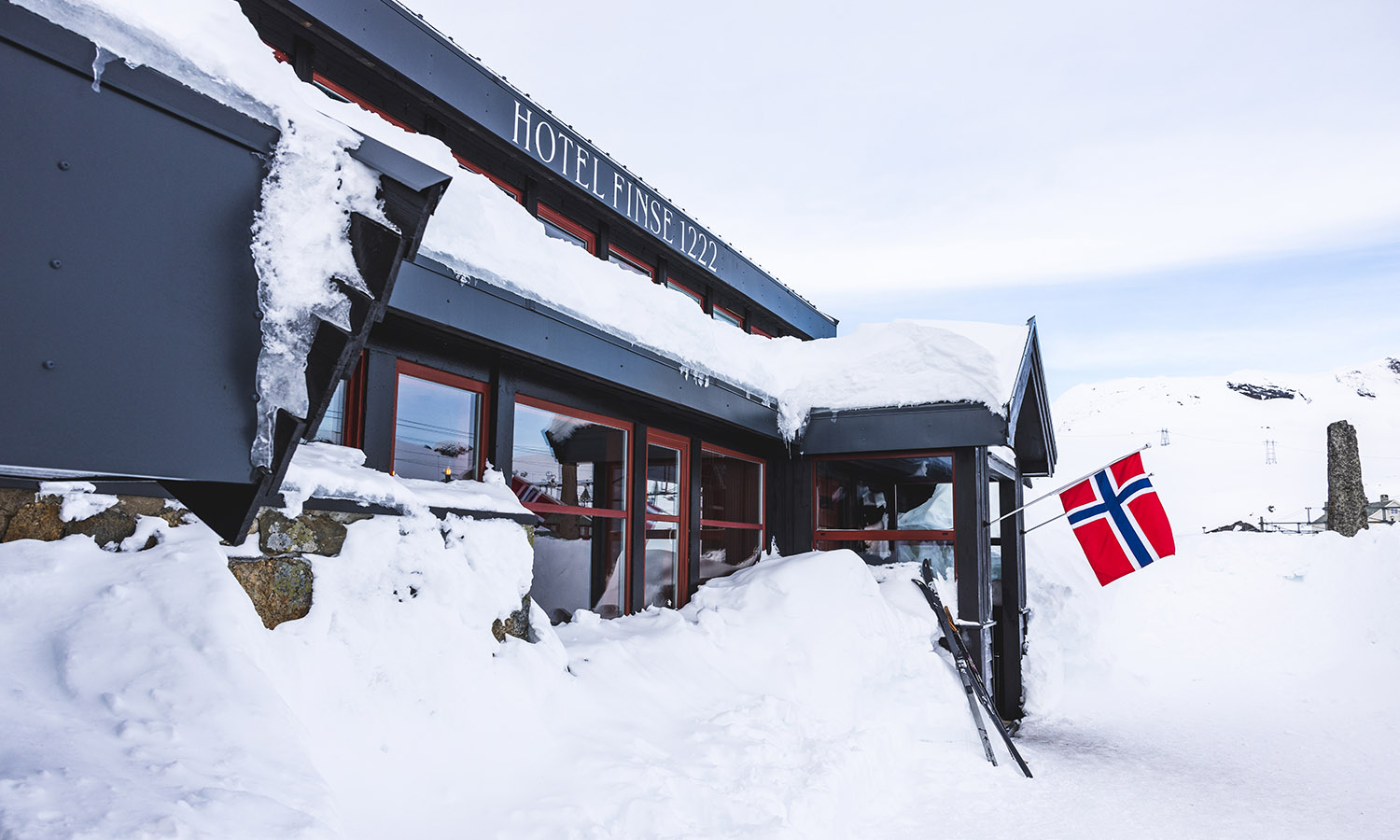
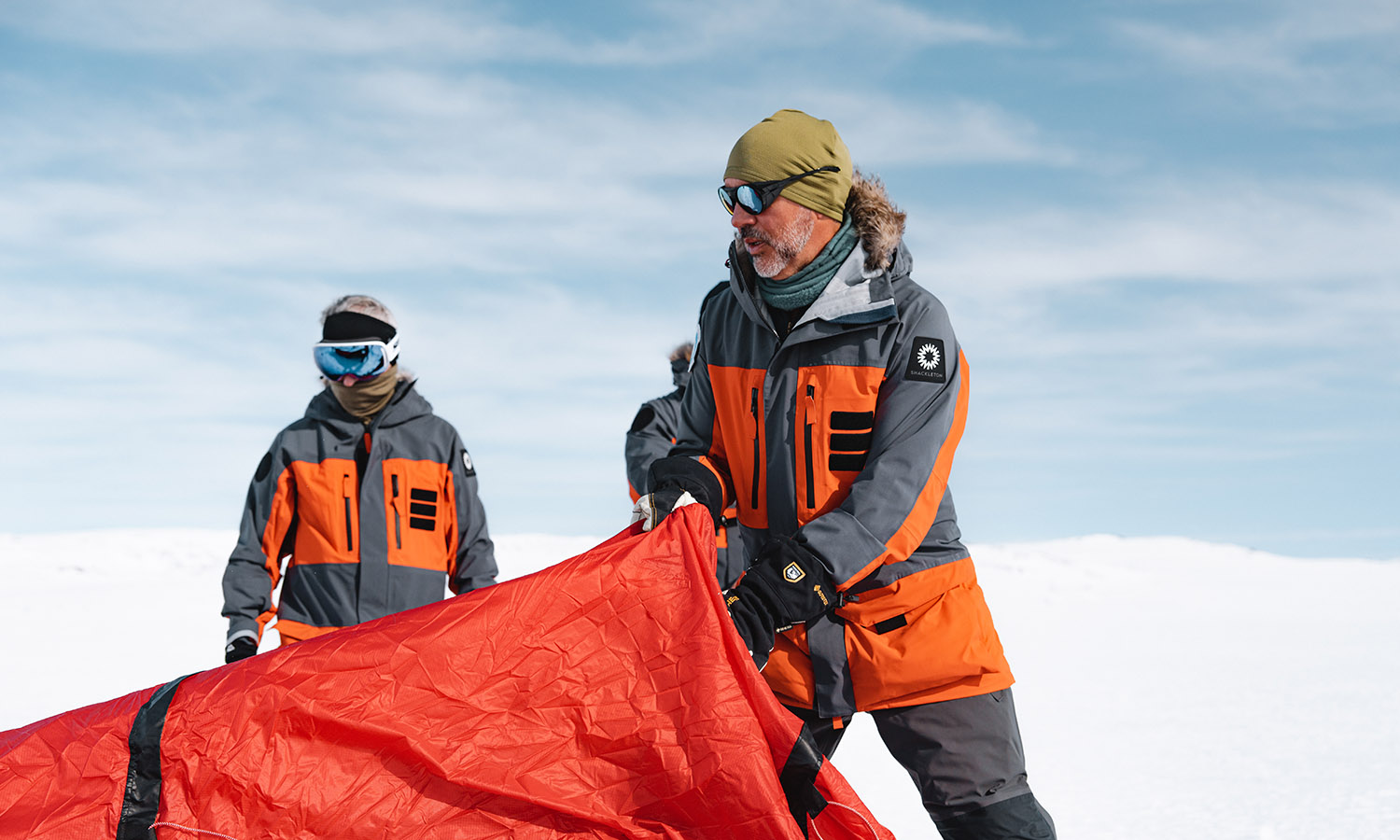
For the small group I’ve been travelling with (all new to ski touring, let alone dragging our supplies along for the ride), the journey has offered an immediate immersion into the culture of Arctic challenges. Led by Louis Rudd MBE, one of the most respected names in British polar travel today and Shackleton’s director of expeditions, our trip started with an induction in the storied Hotel Finse 1222, which opened in 1909 to cater to a new class of explorer during the golden age of travel. Here, elegant floral wallpaper and framed black-and-white photographs of Norway’s great and good – all previous guests – are juxtaposed against a Stormtrooper costume in one of the hallways, Finse having served as the setting for the ice-bound planet of Hoth in The Empire Strikes Back.
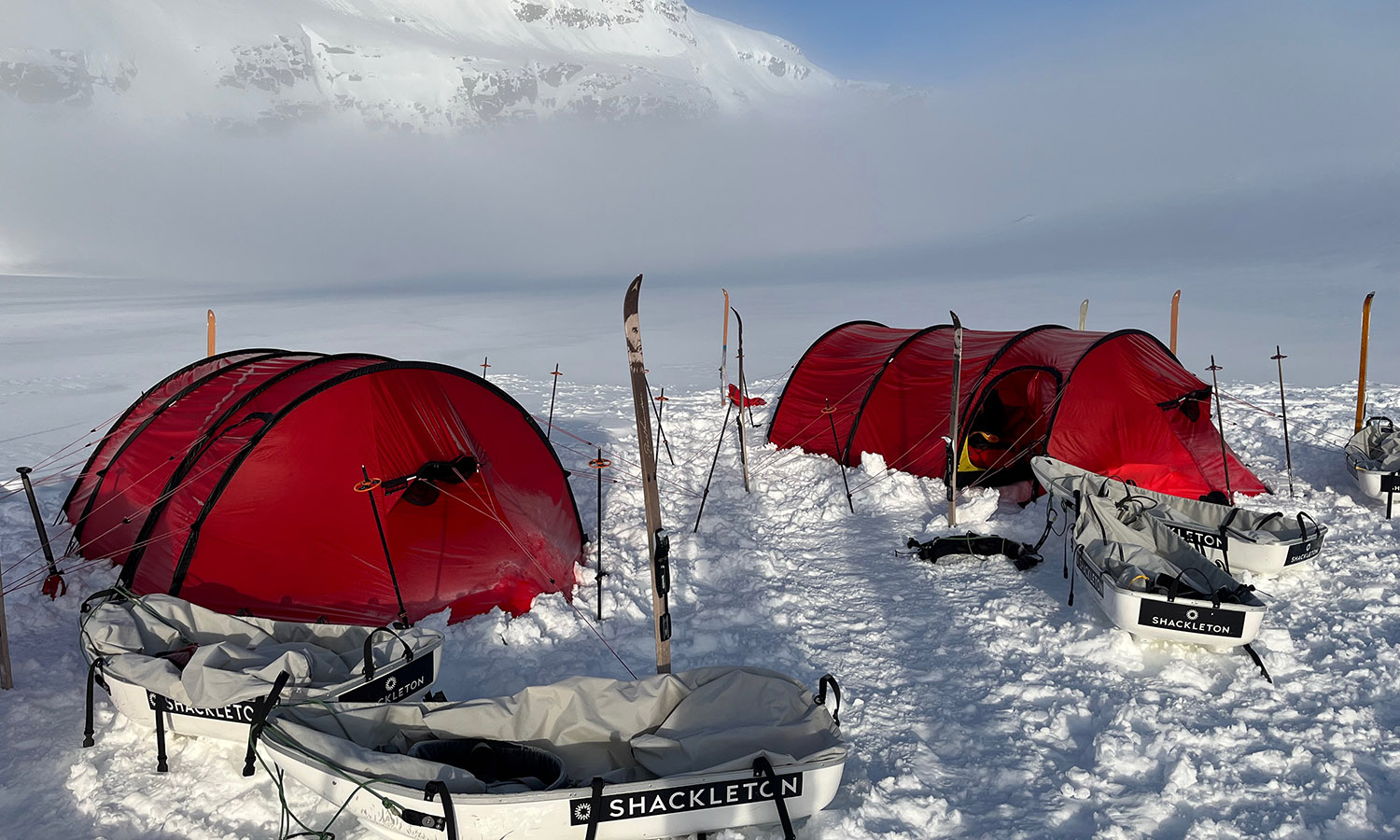
Last night, after leading us some six kilometres out across the snow, Rudd taught us how to safely pitch camp in crevasse-free territory and position our tents to best withstand the elements. Working together, we set up three scarlet tents, dug out the “pit of despair” – a metre-deep trench in the vestibule of each tent, for cold air to sink, legs to dangle and food and other biodegradable waste to be dropped – and learned how to prime stoves in the sub-zero temperatures. Later, as we all piled into a single tent, imbibing nips of Aquavit, Rudd – whose gently spoken demeanour belies his grit as a former Royal Marine Commando and SAS soldier – shared stories from his post-military career as an explorer and expedition lead, including how he became the first British person to ski solo across Antarctica. Outside, a billion stars were blazing as the tents glowed like Chinese lanterns floating on the snow.
I think of James talking about the connection to self that the mere act of moving through the world’s wilder places can impart: “The biggest thing is when you just stand in awe of the natural environment,” she muses. “That feeling of freedom – that you can choose your own path … You know, in life, there are lots of paths that are laid out for us that are enforced. But when you’re in big, wild spaces, you choose your own, and that’s freedom.”
As it turns out, if it means getting to experience moments like this, you can never be knocked down too many times.
Arctic Ahoy!
When it comes to high-octane pursuits in remote, hard-to-reach corners of the planet, adventure travel operators worldwide are raising the bar – especially in the cruise space. Here are three standouts.
For more than 30 years, G Adventures has focused on creating meaningful encounters spanning every continent on earth. Built on curiosity and responsible ethics, the company’s Realm of the Polar Bear itinerary carries this approach deep into the Arctic, sailing around the remote and captivating coastline of Svalbard. The focus is on expert-led adventure at its most elemental, offering a rare look at the polar world in its purest form.
Intrepid Travel speaks to adventurers who value connection and narrative as much as pretty scenery and bucket-list exploits. The operators’ Arctic cruises and tours move through Greenland, Iceland, Norway and beyond, revealing enchanting icebergs and seldom-seen wildlife beneath ethereal skies. Combining small groups and trained locals, each trip feels unique, personal and rooted in this singular time and place – a true once-in-a-lifetime experience.
Oceanwide Expeditions has carved out a distinct niche in Arctic travel, choosing substance over spectacle. The Dutch-founded company’s expedition-style voyages in Svalbard, Greenland and Iceland set sail aboard ice-strengthened ships built for serious polar environments, with daily plans following natural conditions rather than schedules, and allowing for Zodiac landings, wildlife observation and in-depth interpretation by seasoned guides. The result is a focused, grounded way to experience the Arctic, led by conditions, not crowds.
Share with your friends