
So you love video games. You’ve battled the big bosses, you’ve rescued the princesses, and you’ve died (and been resurrected) more times than you can count. But is your retro gaming knowledge as strong as your resolve? There’s only one way to find out…












Whether you crushed the retro gaming quiz or discovered a few gaps in your pixel-powered memory, you’ve just time-travelled through one of the most dynamic pop culture revolutions of the last half-century.
Now let’s zoom out and look at the bigger picture: the wildly entertaining, occasionally chaotic, and always innovative history of video games – from blinking dots on black screens to today’s live-streamed global spectacles.
Insert Coin: The Dawn of Arcade and Home Consoles
The story of retro gaming begins in the early 1970s, when simple electronic experiments became cultural phenomena. In 1972, Pong by Atari turned digital table tennis into an arcade obsession. Minimalist? Absolutely. Revolutionary? Without question.
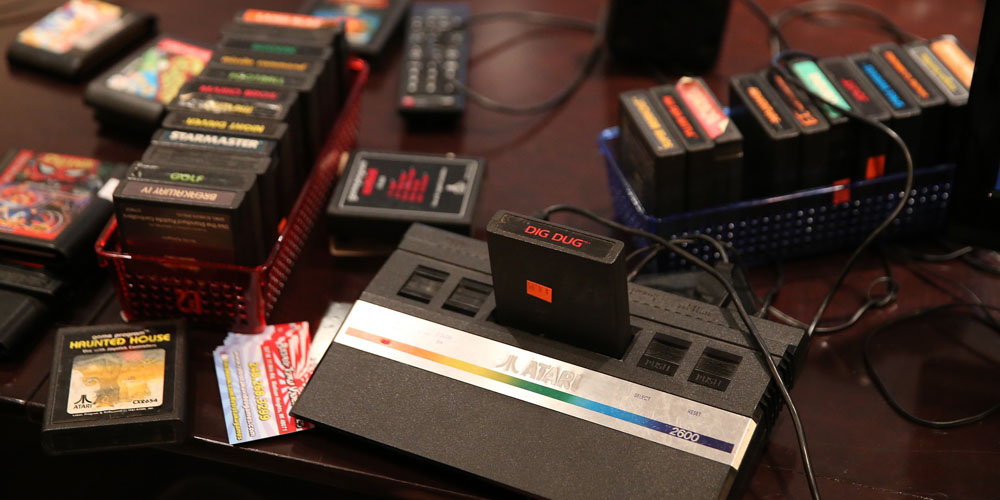
Soon after, home consoles entered the living room. The Magnavox Odyssey introduced families to gaming on their TV sets – no quarters required. Cartridges followed, and with them came an explosion of creativity. The late ’70s and early ’80s gave us pixelated icons like Space Invaders and Pac-Man, the latter becoming such a cultural force that it inspired merchandise, music, and even breakfast cereal.
The 8-Bit Era: When Characters Became Legends
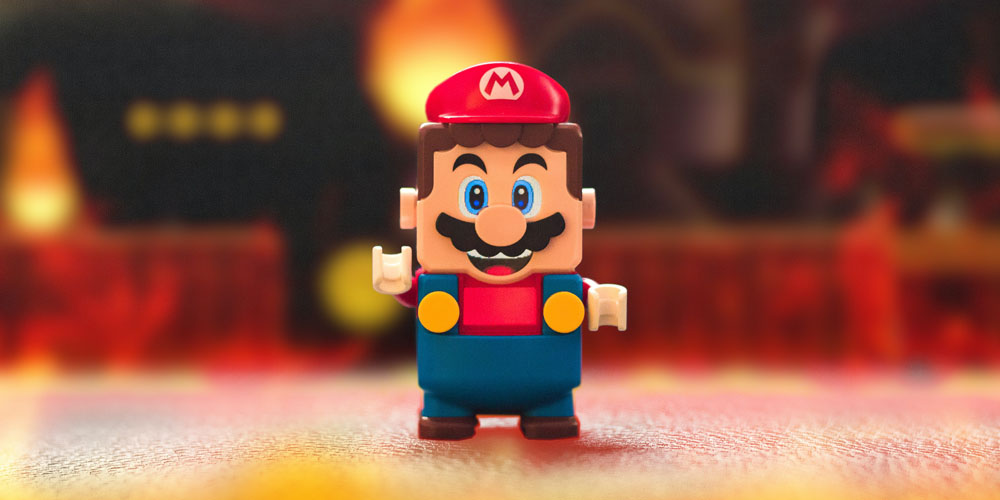
The 1980s saw the rise of the console wars and the birth of gaming mascots who still dominate today. In 1985, Nintendo revived a struggling industry with the Nintendo Entertainment System (NES). And with it came a moustachioed plumber named Mario.
Super Mario Bros. didn’t just redefine platformers – it redefined home entertainment. Soon after, The Legend of Zelda introduced expansive worlds and save files, encouraging exploration rather than just high scores.
Meanwhile, personal computers were nurturing a different style of play. Text adventures evolved into graphic adventures, and games like Prince of Persia showcased cinematic storytelling long before cutscenes became standard. Retro gaming trivia from this era often stumps even seasoned players – especially when it comes to cheat codes, hidden levels, and hardware quirks.
16-Bit Rivalries and the Rise of Sonic Speed
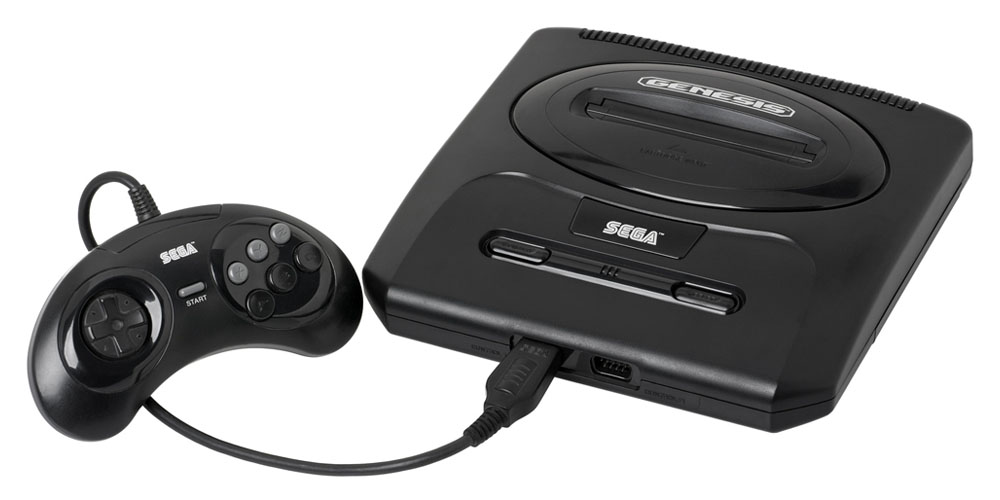
If you remember the phrase “blast processing,” you lived through the 16-bit wars. In the early 1990s, Sega challenged Nintendo’s dominance with the Genesis console and its blue-speed mascot, Sonic. Sonic the Hedgehog brought attitude and velocity to living rooms, while Nintendo countered with richer worlds in Super Mario World.
This was the era when sleepovers revolved around split-screen battles and button-mashing tournaments. Multiplayer gaming meant sitting shoulder-to-shoulder – no headsets required.
3D Graphics and the Polygon Revolution
The mid-1990s ushered in a dramatic visual shift. With the arrival of the Sony PlayStation and the Nintendo 64, 3D gaming became the new frontier. Titles like Super Mario 64 reinvented movement and camera control, while Final Fantasy VII proved that video games could deliver cinematic, emotionally complex storytelling. This period is often considered the golden age referenced in many a retro gaming quiz – when genres crystallised and franchises found their forever identities.
Handheld Heroes: Gaming on the Go
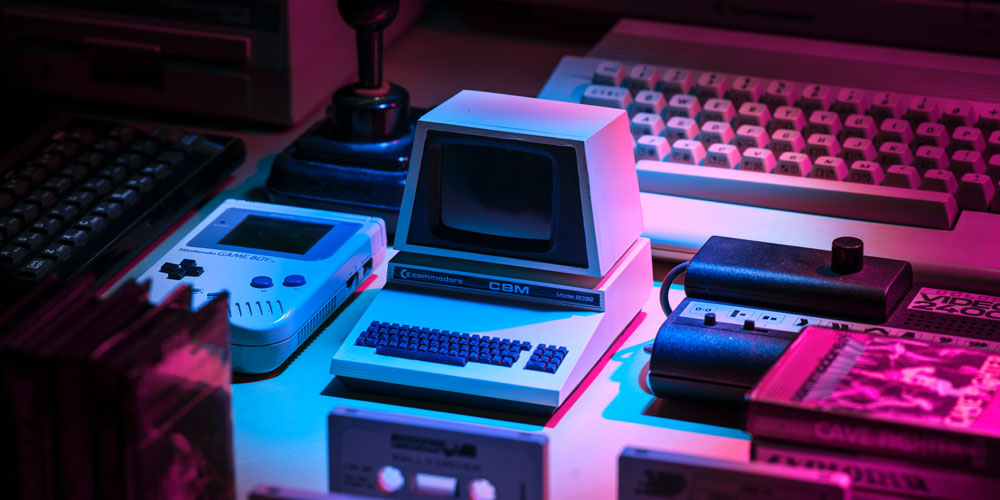
While consoles battled it out in living rooms, handheld devices were quietly changing habits everywhere else. In 1989, Nintendo launched the Game Boy, and suddenly gaming was portable. Bundled with Tetris, the Game Boy turned commutes, road trips, and school recess into puzzle-solving marathons. Later, the arrival of Pokémon Red and Blue transformed playground culture into full-blown trading empires. Handheld gaming proved that great gameplay beats flashy graphics – a lesson that still resonates in today’s mobile-first world.
Online Multiplayer and the Streaming Era
Fast-forward to the 2000s, and broadband internet reshaped everything. Consoles connected to global servers, and multiplayer gaming evolved from couch competition to worldwide communities. Massive titles like World of Warcraft demonstrated the power of persistent online worlds. Competitive gaming matured into e-sports, filling arenas with fans watching digital athletes compete.
Today, platforms like Twitch and YouTube have turned gameplay into entertainment in its own right. Watching others play, once unthinkable, is now a billion-dollar industry. Streamers build global communities, and retro gaming has found a second life through nostalgia-fuelled broadcasts and speedrunning marathons.
What began as simple experiments with bouncing squares has evolved into one of the world’s most influential creative industries. Video games now blend music, film, art, storytelling, and social interaction into immersive experiences that rival any other medium. And yet, for all the ray tracing and photorealistic graphics, the spirit of retro gaming endures. Whether it’s revisiting an 8-bit classic, collecting vintage cartridges, or testing your knowledge in a retro video game trivia quiz, the past continues to shape the future.
So how high is your Retro Video Game IQ? However you scored on this quiz, you’re part of a living history – one that’s still loading its next level.
Share with your friends